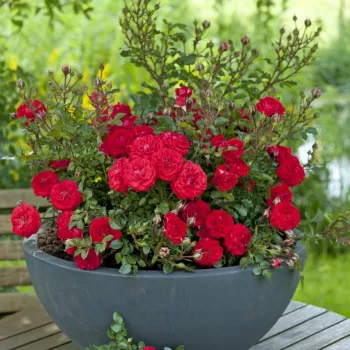
Zwergenfee 09® – compact raspberry-red dwarf mini rose for easy front gardens
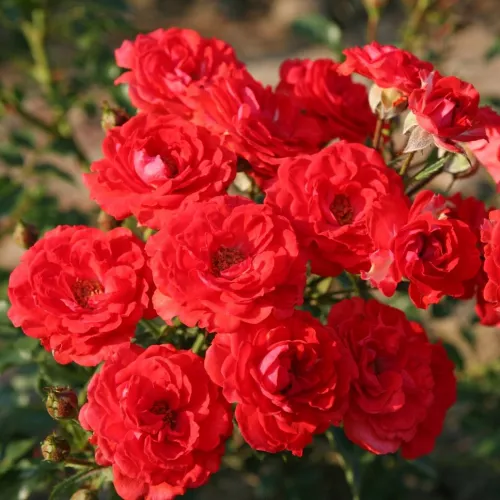
This compact, raspberry-red Lilliputs® rose brings reliable colour and neat structure to small British gardens with very little effort. Its naturally bushy habit and dense, glossy foliage keep planting schemes looking tidy in modest beds, narrow borders or around patios, while the semi-double, cluster-flowered blooms repeat through the season to give long-lasting display. Bred by Kordes with strong garden health, it is ADR-certified and well suited to urban conditions where space is tight yet ornament is important. Ideal for low hedging, edging and containers from about 40–50 litres, it copes well with typical garden weather, even where frequent rain and coastal breezes are a factor. As an own-root rose, it settles in steadily for a long, dependable lifespan, with roots establishing first, then bush growth strengthening, and by the third year offering its full ornamental impact.
Usage options
| Target area |
Reasoning |
| Small front-garden bed by the path |
The dwarf, upright habit and 35–45 cm height make this rose ideal for keeping narrow front beds smart without blocking windows or paths. Regular raspberry-red clusters provide cheerful colour with minimal deadheading, giving an easy, reliable focal line for beginners. |
| Edging along a mixed cottage border |
Planted 25–30 cm apart, Zwergenfee 09® forms a low, coherent edge that frames perennials and taller shrubs without competing for height. The neat structure and small leaves give a clear outline that stays orderly through the season, suiting those who like a tidy cottage look for the family. |
| Patio container or large pot (40–50 litres) |
Its compact size and bushy form make it perfect for large containers, where roots have room to develop without the plant becoming leggy. The repeat-flowering clusters provide weeks of colour on terraces or balconies with only basic watering and feeding, ideal for busy urbanites. |
| Low-maintenance, long-lived rose feature |
As an own-root plant, this variety gradually builds a stable, well-balanced shrub that regenerates from its own base rather than a graft, supporting long-term structure with simple pruning. With modest care it remains decorative and resilient for many years, reassuring cautious newcomers. |
| Season-long colour in small spaces |
The remontant flowering habit ensures a generous second flush after the first main display, so even a tiny bed offers colour for much of the season. Compact, cupped blooms appear in clusters, keeping the plant visually active without large gaps, well suited to small-space gardeners. |
| Family-friendly, healthy planting near seating areas |
ADR certification and good resistance to powdery mildew and rust help keep foliage attractive without intensive spraying, an advantage around terraces or children’s play areas. Moderate black-spot tolerance still benefits from basic hygiene, fitting realistic care levels for busy households. |
| Urban front gardens and street-facing beds |
This rose tolerates urban conditions well and maintains consistent quality in restricted planting pockets by walls, drives or pavements. Its dense foliage, moderate thorniness and self-cleaning habit help it look cared-for between light maintenance visits, suiting style-conscious homeowners. |
| Exposed or coastal-style family plots |
The low, bushy structure withstands ordinary wind better than taller, top-heavy roses, retaining its shape and floral display close to the ground. Combined with its general resilience and moderate water needs, it copes reliably where regular breezes and changeable weather test inexperienced gardeners. |
Styling ideas
- Cottage-edge ribbon – line a front path with Zwergenfee 09® and intersperse soft grasses or low campanulas to create a relaxed yet tidy cottage border – ideal for lovers of classic front-garden charm.
- Patio focal pot – plant three roses in a 40–50 litre container with trailing thyme or bacopa to spill over the rim, giving a compact, long-flowering feature – perfect for busy balcony and terrace users.
- Urban colour block – create a simple block of 9–15 plants in a small forecourt bed, using their uniform height and shape to give a clean, modern look – suited to design-conscious town-house fronts.
- Family seating border – edge a seating area with a low row of roses backed by taller perennials, keeping colour at eye level while foliage stays healthy and manageable – good for family patios and play spaces.
- Mini hedge marker – use closely spaced plants as a low hedge to mark drive edges or divide garden zones, offering structure without heavy pruning – useful for homeowners wanting gentle, unobtrusive boundaries.
Technical cultivar profile
| Parameter |
Data |
| Name and registration |
Miniature dwarf rose, registered as KORzweenu, marketed as Zwergenfee 09® within the Lilliputs® collection; recognised by the American Rose Society under the same exhibition name. |
| Origin and breeding |
Bred by W. Kordes & Sons in Germany and introduced in 2009, this variety reflects modern breeding aims for compact habit, good garden performance and decorative value in small spaces. |
| Awards and recognition |
ADR-certified with international trial success, including Bronze in Tokyo 2009, Best Patio Rose Belfast 2012, Gold in Glasgow 2013 and Silver at the Australian National Rose Trials 2013. |
| Growth and structural characteristics |
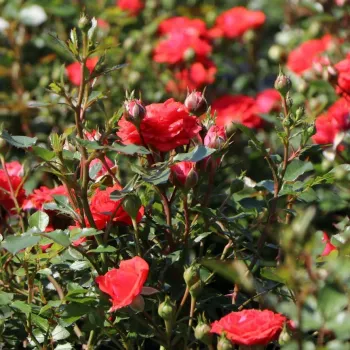
Compact, bushy, upright miniature shrub, typically 35–45 cm tall and 30–40 cm wide, with dense, glossy dark green foliage and moderate prickliness, holding its shape well in beds and containers. |
| Flower morphology |
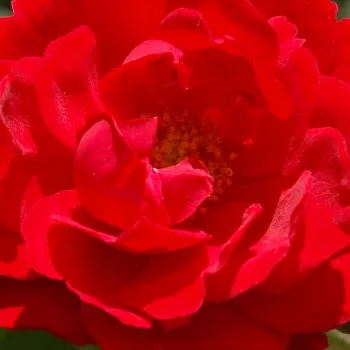
Semi-double, cupped flowers with 13–25 petals, produced in clusters of small blooms about 0.5–1.5 inches, repeating well through the season for continuous decorative effect on a modest-sized plant. |
| Colour data and phenology |
Bright raspberry-red blooms with an orange-red undertone; outer petals RHS Red 45B, inner 45C, lightening gradually to softer rose-red tones with paler edges as each flower opens and matures. |
| Fragrance and aroma |
No noticeable scent, but the semi-double form displays accessible stamens that moderately attract pollinators, offering visual appeal and ecological interest even in small ornamental plantings. |
| Hip characteristics |
Produces moderate numbers of small, spherical orange-red hips, 7–9 mm across, adding a discreet late-season detail when spent flowers are left to develop rather than being routinely removed. |
| Resistance and winter hardiness |
Hardy to around –26 to –23 °C (RHS H7; USDA 5b; Swedish Zone 4), with good resistance to powdery mildew and rust and moderate black-spot tolerance under typical garden conditions. |
| Horticultural recommendations |
Best in full sun with well-drained soil; water during prolonged dry spells. Space 25–50 cm depending on use, in beds or containers, maintaining shape with light annual pruning and optional deadheading. |
Zwergenfee 09® offers compact structure, season-long raspberry-red flowers and resilient health in an own-root form that matures into a long-lived, easy-care feature, making it a thoughtful choice for smaller British gardens.