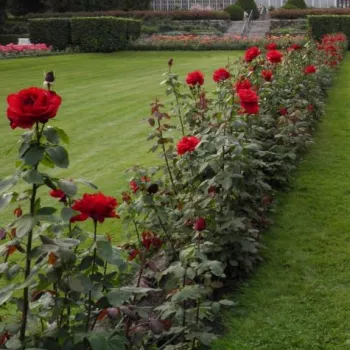
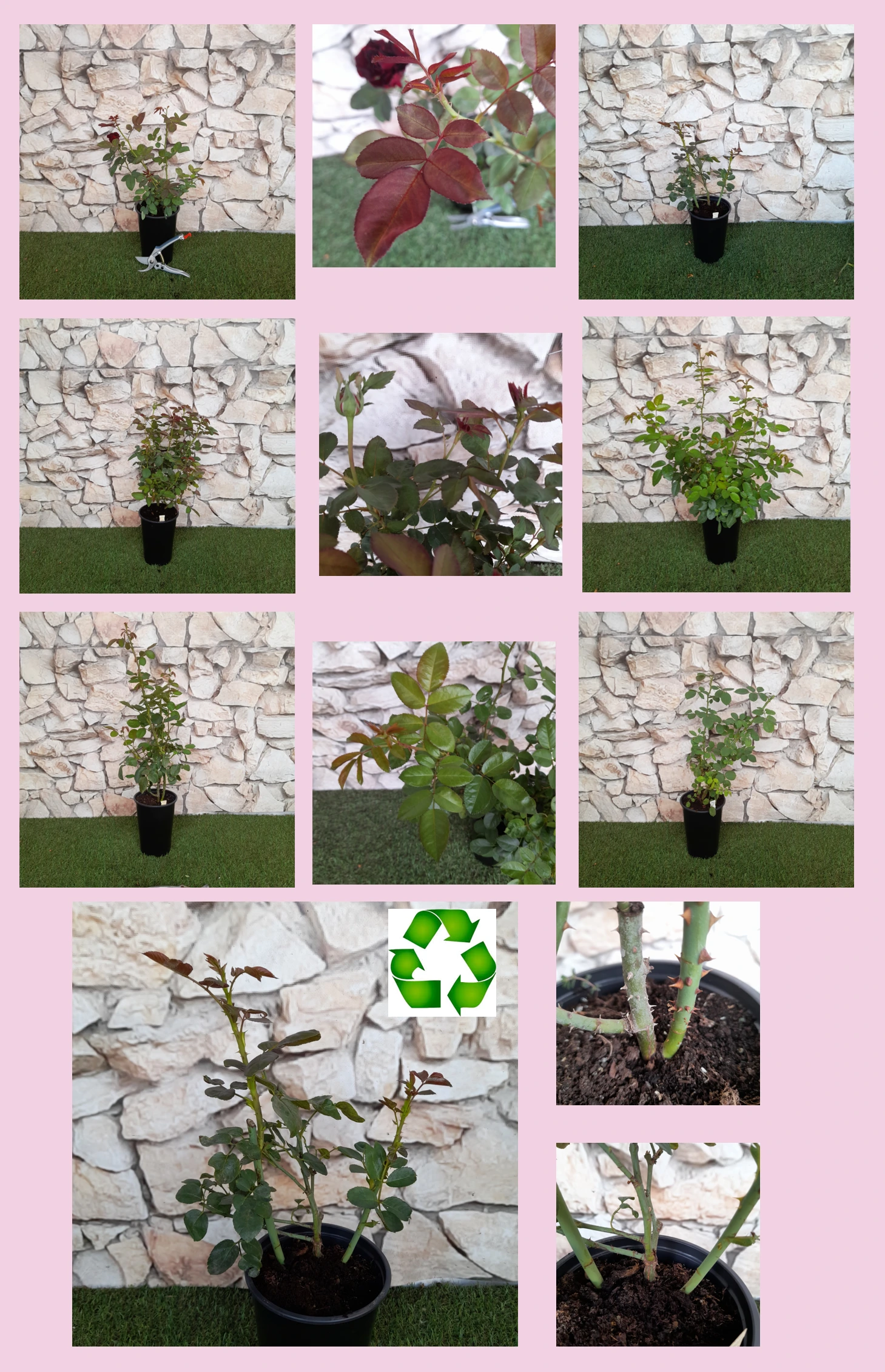
Zora – hybrid tea rose
Effortless planting, reliable growth and enduring colour define Zora, a compact garden hybrid tea bred for neat, repeat-flowering performance in everyday family plots. Its bushy, mid‑green foliage and scarlet high‑centred blooms keep front borders looking smart without demanding specialist care. This own‑root shrub settles securely even in exposed spots where strong winds and rain call for a rose that anchors and copes steadily over time. In the first year it concentrates on roots, the second on framework and shoots, and by the third season it shows its full ornamental value as a well‑furnished, medium‑height hedge or accent. Low maintenance, notable disease resistance and a gently perfumed presence make Zora an easy, dependable choice for busy households and beginners who still want a classic red rose look.
Usage options
| Target area | Reasoning |
|---|
| Front garden focal bush |
Zora’s compact 70–95 cm height and bushy habit create a tidy, upright presence that suits small front gardens where every plant must earn its place. Strong, repeat-flowering red blooms give reliable impact from a single specimen without complex care, ideal for a low‑maintenance, welcoming entrance for the style‑conscious beginner. |
| Short informal hedge |
Planted at 40–50 cm intervals, Zora forms a coherent, moderately dense line that frames paths, drives or property boundaries without growing overly tall. Good disease resistance helps keep foliage presentable along the whole run, with the own‑root structure supporting long‑term stability and regeneration in a family setting for the practical homeowner. |
| Small rose bed or island planting |
Using 3–5 plants in a cluster, Zora creates a compact drift of medium‑deep red colour that reads clearly even from the pavement. Its repeat flowering and modest size suit small island beds in lawns or gravel, while low care needs reduce the workload for those juggling work and home life, fitting the needs of the busy urban gardener. |
| Mixed cottage-style border |
The rich scarlet‑red blooms pair well with soft pinks, purples and silvers in cottage‑style mixes, while the bushy framework threads neatly between perennials. Disease resistance and a measured, not rampant, growth habit help maintain a balanced picture season after season for the aesthetics‑focused amateur. |
| Near-house ornamental planting |
Zora’s mild, discreet fragrance and smart flower form lend a refined touch to beds close to windows, patios and seating areas without overpowering the space. The own‑root form develops a steady, long‑lived shrub that copes with typical around‑the‑house planting conditions and modest care from the time‑pressed homeowner. |
| Exposed or wind-prone sites |
Once established, Zora’s bushy, medium‑height framework and own‑root anchoring help it hold steady in gardens open to coastal or hillside winds, where sturdy growth and resilience matter more than show‑bench perfection. This gives confidence to plant roses even in less sheltered plots for the weather‑aware gardener. |
| Low‑input family garden rose area |
With low maintenance needs and good resistance to black spot, mildew and rust, Zora fits rose areas where routine tasks must stay simple: basic pruning, watering and occasional feeding. Reliable remontant flowering keeps the bed attractive without constant spraying or deadheading, meeting the expectations of the relaxed family gardener. |
| Large container on patio or drive |
In a 40–50 litre or larger container with good drainage, Zora provides a compact, upright shrub that brings formal colour to drives, terraces or paved front gardens. Its neat scale and repeat blooms offer structure without dominating the space, particularly useful where soil is poor or space limited for the small‑space gardener. |
Styling ideas
- Classic entrance pair – Flank a front door or gate with two large containers of Zora for formal symmetry and dependable red colour – ideal for homeowners wanting a smart, traditional welcome.
- Cottage drift – Group 3–5 plants in a loose curve, underplant with catmint and hardy geraniums to soften edges while Zora provides structured red accents – suited to cottage‑style enthusiasts.
- Family hedge strip – Run a short Zora hedge along a drive or front boundary, backed with evergreen box or yew for year‑round structure and minimal maintenance – good for busy family gardens.
- Mixed sunset border – Combine Zora with warm‑toned perennials like Verbena hastata ‘Pink Spires’ and Physostegia ‘Rosea’ for a glowing summer scheme – perfect for colour‑driven gardeners.
- Compact lawn island – Create a small circular bed of Zora in turf, edged with low lavender or ice plant for easy mowing and clear structure – helpful for beginners wanting a simple focal point.
Technical cultivar profile
| Parameter | Data |
|---|
| Name and registration |
Zora is a hybrid tea rose marketed as a shrub rose; current trade name Zora Hybrid tea rose BOZvaz012, verified for authenticity and supplied as a pharmaROSA ORIGINAL own‑root plant. |
| Origin and breeding |
Parentage and breeding institution are not documented; discovered and selected by pharmaROSA, introduced to the market in 2018 through PharmaRosa Ltd. as a garden shrub‑type hybrid tea. |
| Growth and structural characteristics |
Forms a bushy, medium‑height shrub 70–95 cm tall and 60–80 cm wide, with moderately dense, matt mid‑green foliage and moderate thorniness, suitable for small beds, hedging and container use. |
| Flower morphology |
Large, double flowers with 26–39 petals, high‑centred, pointed buds in classic hybrid tea form, borne mostly solitary; remontant, with a strong second flush and good repeat over the season. |
| Colour data and phenology |
Blooms open bright scarlet red, deepening to a uniform medium‑deep red; colour later softens with a slight raspberry‑crimson tinge, with darker velvety outer petal margins before eventual fading. |
| Fragrance and aroma |
Displays a mild, discreet fragrance of soft character, noticeable at close range without dominating nearby sitting areas; scent level is restrained compared with strongly perfumed traditional hybrid teas. |
| Hip characteristics |
Occasionally sets small, rounded rose hips around 10–15 mm in diameter; hips are not a dominant ornamental feature but may add light seasonal interest late in the year when present. |
| Resistance and winter hardiness |
Shows good resistance to key rose diseases, including black spot, powdery mildew and rust, with low intervention needs; hardy to approximately −21 to −18 °C (RHS H7, USDA zone 6b, Swedish zone 3). |
| Horticultural recommendations |
Suited to low‑maintenance beds, hedges and containers; plant at 40–75 cm spacing depending on use, provide reasonable moisture and feeding, and prune flexibly to maintain shape and flowering. |
Zora brings classic red hybrid tea blooms, strong disease resistance and durable own-root growth to small family gardens, making it a reassuring, long-term choice for those seeking reliable colour with modest effort.