VIOLACEA – deep violet historic Gallica rose
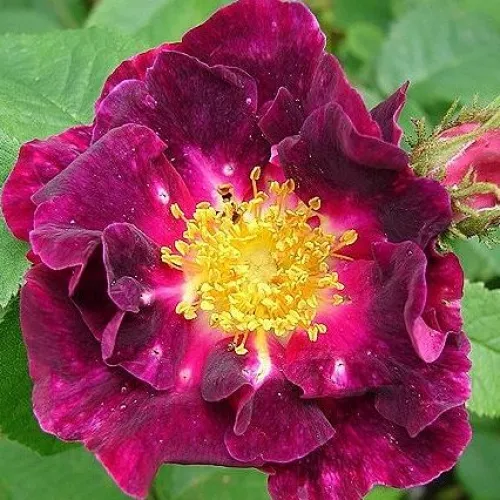
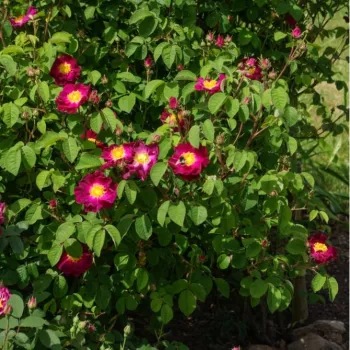
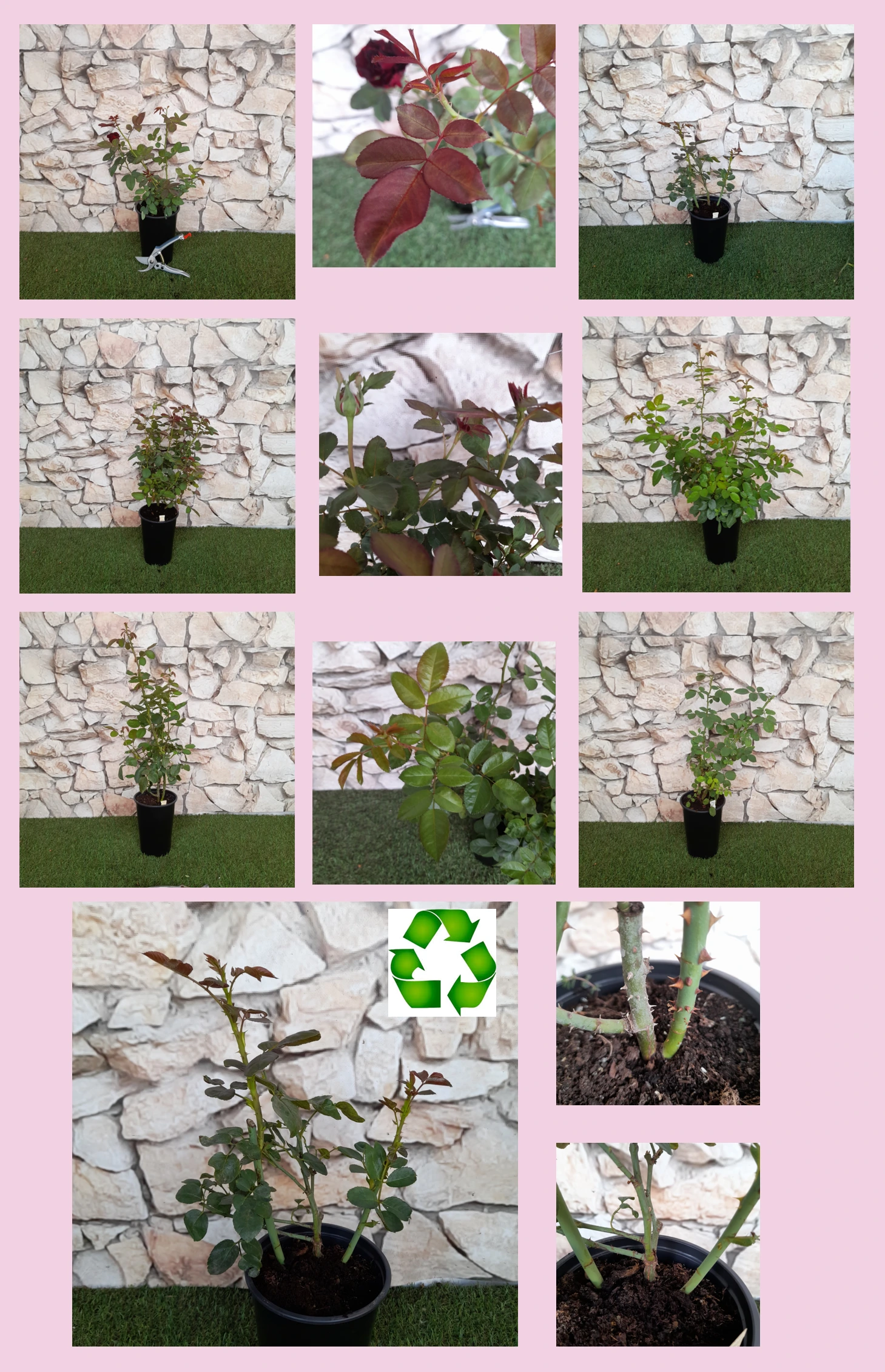
With its velvety crimson-purple petals and subtly berry-fruity perfume, VIOLACEA brings heritage character to the small family garden in a form that is surprisingly robust and straightforward to look after. This once-flowering Gallica creates a generous wave of early-summer colour, then settles into a handsome green presence that needs only moderate routine care. Its upright, bushy habit fits beautifully into front gardens and narrow borders, while the sparse prickles make everyday maintenance and child-friendly access easier. As an own-root plant it matures steadily, supporting a long, reliable lifespan with good regeneration after pruning. The shrub copes well with typical British conditions, even where cool, damp weather and heavier soils demand better anchoring and drainage planning. Over time you can watch it move from establishing roots, through building strong shoots, to delivering its full ornamental impact as a settled feature in the garden.
Usage options
| Target area | Reasoning |
|---|
| Front garden focal shrub |
Its upright habit and medium height create a clear focal point without overwhelming a small front garden, while the once-a-year flush of rich violet blooms offers a memorable cottage-style display for busy homeowners who prefer predictable, low-fuss colour – ideal for the aesthetic-focused beginner. |
| Small bed or mixed border |
Moderately dense, matte green foliage forms a tidy backdrop for perennials and low groundcovers, and the non-remontant flowering means you can plan succession with later-blooming companions, keeping the border attractive through summer with minimal ongoing input – suited to time-pressed families. |
| Informal cottage-style grouping (1–3 plants) |
Planting a small group allows the velvety crimson-purple flowers to read as a single, romantic mass, echoing classic cottage gardens while remaining easy to manage at home-garden scale, with only periodic pruning required once the framework is established – reassuring for style-conscious newcomers. |
| Specimen in lawn or gravel |
Used as a stand-alone shrub at the recommended spacing, it develops a balanced, self-contained outline that needs only light annual shaping, providing a long-lived historic accent that fits simply into everyday mowing or gravel maintenance routines – appealing to practically minded owners. |
| Partially shaded side garden |
Its tolerance of partial shade makes it valuable along side paths and north-east aspects where many roses struggle, giving reliable early-summer bloom and stable greenery without demanding constant attention or specialist care – particularly supportive for constrained-plot gardeners. |
| Low-input, breathing garden border |
Medium disease resistance and modest feeding needs suit gardens where you wish to reduce spraying and chemical interventions, allowing a more relaxed, nature-friendly style while still enjoying a clean, decorative shrub through most of the season – attractive for environmentally aware households. |
| Traditional hedge or loose screen |
At 120–190 cm tall with good winter hardiness, it forms a loose, seasonally dramatic hedge that copes with cool, wet UK weather and, with thoughtful soil preparation, manages heavier ground by rooting securely and standing firm in winter winds – helpful for exposed-plot buyers. |
| Large container near house or terrace |
In a well-drained container of at least 40–50 litres it becomes a long-lived feature close to windows or seating, where you can appreciate the berry-fruity fragrance and dramatic flower colour, with watering and light pruning as the main tasks – convenient for small-space residents. |
Styling ideas
- Cottage – Combine with Coreopsis and rock cress for a soft yellow and lilac mix that extends interest beyond its main flowering – for lovers of romantic cottage front gardens.
- Heritage – Use as a single specimen framed by clipped box or low evergreen honeysuckle to highlight its historic character – for those who value period style and structure.
- Contrast – Pair the deep violet blooms with pale foxgloves and white campanulas to emphasise its rich colour in mixed borders – for design-conscious home gardeners.
- Naturalistic – Plant in a loose group and underplant with airy grasses to create an informal “breathing garden” with low chemical input – for environmentally aware urban owners.
- Courtyard – Grow in a large terracotta pot by a seating area where fragrance and flower detail can be enjoyed up close – for balcony and small-terrace residents.
Technical cultivar profile
| Parameter | Data |
|---|
| Name and registration |
Historical Gallica rose marketed as Violacea – deep violet historic Gallica rose; also known in exhibitions as La Belle Sultane; unregistered cultivar used mainly in heritage collections. |
| Origin and breeding |
Old Gallica type originating in the Netherlands around 1795; parentage and breeder unknown; introduced to the UK market by Trevor White Roses and maintained within heritage rose collections. |
| Growth and structural characteristics |
Upright shrub 120–190 cm high and 95–150 cm wide, moderately dense, matte medium-green foliage, sparsely thorned stems; suited to hedging, specimens and mixed plantings in family gardens. |
| Flower morphology |
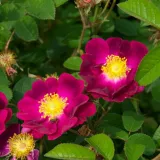
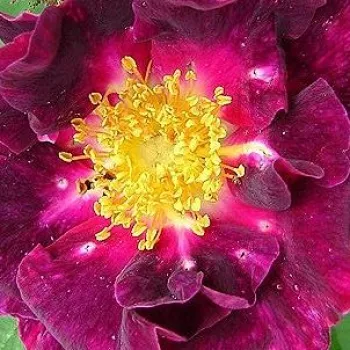
Single to lightly double, medium-sized 1.5–2.75 inch flowers in small corymbs of 2–3 per stem; flat to saucer-shaped, opening from cupped buds; non-remontant, flowering once in early summer. |
| Colour data and phenology |
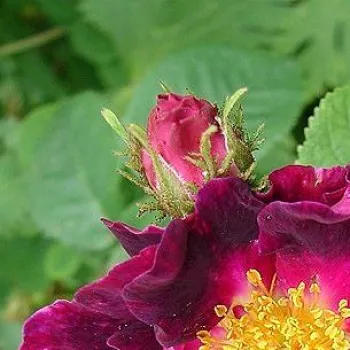
Deep crimson-purple velvety petals with violet sheen; buds dark garnet-red; centres initially whitish with yellow stamens, ageing to brownish-violet with near-black edges; moderate colour stability as blooms mature. |
| Fragrance and aroma |
Medium-strength, well-scented rose with a velvety, subtly berry-fruity character; fragrance best appreciated at close range in still, mild weather near paths, doors or seating areas. |
| Hip characteristics |
Occasional spherical orange-red hips 10–15 mm in diameter, forming after the once-a-year flush if flowers are not deadheaded; add discreet late-season interest for informal and wildlife-friendly plantings. |
| Resistance and winter hardiness |
Hardy to approximately –29 to –32 °C (RHS H7, USDA 4b, Swedish zone 5); medium resistance to powdery mildew, black spot and rust; may need watering in extended droughts and occasional basic pest control. |
| Horticultural recommendations |
Best in fertile, well-drained soil; suitable for partial shade and exposed sites; spacing 110–180 cm depending on use; medium maintenance, with winter pruning and simple health checks usually sufficient. |
VIOLACEA – deep violet historic Gallica rose offers rich early-summer colour, a manageable upright shrub and dependable hardiness as a long-lived own-root plant; an excellent choice if you favour classic style with straightforward care.