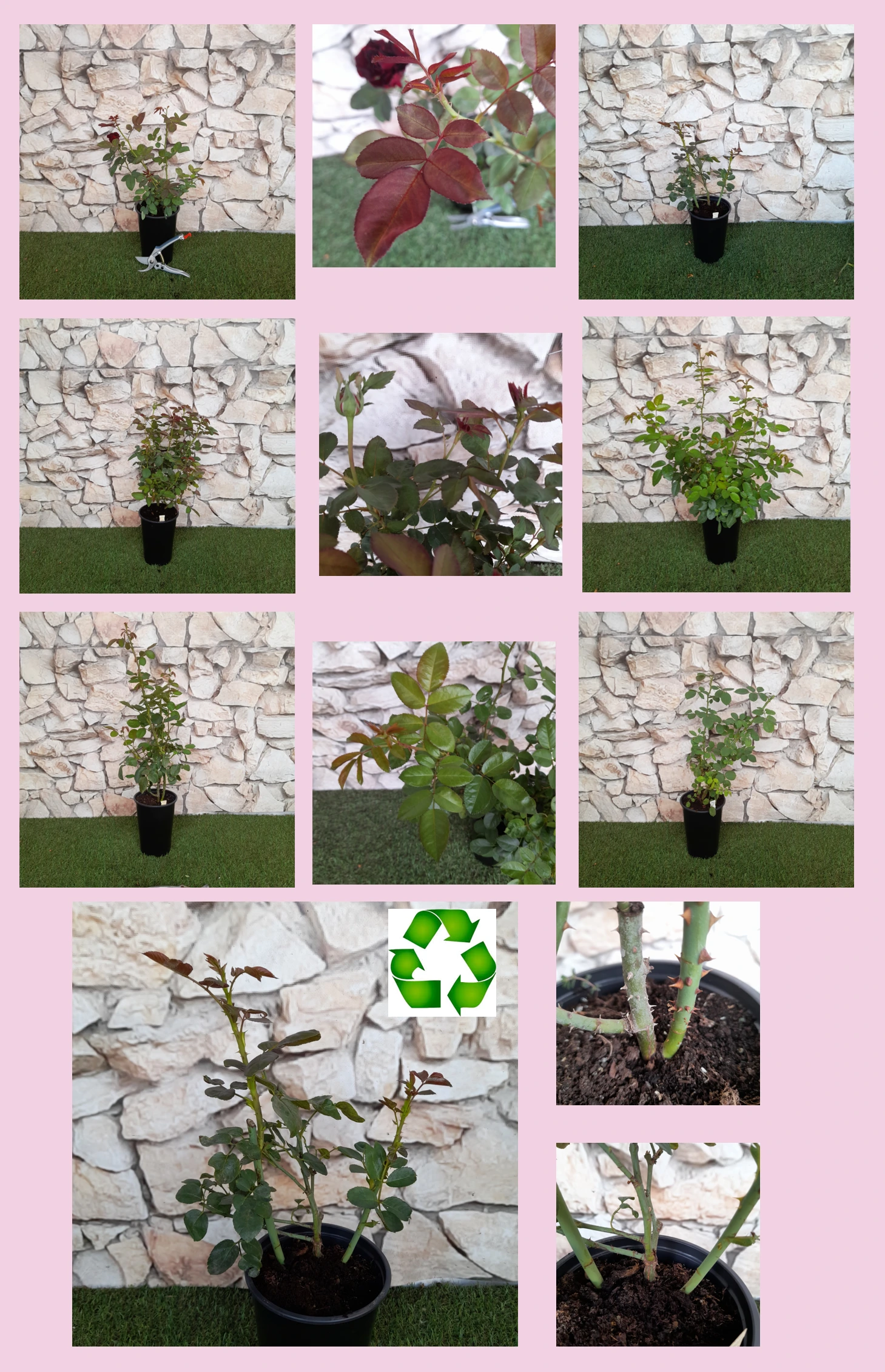
LÉDA – white historic Damask rose
This distinguished Damask brings a touch of heritage character to family gardens, combining fragrant abundance of blooms with a naturally upright, bushy habit that suits small beds and cottage-style borders. Its semi-double flowers offer excellent pollinator appeal, with easily reached stamens that draw in bees and other beneficial insects throughout the remontant season. Tough, H7-hardy growth ensures reassuring longevity in typical British winters, while its own-root constitution supports steady, balanced regrowth after pruning or weather stress. Well-suited to sites where you want planting that copes confidently with blustery rain and wind near coastal areas, it also performs comfortably in medium-maintenance settings with ordinary attention. In larger containers of at least 40–50 litres it can be enjoyed up close, where its historic fragrance can be fully appreciated on summer evenings.
Usage options
| Target area | Reasoning |
|---|
| Front garden feature shrub |
An upright, bushy habit and dense foliage make Léda a natural focal point for modest front gardens, offering structure without overwhelming the space. Historic Damask character and distinctive white-and-red blooms give classic kerbside charm with medium, manageable care for beginners. |
| Small rose bed with seasonal interest |
Its remontant flowering habit delivers strong initial bloom followed by a generous second flush, keeping small beds lively through the season. In ordinary family gardens this reliable repeat gives good colour without complex routines, rewarding regular deadheading and basic feeding for homeowners. |
| Cottage-style mixed border |
The semi-double, rosette blooms sit beautifully among perennials and light grasses, echoing traditional cottage-garden planting. White petals edged raspberry-red weave easily into soft colour schemes, providing gentle contrast rather than harsh blocks of colour, suiting aesthetically minded gardeners. |
| Pollinator-friendly planting strip |
Partly pollinator-friendly, with exposed stamens despite semi-double flowers, Léda invites bees and other insects into the garden. Planted near paths or seating, it offers both scent and activity, contributing to informal wildlife corridors that appeal strongly to environmentally aware families. |
| Large patio container or courtyard pot |
In a 40–50 litre or larger container, its moderate height and bushy structure are easy to manage, ideal for patios and small courtyards. Own-root growth settles gradually into a stable, well-shaped shrub that copes with seasonal pruning and re-potting, reassuring time-pressed urbanites. |
| Lightly shaded side garden |
Suitable for partial shade, Léda can brighten side returns or north-east facing spaces where full-sun roses struggle. The clear white flowers with coloured edging show up well in softer light, giving decorative value even on overcast days that are common for many British owners. |
| Low-input, long-lived border element |
Good heat and drought tolerance, combined with H7 hardiness, make this Damask a sound long-term choice for borders that must cope with variable weather. Its own-root structure supports gradual thickening and recovery after pruning, building a stable planting that suits busy households. |
| Historic or traditional garden scheme |
With origins traced back to the early 19th century, Léda fits seamlessly into period-inspired designs and traditional British garden layouts. It offers authentic historic rose character while adapting steadily to soil and climate, even in gardens exposed to strong wind and frequent rain near coasts for discerning collectors. |
Styling ideas
- Cottage-border trio – Plant Léda in a loose group of three with lady’s mantle and soft blue perennials for a relaxed cottage look – ideal for style-conscious beginners wanting easy harmony.
- Historic-centrepiece – Use a single shrub as the focal point in a small front bed, underplanted with low groundcover honeysuckle to keep the picture neat – suitable for tidy, low-fuss homeowners.
- Patio-showpiece – Grow Léda in a generous 50-litre container near seating so its strong fragrance and repeat blooms can be enjoyed up close – perfect for small-space urban gardeners.
- Wildlife-accent – Combine with airy Verbena bonariensis to create a gentle pollinator corridor that adds movement and life to sunny borders – appealing to families encouraging children’s nature interest.
- Period-parterre – Arrange plants at formal spacings in a simple geometric bed, letting their historic form and hips provide structure through the seasons – suited to enthusiasts recreating traditional schemes.
Technical cultivar profile
| Parameter | Data |
|---|
| Name and registration |
Léda is a historic Damask shrub rose marketed as LÉDA – white historic Damask rose; a verified, premium gold quality selection from the Historic rose collection with authentic cultivar identity. |
| Origin and breeding |
A classic Damask rose with British origins, bred around 1818 and in gardens before 1827; precise breeder, parentage and original distributor remain unknown, reflecting its historic, heirloom character. |
| Growth and structural characteristics |
Forms an upright, bushy shrub 90–150 cm tall and 70–110 cm wide, with dense, slightly glossy grey-green foliage and moderate prickliness, giving a full, well-leaved presence in ordinary garden borders. |
| Flower morphology |
Semi-double, medium-sized rosette blooms (approximately 4–7 cm), carried in clusters. Petal count averages 13–25, with remontant flowering that provides a notable second flush after the main early-summer display. |
| Colour data and phenology |
Snow-white petals edged raspberry-red; buds deep crimson with pale tips. Colour fades gently to milky and off-white as red margins thin to pink, maintaining attractive contrast and very good overall colour retention. |
| Fragrance and aroma |
A very strong, classic rose fragrance noticeable from a distance, typical of historic Damask roses. Well suited to seating areas, paths and entrances where its rich scent can be appreciated in everyday use. |
| Hip characteristics |
Produces decorative, ovoid red hips 15–25 mm in diameter in moderate quantities after flowering; the egg-shaped fruits extend ornamental value into autumn and can complement traditional or wildlife-friendly plantings. |
| Resistance and winter hardiness |
Hardy to approximately −32 to −29 °C (USDA 4b, RHS H7) with moderate resistance to black spot, mildew and rust. Tolerates heat and short dry spells well when established, benefiting from routine preventive care. |
| Horticultural recommendations |
Best for beds, borders, containers and specimen use at 80–150 cm spacing. Tolerates partial shade and medium maintenance; responds well to regular deadheading, balanced feeding and thoughtful winter pruning. |
LÉDA – white historic Damask rose offers fragrant repeat flowering, authentic period character and steady own-root growth for long-lived structure, making it a thoughtful choice if you value enduring beauty with manageable care.