Victor Verdier – crimson historic perpetual hybrid rose - Lacharme
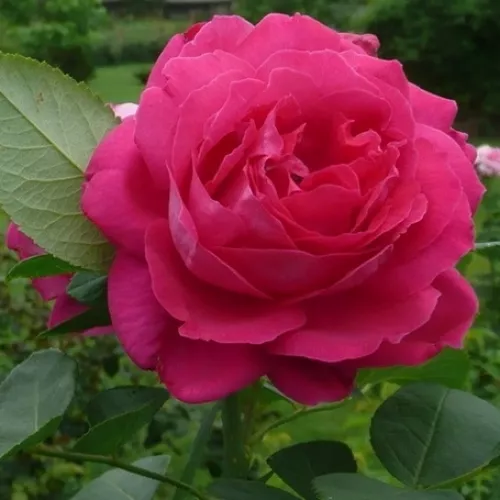
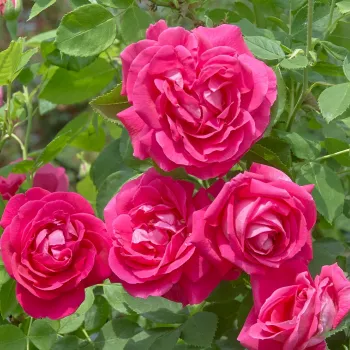
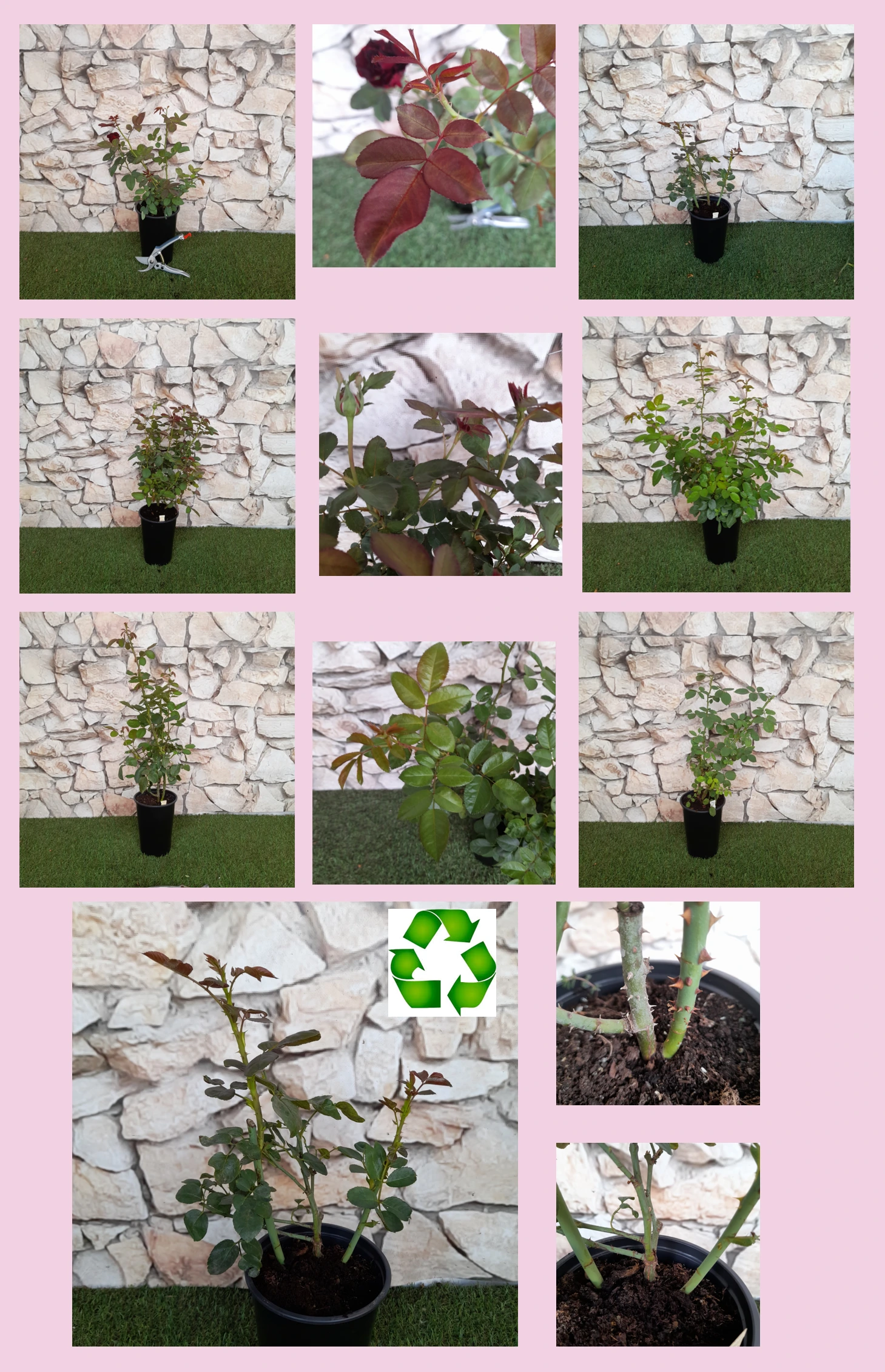
With its refined heritage character, Victor Verdier brings classic hybrid perpetual charm to compact British gardens, combining elegance with reliable remontant flowering from early summer onwards. The large, very double blooms open ball-shaped, unfolding a soft silken sheen in changing crimson and mauve tones, while the medium, harmonious fragrance adds gentle romance near paths, windows and seating areas. Upright, moderately dense growth and sparse thorns make it easy to handle and prune, adapting well as an own-root shrub that settles into beds, borders or larger containers over time for lasting impact. Once planted into reasonably drained soil – particularly helpful in wetter, wind-exposed gardens where good structure supports steady establishment – you can expect a reassuring development: first strong roots, then confident shoots, then full ornamental value in the third year, ensuring long-lived stability, graceful structure, rewarding flowering and time-saving endurance for busy garden owners.
Usage options
| Target area | Reasoning |
|---|
| Front garden focal shrub |
Ideal as a single, upright shrub by a path, gate or bay window where the large, very double crimson blooms create an immediate heritage focal point; own-root vigour supports a long-lived, tidy presence for beginners. |
| Small mixed border with perennials |
Suits cottage-style borders among perennials such as catmint and hardy geraniums, where the remontant flowering provides repeating colour highlights that weave naturally through the season for style-conscious owners. |
| Classic rose bed in family gardens |
Plant in small groups or rows at the recommended spacing to build a traditional rose bed whose consistent height and medium foliage density give a structured yet manageable display for home gardeners. |
| Feature rose near seating or terrace |
The medium but noticeable fragrance and refined colour shifts are best appreciated close up, so positioning near a bench or terrace offers sensory interest with only moderate maintenance for relaxed users. |
| Specimen in large container (40–50 L+) |
Performs well as a specimen in a generous, 40–50 litre container where its upright habit and sparse prickles simplify pruning and access, provided regular watering and feeding are maintained for balcony gardeners. |
| Structured hedge or row planting |
When planted at hedge spacing, the even, upright habit and stable framework form a low, flowering screen that adapts steadily to local soil and care practices, supporting a resilient line for practical planners. |
| Ornamental area in exposed or coastal gardens |
Best in well-prepared, drained soil where its sturdy structure and own-root anchoring cope more calmly with rainy, windy episodes common in many British and coastal gardens for weather-aware owners. |
| Cutting corner for home bouquets |
The large, full, solitary blooms and long, fairly straight stems make this an attractive option for informal cutting, offering romantic, scented stems for the house without needing expert techniques for creative florists. |
Styling ideas
- Cottage Harmony – Combine Victor Verdier with catmint, lady’s mantle and hardy geraniums for a soft, layered front-border look – ideal for lovers of informal cottage gardens.
- Crimson Focus – Use a single shrub flanked by low box or lavender to frame a path or doorway, letting the large crimson blooms act as the main statement – suited to neat, image-conscious homeowners.
- Vintage Cutting – Group 3 shrubs in a sunny corner to create a simple cutting patch that supplies repeat blooms and fragrance through summer – perfect for home floristry enthusiasts.
- Container Accent – Plant one rose in a 40–50 litre terracotta pot with trailing thyme or lobelia at the rim, creating a movable focal point by a terrace or step – best for patio-focused urban gardeners.
- Structured Screen – Set a staggered row backed by yew or privet to form a flowering, waist-high screen that keeps clear lines and classic structure – appealing to those who like orderly yet romantic planting.
Technical cultivar profile
| Property | Data |
|---|
| Name and registration |
Victor Verdier, historical hybrid perpetual from the Heritage rose collection; unregistered cultivar used under its long-established trade and exhibition name. |
| Origin and breeding |
Bred in France by François Lacharme and introduced in 1859; parentage recorded as ‘Jules Margottin’ × ‘Safrano’, linking tea influence with classic hybrid perpetual form. |
| Growth and structural characteristics |
Upright shrub 120–190 cm high and 70–120 cm wide, moderately dense dark green foliage, slightly glossy leaves, sparsely thorned shoots and weak self-cleaning of spent blooms. |
| Flower morphology |
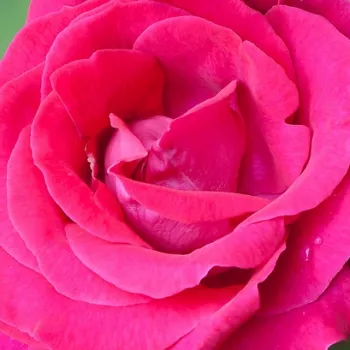
Large, very double, ball to pompon-shaped solitary blooms with 40+ petals; strong hybrid perpetual character and reliable remontant flowering, with a notably abundant second flush. |
| Colour data and phenology |
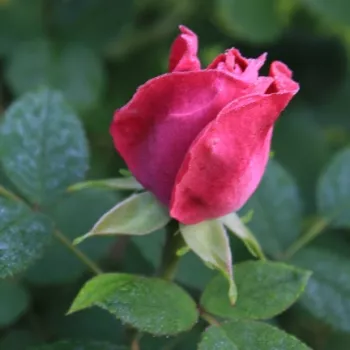
Vibrant crimson-pink with silken sheen; buds dark crimson red, opening bright carmine-rose, then light mauve-pink before fading; ARS dp, RHS 53A outer and 53C inner petal colour codes. |
| Fragrance and aroma |
Medium-strength, pleasant and harmonious fragrance typical of historic hybrid perpetuals; noticeable around the plant and suitable for enjoying near seating or as cut flowers indoors. |
| Hip characteristics |
Occasionally sets small, spherical hips 11–18 mm in diameter, orange-red when mature; hips add a modest seasonal accent but are not a defining ornamental feature. |
| Resistance and winter hardiness |
Hardy to approximately –21 to –18 °C (RHS H7, USDA 6b, Swedish zone 3); moderate disease resistance with good tolerance of powdery mildew and black spot, rust susceptibility moderate. |
| Horticultural recommendations |
Best in sunny beds or borders with fertile, well-drained soil; medium maintenance with some deadheading; occasional plant protection may be needed in high disease-pressure seasons. |
Victor Verdier offers remontant crimson blooms, medium harmonious fragrance and reliable upright structure on a long-lived own-root plant, making it a thoughtful choice for gardeners seeking classic character with manageable care.