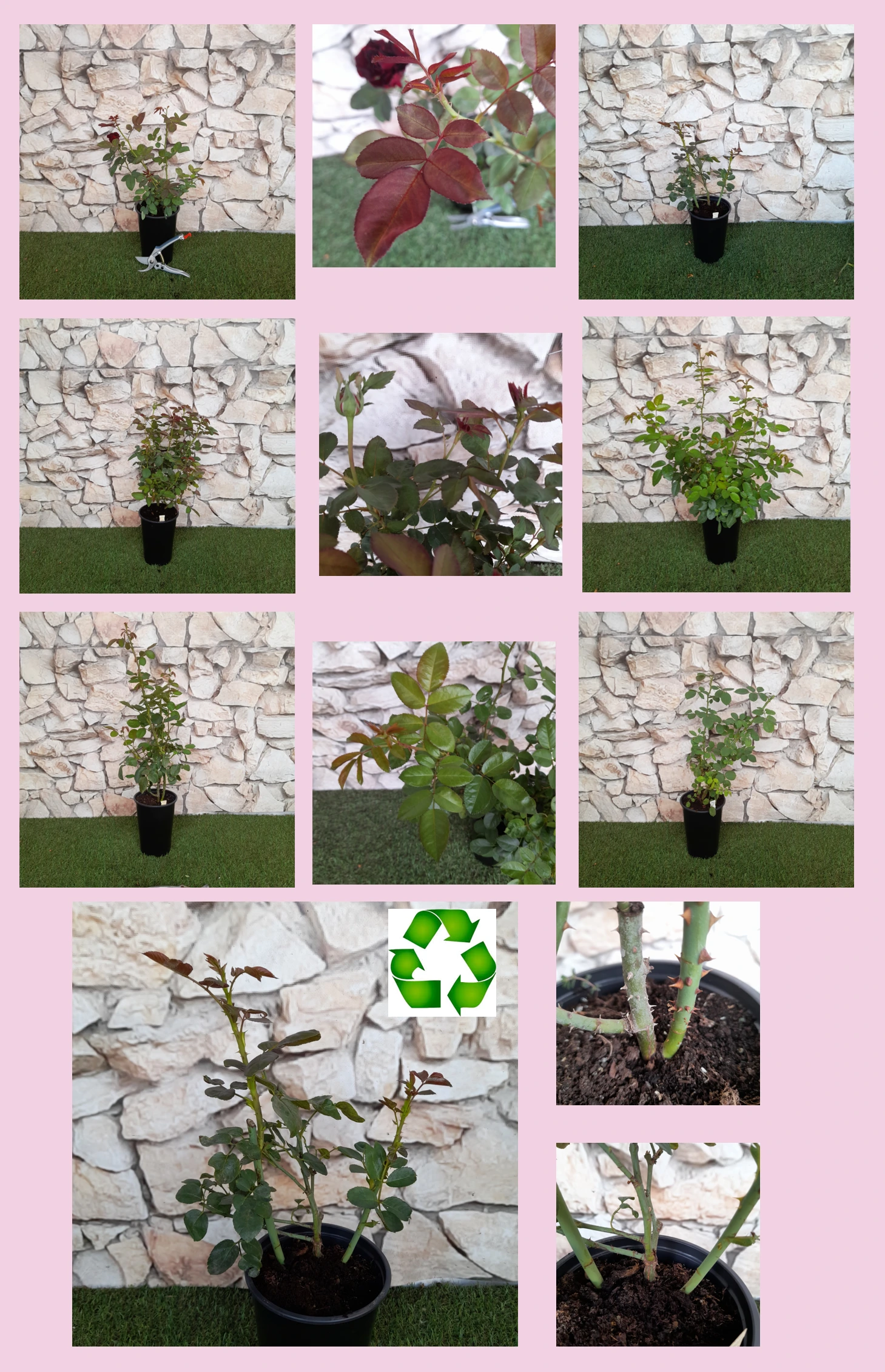
TROMPETER VON SÄCKINGEN – carmine-red historic old garden rose - Geschwind
This charismatic heritage rambler combines generous growth with nostalgic character, bringing a sweep of carmine-red summer blossom to arches, fences and pergolas. Once established, its own-root longevity and steady structure make it a reassuring choice where you want a rose to settle in and endure, even in gardens facing brisk winds and coastal conditions. The non-repeat but abundant main flush offers an old-world display that anchors cottage-style planting with authentic period charm, while the dark, matt foliage adds textural contrast to lighter companions. Sparsely thorned canes improve everyday access for training and tying in, and its medium maintenance needs suit gardeners who prefer seasonal, planned care rather than constant intervention. Over the first few seasons it roots, then builds its framework, then reaches full ornamental maturity, rewarding patient planting with a lasting, historical feature rose of real presence.
Usage options
| Target area |
Reasoning |
| Family pergola or arbour |
Ideal where you want a once-a-year, theatrical summer show overhead, covering structures with clusters of carmine-red, very full flowers. Own-root plants create a durable framework for long-lived garden architecture – well suited to beginners. |
| Historic or cottage-style front garden |
The non-remontant, single main flush echoes traditional old rose rhythm, pairing beautifully with cranesbills and clematis for a genuinely period look that complements British cottage facades – perfect for the romantically minded homeowner. |
| Seasonal flowering fence screen |
Its strong rambler habit and 210–350 cm height allow you to clothe a boundary with nostalgic colour and moderate privacy, while own-root resilience supports gradual, low-intervention shaping – reassuring for the time-pressed gardener. |
| Feature rose in mixed shrub border |
Used as a specimen at wider spacing, the dark, matt foliage and arching canes give structure through the year, with the summer flush acting as a bold focal point among perennials and shrubs – appealing to design-conscious beginners. |
| Arched walkway or rose tunnel |
Long, flexible canes can be trained horizontally along arches to maximise bud formation and create immersive bloom tunnels, bringing classic rose-garden atmosphere without demanding complex pruning – ideal for family-focused gardeners. |
| Naturalistic park corner or large garden backdrop |
In larger spaces, its consistent, upright rambler growth provides a reliable, tall backdrop, while moderate hip production adds seasonal interest and wildlife value, supporting simple, low-formality maintenance – suited to relaxed owners. |
| Exposed, windy garden edges |
The vigorous framework and own-root anchoring help it cope with blustery, open sites, where once established it holds its form well and recovers reliably after rough weather, even in many challenging coastal-style situations – reassuring for cautious starters. |
| Informal heritage rose collection |
As an 1890 Geschwind hybrid multiflora, it adds authentic historical depth and genetic diversity, with medium disease resistance and hardy performance to –29 °C, suiting long-term, character-led plantings – attractive to heritage-loving collectors. |
Styling ideas
- Cottage Archway – Train along a simple timber arch and underplant with scented cranesbill for soft, tumbling colour – for romantics who enjoy a traditional entrance.
- Heritage Fence Run – Space plants along a front-garden fence, letting canes weave through rails for a period street presence – for homeowners wanting classic kerb appeal.
- Pergola Retreat – Cover a seating pergola, adding clematis for layered bloom and shade in summer – for families creating a calm, floral outdoor room.
- Mixed Shrub Focus – Use as a tall backdrop in a shrub and perennial border, combining with lilacs and hardy geraniums – for gardeners aiming at gentle structure with seasonal drama.
- Parkland Corner – Allow a looser, arching framework near lawns or paths, letting hips and foliage provide later interest – for those preferring naturalistic, semi-wild character.
Technical cultivar profile
| Parameter |
Data |
| Name and registration |
Trompeter von Säckingen is a historical hybrid multiflora shrub and rambler rose, marketed as a heritage rose; unregistered cultivar, verified authenticity for consumer garden use. |
| Origin and breeding |
Bred by Rudolf Geschwind in Austria around 1890, introduced to commerce in 1929; exact parentage and original distributing nursery remain unknown or undocumented in current sources. |
| Growth and structural characteristics |
Strongly upright rambler with creeping tendencies, 210–350 cm high and 150–250 cm spread; sparsely thorned canes and moderately dense, dark matt foliage provide a tall, architectural framework. |
| Flower morphology |
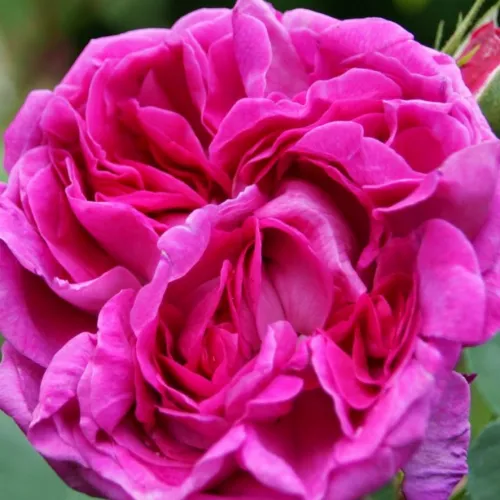
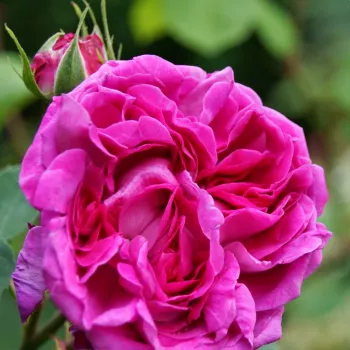
Medium-sized, flat, very full flowers with more than 40 petals, carried in clusters; non-remontant habit provides a single, abundant main flowering period rather than repeat flushes. |
| Colour data and phenology |
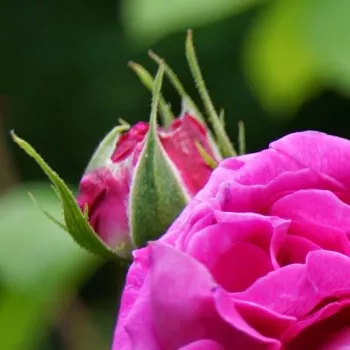
Carmine-red blooms (RHS 53A, 60B) open vivid, then gradually fade towards violet-purple and violet-lilac tones; colour retention is modest, contributing to a soft, antique appearance over time. |
| Fragrance and aroma |
Very faint, barely perceptible scent with a delicate, classic rose character; fragrance is subtle and not the main ornamental feature, making the rose chosen primarily for colour and habit. |
| Hip characteristics |
Produces moderate quantities of small, globular hips, 5–9 mm in diameter, coloured orange-red; hips extend visual interest into autumn and may offer light wildlife and biodiversity benefits. |
| Resistance and winter hardiness |
Medium resistance to black spot, powdery mildew and rust; hardy to approximately –29 to –26 °C (RHS H7, USDA 5a, Swedish Zon 4), suitable for most UK climates with basic preventive care. |
| Horticultural recommendations |
Best on supports such as arbours, pergolas and fences; plant 120–220 cm apart depending on use, ensuring good drainage on heavier soils; prune after flowering, and provide occasional plant protection as needed. |
TROMPETER VON SÄCKINGEN offers vigorous heritage growth, a spectacular once-a-year display and hardy, own-root resilience that matures into a stable garden feature, making it a thoughtful choice for characterful British family gardens.