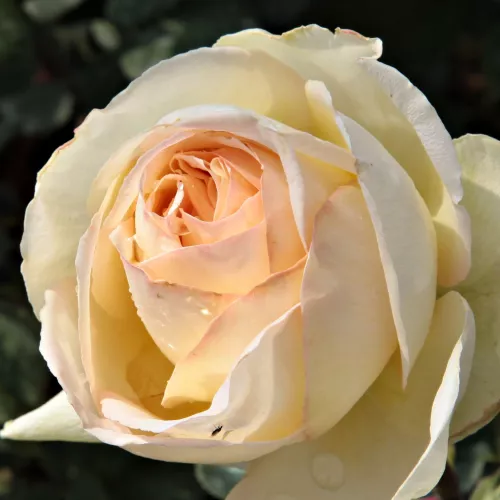
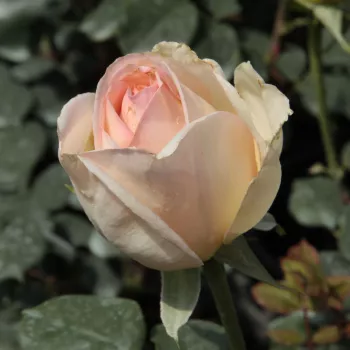
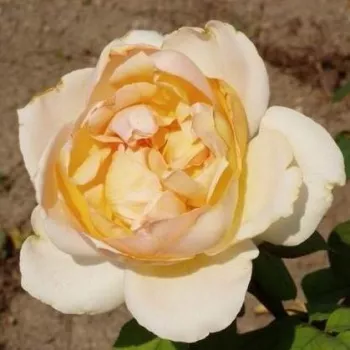
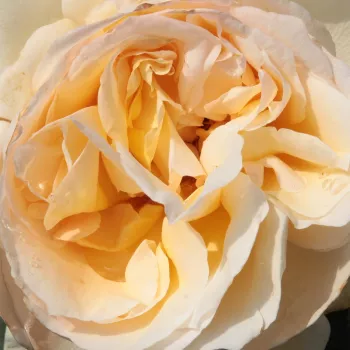
Its creamy base colour is enriched with vivid yellow tones and a delicate pink veil. - hybrid tea rose - medium-strength, noticeably scented rose - scent description not available
– Elegant cream‑yellow blooms with pink tones
– Very full, ball‑shaped flowers for display
– Reliable remontant flowering with good repeat
– Tall, upright shrub for beds and cutting
– Medium, noticeable fragrance for enjoyment
– Special feature: Decorative orange‑red hips in autumn add extra garden interest.
In harmony with nature – Safe in the long term
pharmaROSA® ORIGINAL 2-litre own-root potted rose
18,20 £
Unfortunately, we are currently unable to ship to the United Kingdom; we only deliver to countries within the European Union. For more information, please contact us!
4.5(6998)
TOPAZE ORIENTALE™ – cream‑yellow hybrid tea rose
This classic hybrid tea gives family gardens a quietly glamorous presence, producing elegant, medium‑sized, ball‑shaped blooms in a refined cream‑yellow with a soft pink halo. Its upright, bushy habit makes it ideal as a specimen by the front door, in small beds, or set among perennials for a cottage‑style border. The medium, noticeable fragrance adds charm along paths and seating areas, while the dense, mid‑green foliage creates a calm, structured backdrop even between flushes. As an own‑root plant it develops steadily for long‑term stability and bush renewal, responding well where soils are heavy so long as you give it a raised bed or similar to improve wet‑weather drainage.
Topaze Orientale™ produces medium-sized, very full hybrid tea blooms.
Usage options
Target area
Reasoning
Front‑garden specimen by the entrance
Its upright, well‑structured growth and dense foliage mean a single bush stands confidently on its own, giving a neat, vertical accent beside a gate, path or front door. Clear spacing makes maintenance sprays straightforward for beginners.
Small rose bed in a family garden
In a simple rectangular bed, 3–5 plants at the recommended spacing build a coherent, bushy block of colour with elegant, rounded blooms. Grouping simplifies care and makes regular deadheading and plant protection easy for busy-owners.
Cottage‑style mixed border
The calm, matt mid‑green foliage and cream‑yellow flowers blend gently with traditional perennials, softening fences and walls without overwhelming nearby plants. Keeping it slightly forward in the border aids air flow and spraying for urban-gardeners.
Cut‑flower corner or picking bed
Solitary, very full blooms on upright stems suit cutting for vases, giving you classic hybrid tea flowers with a pleasant, medium scent for the house. Concentrating bushes in one sunny row makes monitoring for rust and disease simpler for home-florists.
Feature rose in a lawn island bed
Planted centrally with a generous 90 cm radius, its height and tidy outline provide a clear focal point visible from windows and terraces. Open lawn all around improves air movement and access for preventive treatments for garden-owners.
Large container on patio or terrace
In a 40–50 litre pot with quality compost and good drainage, its upright form and repeat flowering give long seasonal interest close to seating. Container culture also keeps roots drier in wet spells and makes plant protection more controlled for balcony-owners.
Formal pair flanking steps or path
Two evenly matched plants create a balanced, classical approach, their uniform height and flower form lending a composed, traditional look. The symmetry makes it easy to spot problems early and treat both plants together for style-conscious.
Small park or shared front‑green planting
Used in modest groups, the consistent colour and structured habit read well from a distance, giving reliable impact over many seasons. Good planning for soil preparation and protection helps it cope with exposed, rain‑catching sites for community-gardeners.
Styling ideas
Soft cottage mix – Combine with clustered bellflower and creeping baby's‑breath for a light, pastel cottage look that keeps the rose as the calm vertical accent – ideal for relaxed front‑garden designers.
Formal duo – Plant two on either side of a path or steps, underplanted with low lavender or nepeta, to emphasise its upright shape and classic blooms – for lovers of traditional symmetry.
Pastel ribbon – Create a low, flowing line along a drive with evenly spaced bushes, letting their cream‑yellow flowers echo pale salvias and hardy geraniums – for those wanting a tidy but gentle welcome.
Cutting corner – Dedicate a sunny bed with rows of this variety backed by tall, airy perennials so you can cut blooms freely while the border still looks full – perfect for home flower arrangers.
Patio focus – Use a single large container near seating, surrounded by simple terracotta pots of herbs, to enjoy its scent and structured form at close quarters – suited to compact terrace and courtyard planners.
Technical cultivar profile
Parameter
Data
Name and registration
Hybrid tea rose; registered as Topaze Orientale, also traded as TOPAZE ORIENTALE™ – cream‑yellow hybrid tea rose – Delbard‑Chabert; ARS exhibition name Topaze Orientale.
Origin and breeding
Bred in France by André Delbard‑Chabert, introduced 1965 by Delbard / Georges Delbard SA; parentage ‘Sultane’ × ‘Queen Elizabeth’, belonging to the Hybrid Tea group.
Growth and structural characteristics
Upright, bushy plant reaching about 130–170 cm high and 70–90 cm wide, with dense, matt, mid‑green foliage and moderate thorniness; spent flowers generally need manual removal.
Flower morphology
Medium‑sized, solitary, very full blooms with over 40 petals, rounded ball to pompon shape, borne mainly singly on stems; remontant with a generous second flush in suitable conditions.
Colour data and phenology
Cream‑yellow base enriched by vivid yellow and a delicate pink veil; outer petals RHS 11D, inner 36C; colours gently fade to softer pastels in full sun as the flower ages.
Fragrance and aroma
Medium‑strength scent noticeable at close quarters; fragrance character not fully documented but sufficient to enjoy when used near paths, entrances or in cut arrangements indoors.
Hip characteristics
Produces moderately abundant, ovoid orange‑red hips about 12–18 mm in diameter, of ornamental value in late season if spent flowers are left to develop rather than deadheaded.
Resistance and winter hardiness
Hardy to around -21 to -18 °C (RHS H7, USDA 6b, Swedish Zone 3); disease sensitivity moderate to powdery mildew and black spot, very sensitive to rust so regular protection is advised.
Horticultural recommendations
Best in sunny sites as specimen, in beds, for cut flowers or small park uses; allow 50–90 cm spacing, ensure good air flow, attentive watering in drought, and a planned plant protection regime.
TOPAZE ORIENTALE™ offers elegant scented blooms, a structured upright habit and long‑term own‑root reliability for gardeners who enjoy classic roses and are prepared to give them attentive care.
Our product is a rose grown with pharmaROSA®’s unique cultivation technology!
2-litre, own-root, potted rose.
With a shoot system appropriate to the season.
With a root system that thoroughly permeates the growing medium.
Quality compliant with the requirements of the E.N.A. (European Nurserystock Association).
Supplied in unique packaging that prevents damage.
Can be planted during frost-free periods.
True-to-variety rose bush with a unique identifier.
The pharmaROSA® own-root potted rose is a well-rooted plant that supports reliable establishment when planted and cared for properly, so it can be planted whenever the soil is not frozen.
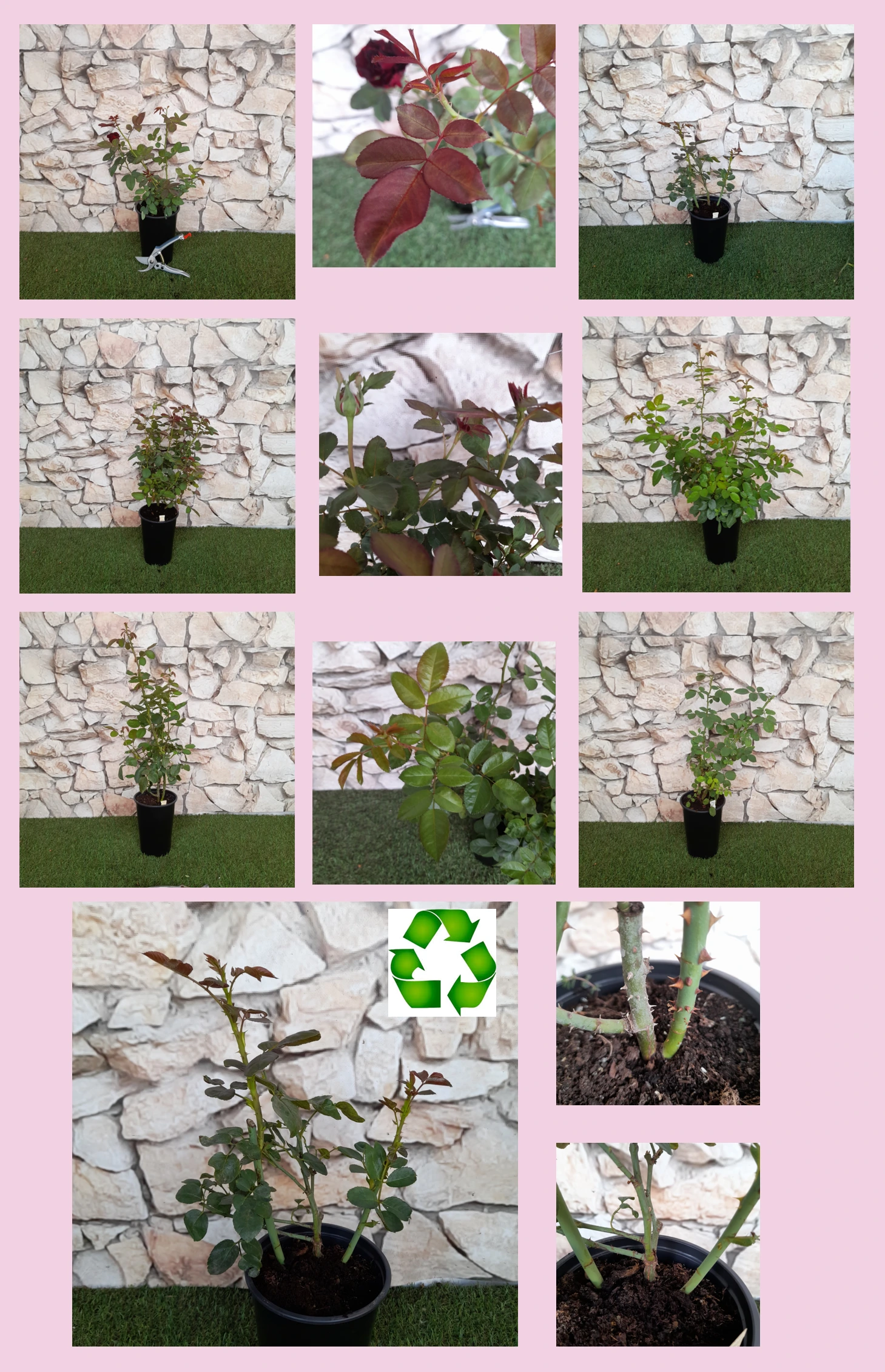
Crop overview: several varieties and growth stages in a short crop section.Shoot system: intensive growth of fresh basal shoots on a young plant.Root system: demonstration of a vigorous root system permeating the growing medium, by removing the pot.Balance: mature plant with root system and shoots in harmony with each other.
Information about the videos
The video series is not a “seasonal showcase”; it illustrates the essence of pharmaROSA® own-root cultivation in a tangible way: how the plant is built up, what the root system is like and how the shoot system regenerates. The recordings were therefore made at different times and with plants at various stages of development, so mixed foliage levels and differing stages of growth may appear in the videos. They are not a ‘sample’ of the batch dispatched, but a visual explanation of how the technology works. The current condition of the rose available to order — typical for the given period and similar to what you can expect to receive in the parcel — is shown in the upper part of the product page.
Pages for private customers Garden roses for the family garden, with minimal care → ORIGINAL® Premium garden roses – instant impact, a truly showpiece garden → EXTRA® Pages for professionals and private customers Roses for public spaces – large areas, sustainable maintenance → NATURAL® Roses for projects – hedge and row planting, fast implementation → RAPID® For professional partners only Production – propagation material for garden roses, wholesale → NEONATAL®
Company details
PharmaRosa Ltd. Company registration number: 01-09-717479 VAT number: 13075314-2-43 Plant health registration no.: HU130721 Bank account (IBAN): HU85117631891388688400000000 BIC (SWIFT): OTPVHUHB Bank name: OTP Bank Nyrt.