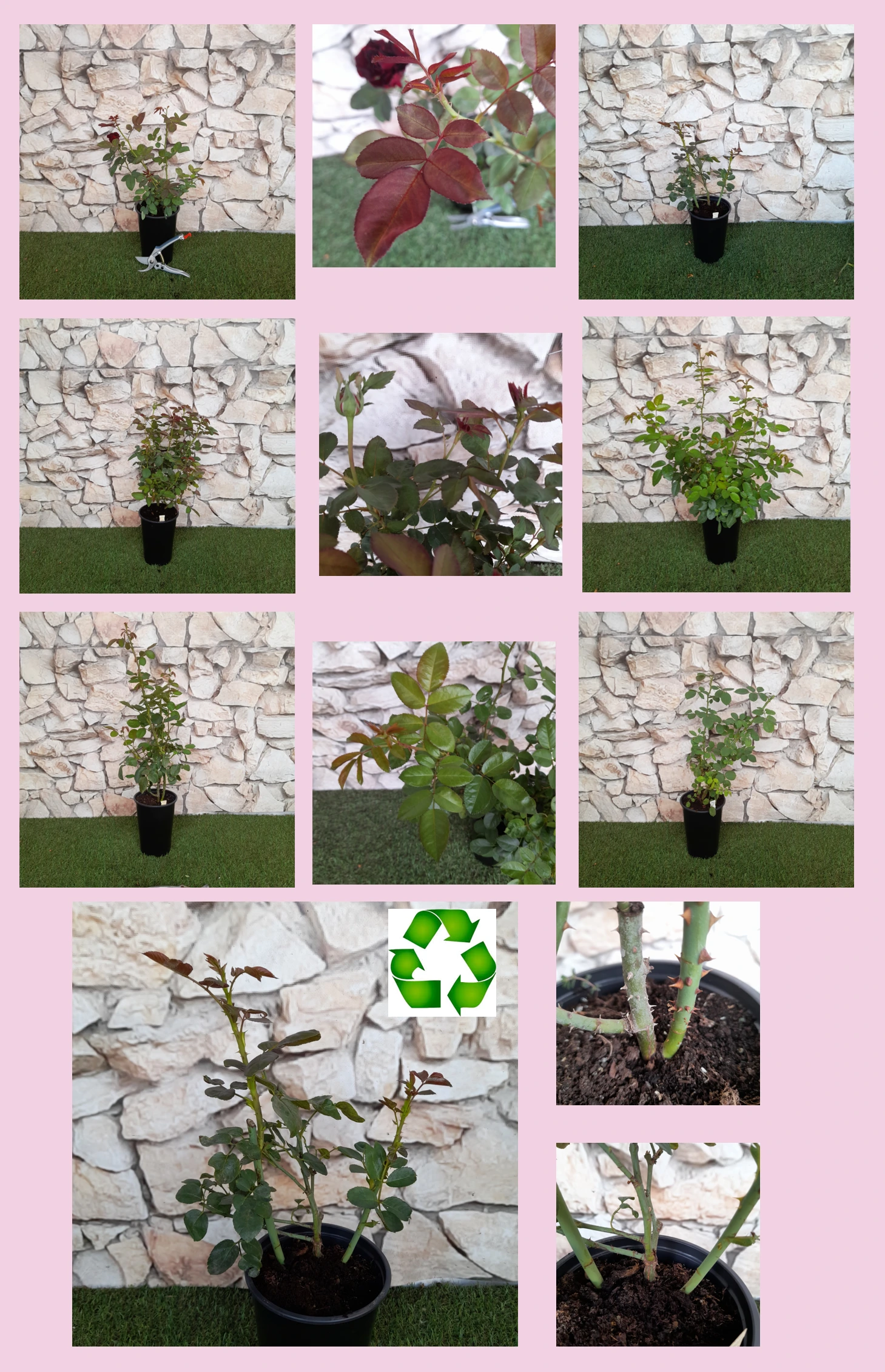
TIFFANY – pink tea-hybrid rose - Lindquist
Fragrant and classically elegant, TIFFANY is a hybrid tea rose for gardeners who want striking, high-centred blooms without complicated care routines in a typical British front garden. Its very strong scent and refined salmon-pink colouring bring a quietly luxurious look to beds and borders, while the upright habit fits neatly into small spaces and around-the-house planting. As an own-root rose, it develops a stable, long-lived shrub that can regenerate from its base, giving reassuring longevity even after hard pruning or winter damage. In the first year it concentrates on roots, the second on shoots, and by the third year it reaches its full ornamental value, settling well even where you need good anchoring against coastal wind and rain. With medium care needs and moderate disease resistance, it suits hobby gardeners who will deadhead and feed but do not wish to fuss. Ideal in small groups or as a single focal plant near paths and seating, it also cuts well for the vase, providing lasting enjoyment indoors from your own garden.
Usage options
| Target area | Reasoning |
|---|
| Front garden feature rose |
TIFFANY’s upright, tidy outline and medium height make it an easy choice for front gardens where you want a clear focal point that stays within bounds. The strong hybrid tea form reads well from the pavement, and its own-root durability means the shrub keeps its structure and colour impact for many years with simple seasonal pruning – perfect for the appearance-conscious homeowner. |
| Cutting patch in a family garden |
This variety was bred as an exhibition-quality hybrid tea, so the high-centred, solitary blooms on long, straight stems are ideal for cutting. The very strong, fruity fragrance fills a room from just a few stems, giving reliable flowers for vases from late spring into autumn. With regular deadheading and feeding, it rewards even beginners with florist-style blooms – ideal for the enthusiastic beginner. |
| Small rose bed beside the house |
Used in groups of 3–5 at the recommended spacing, TIFFANY forms a coherent, upright planting that is easy to keep in shape in narrow beds along drives or house walls. The moderate disease resistance suits typical British gardens where you are prepared for occasional treatments, and the own-root structure produces a steady, balanced stand over time – a reassuring choice for the busy gardener. |
| Mixed cottage-style border |
The soft salmon-pink and apricot tones blend naturally with perennials and shrubs in cottage or informal borders, without clashing with other pastel shades. Its moderate foliage density allows light through to neighbouring plants, and the repeat flowering brings colour back after early perennials fade. Own-root resilience helps it adapt to existing soil and care levels – attractive to the style-focused planner. |
| Sunny specimen rose near seating |
In a warm, sunny spot, TIFFANY’s colour and fragrance are at their best, and placing a single shrub near a bench or terrace lets you appreciate the rich scent at close quarters. The recommended 90 cm distance for specimen use gives space for air flow, supporting its moderate disease resistance. Its long-lived, own-root framework means you plant once and enjoy it for years – well suited to the relaxed observer. |
| Border planting in coastal or wind-exposed gardens |
The upright but sturdy growth and good heat tolerance allow TIFFANY to cope where beds are more exposed, provided you give reasonable soil preparation and watering in dry spells. As an own-root rose it anchors and adapts steadily, forming a bush that recovers well if wind or weather cause damage, giving reliable flowering in less-sheltered plots with typical coastal rain and wind – reassuring for the pragmatic owner. |
| Formal rose bed with classic layout |
Its hybrid tea form, exhibition heritage and well-defined individual flowers suit more formal layouts with regular spacing and clear geometry. Medium maintenance means a simple routine of feeding, deadheading and winter pruning is normally sufficient, while own-root growth allows for harder renovation cuts when needed without losing the variety. This combination suits the traditional rose-loving collector. |
| Large containers and terrace planters |
When planted in containers of at least 40–50 litres with good drainage, TIFFANY’s upright habit and repeat blooms make a refined choice for patios, balconies and roof gardens. The strong fragrance and tidy outline bring a sense of occasion to small outdoor living spaces, while own-root growth provides a stable, long-term plant that can be refreshed by pruning rather than frequent replacement – appealing to the space-conscious urbanite. |
Styling ideas
- Front-door focus – Plant a single TIFFANY by the path with low lavender or nepeta edging to frame its salmon-pink blooms – ideal for front-garden pride and kerb-conscious homeowners
- Cottage mix – Combine with Lychnis viscaria ‘Alba’ and airy grasses so the soft pink, fragrant blooms float through a relaxed, romantic border – for lovers of classic cottage style
- Rosy cutting row – Set a short row of TIFFANY along a sunny fence where stems are easy to reach, underplanted with low herbs to keep soil neat – perfect for home florists and bouquet enthusiasts
- Formal trio – Group three plants in a small triangular bed with a clipped box or low evergreen edge to emphasise the upright habit and repeat flowering – suited to structured, traditional schemes
- Terrace statement – Grow one plant in a 50-litre clay pot with silver-leaved companions such as artemisia to highlight the warm apricot-pink flowers on patios – appealing to style-focused urban gardeners
Technical cultivar profile
| Parameter | Data |
|---|
| Name and registration |
Hybrid tea rose, registered cultivar name ‘Tiffany’; current trade name TIFFANY Hybrid tea rose Tiffany; ARS approved exhibition name Tiffany; part of the hybrid tea commercial group. |
| Origin and breeding |
Raised by Robert V. Lindquist in the United States from ‘Charlotte Armstrong’ × ‘Girona’; introduced by Howard Rose Company in 1954 as an unregistered yet widely recognised garden and exhibition variety. |
| Awards and recognition |
Highly regarded classic: Portland Gold Medal 1954, All-America Rose Selections Award 1955, ARS David Fuerstenberg Prize 1957, James Alexander Gamble Fragrance Medal 1962 for outstanding scent. |
| Growth and structural characteristics |
Upright hybrid tea shrub 90–130 cm high, 60–100 cm spread, with moderately dense, dark green, slightly glossy foliage and moderate thorns; spent blooms benefit from regular deadheading to keep the plant neat. |
| Flower morphology |
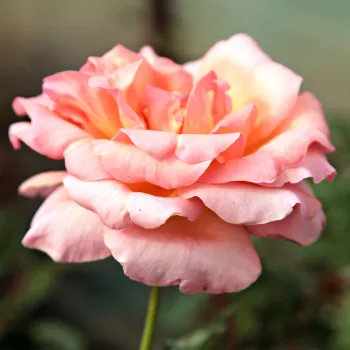
Double, 26–39 petal, high-centred, pointed-budded blooms of classic cut-rose form, mostly solitary on stems of medium length; medium-sized flowers approximately 1.5–2.75 inches, remontant with abundant second flush. |
| Colour data and phenology |
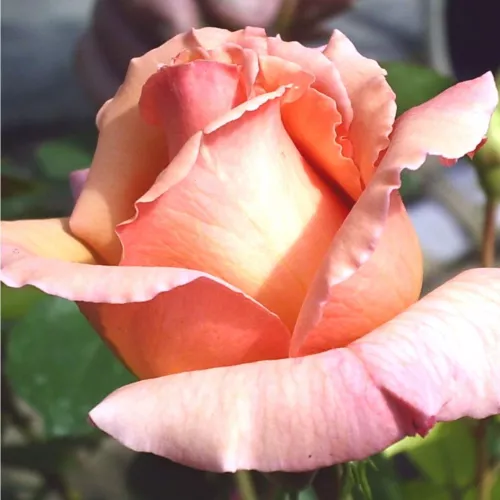
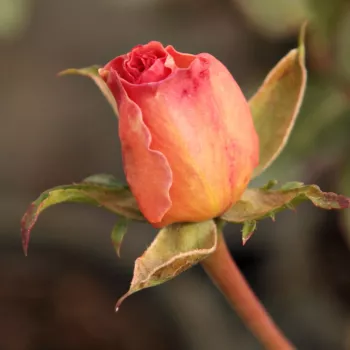
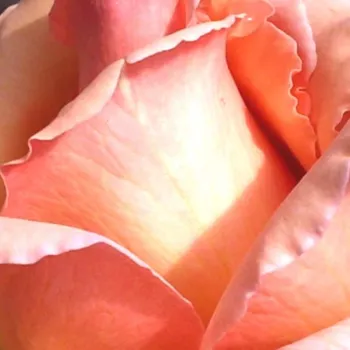
Soft salmon-pink with warm apricot effect; buds peach with rosy and buttery tones, opening to orange-peach centres and peach-pink edges that fade attractively to peach-cream and powder pink under stronger light. |
| Fragrance and aroma |
Very strong, rich fruity fragrance notable even at a distance; valued historically for perfume quality, making it an excellent choice where scented roses are a priority around seating areas, entrances and paths. |
| Hip characteristics |
Produces small, spherical, red hips occasionally; typically 10–14 mm in diameter and not usually a dominant ornamental feature, as regular deadheading for repeat bloom will reduce hip formation in most gardens. |
| Resistance and winter hardiness |
Hardy to about -15 to -12 °C (RHS H6, Swedish zone 2, USDA 7b); good heat tolerance but needs watering in dry spells; resistant to powdery mildew, with moderate susceptibility to black spot and rust. |
| Horticultural recommendations |
Best in full sun, sheltered from spring frost, with fertile, well-drained soil; spacing 55 cm for mass planting, 50 cm for hedges, 90 cm for specimens; medium care level with occasional plant protection recommended. |
TIFFANY offers fragrant, exhibition-quality blooms, a neat upright habit and long-lived own-root reliability, making it a thoughtful choice if you want a classic hybrid tea rose that simply settles in and performs.