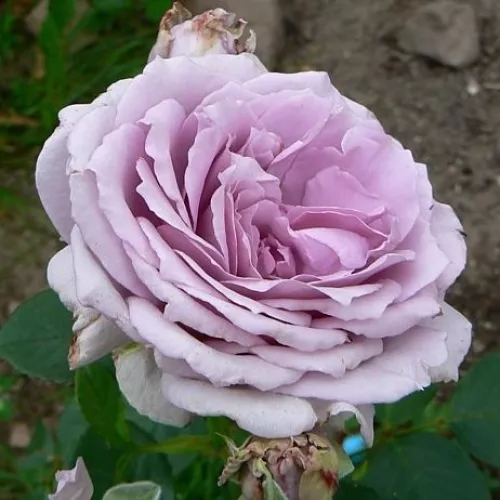
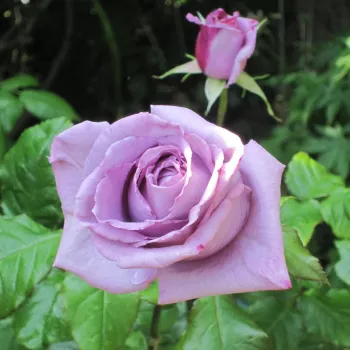
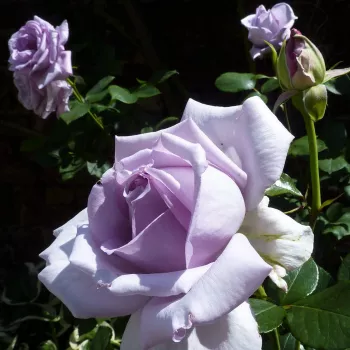
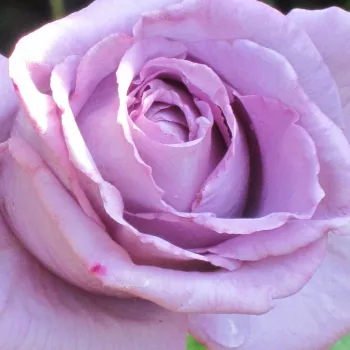
THE SCOTSMAN™ – mauve hybrid tea rose
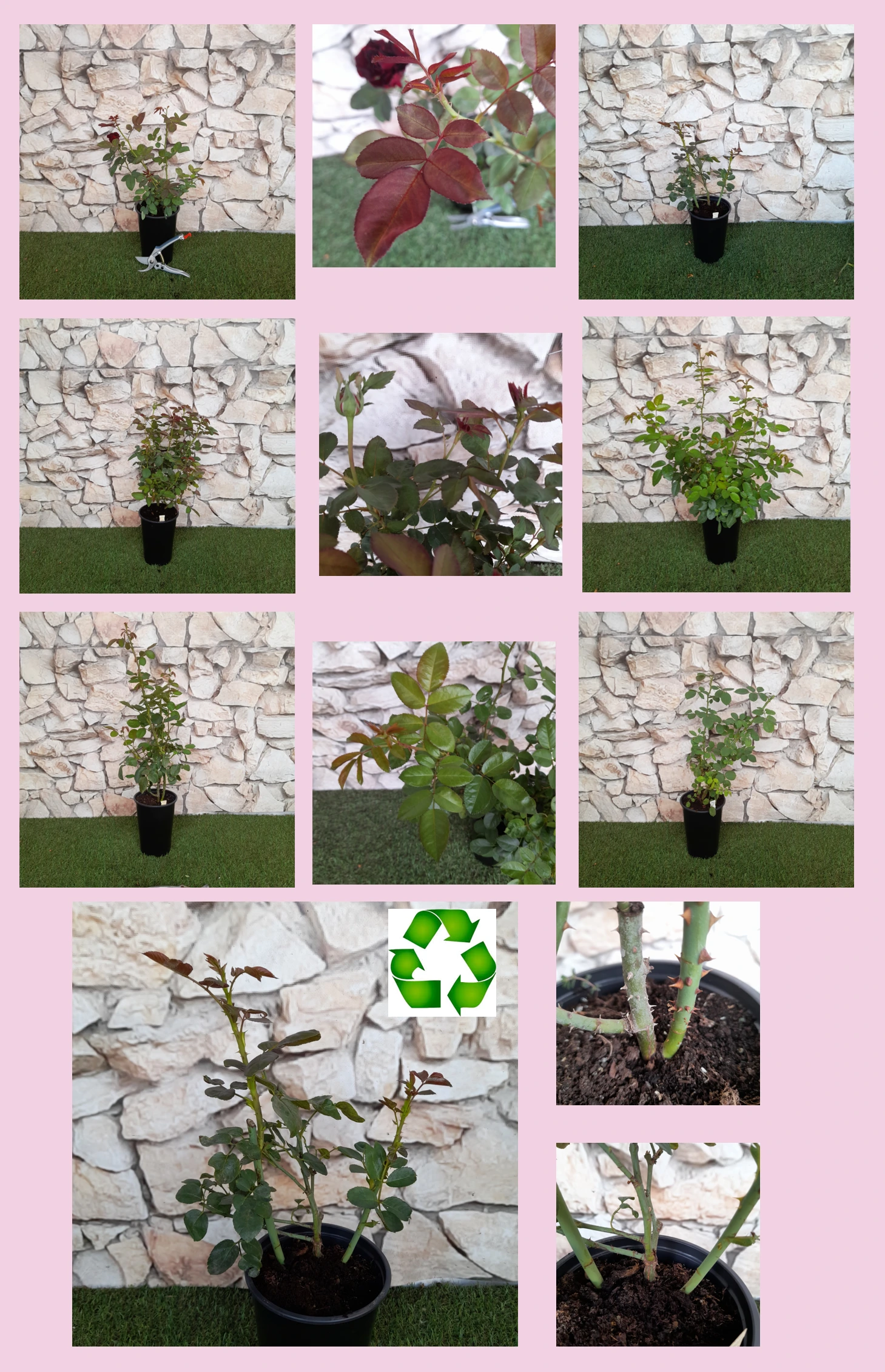
This refined hybrid tea brings a distinctly Scottish sense of character to the garden, combining velvety mauve blooms with an upright, compact habit that suits typical British front and back gardens. Its medium fragrance, with a spicy note, is noticeable without overwhelming small spaces, while the dark, glossy foliage provides a smart backdrop that looks tidy from the pavement. Bred for good sun-loving performance, it copes reliably with cool, damp spells and brisk coastal breezes where strong stems and firm petals help against rain and wind. As an own-root plant, it settles gradually and offers dependable longevity, forming a stable bush you can rely on for many seasons. In its pharmaROSA® ORIGINAL 2‑litre form it is easy to handle, simple to plant, and needs only moderate maintenance for repeat flushes of high-quality blooms, building up from root growth through to full display over its first three years.
Usage options
| Target area | Reasoning |
|---|
| Front garden feature by the path |
The upright, medium-sized bush forms a neat, contained shape that is easy to place beside a path or drive without overwhelming a small plot. Its tidy outline and relatively moderate thorniness make quick deadheading and light shaping straightforward for beginners. |
| Small formal bed or rose border |
Consistent, cup-shaped blooms on straight stems create a regular rhythm in a narrow border, working well with simple spacing plans in ordinary family gardens. This structural regularity helps you achieve a smart, ordered look without complex design skills, ideal for homeowners. |
| Mixed cottage-style planting |
The saturated mauve-purple flowers with a soft greyish veil sit beautifully among traditional cottage perennials, giving a refined contrast to creams, blues and silvers. The distinctive colour stays clear rather than muddied, helping a loosely planted border still feel intentional for style-conscious newcomers. |
| Cutting corner for home arrangements |
Large, double, solitary blooms on long, straight stems make it particularly suitable for cutting a few stems for vases without spoiling the overall shape of the bush. The medium, spicy fragrance adds character indoors, rewarding simple, occasional cutting by busy gardeners. |
| Specimen rose in a small lawn or paved space |
Planted singly with around 90 cm clearance, the plant develops into a compact focal point that reads clearly from windows or seating areas. Own-root growth gives long-term stability, so once established it will hold its place in the garden picture for years, reassuring cautious buyers. |
| Modern urban front garden with low-input care |
Good tolerance of heat and temporary drought makes it well suited to paved or walled front gardens that can dry quickly in summer. With basic watering and occasional pest checks, it keeps flowering reliably without elaborate regimes, which is ideal for time-pressed urban residents. |
| Lightly raised bed on heavier soils |
In a modestly raised bed or improved planting hole, its resilient root system and upright framework give dependable anchoring even where winters are wet and breezy, helping the plant remain presentable with minimal fuss. This is especially useful for UK clay-garden owners. |
| Large container on patio or balcony (40–50 litres+) |
In a substantial container with at least 40–50 litres of compost, it forms a compact, vertical accent with repeat blooms close to seating, where the medium fragrance can be appreciated. Own-root growth in the pot allows gradual renewal of shoots, extending its useful life for balcony and patio users. |
Styling ideas
- Cottage Border Accent – Thread among lavender, catmint and soft pink geraniums so the mauve blooms echo traditional cottage palettes – ideal for homeowners wanting a romantic but manageable look.
- Front-Garden Pairing – Plant one on each side of a path with low evergreen edging such as Lonicera pileata to create a balanced, welcoming entrance – suitable for those seeking simple, symmetrical structure.
- Cutting-and-Display Corner – Group 3 plants in a sunny square bed by the shed or greenhouse, giving a ready source of straight-stemmed blooms for vases – perfect for hobby gardeners who like arranging flowers indoors.
- Contemporary Mauve Scheme – Combine with Panicum ‘Sangria’, silver foliage and slate pots to contrast fine grasses with full, cup-shaped blooms – appealing to design-led gardeners in modern urban spaces.
- Patio Statement Pot – Grow a single plant in a 50‑litre container with trailing thyme or lobelia at the rim for colour at seating height – a good choice for balcony or terrace owners with limited planting space.
Technical cultivar profile
| Parameter | Data |
|---|
| Name and registration |
Hybrid tea rose, registered as POUlscots, marketed as THE SCOTSMAN™ Paramount® POUlscots; exhibition name The Scotsman, belonging to the Paramount® collection. |
| Origin and breeding |
Bred in Denmark by L. Pernille and Mogens Nyegaard Olesen (Poulsen Roser A/S) from ‘Karen Blixen’ × ‘Blue Moon’, introduced and registered in 2001. |
| Growth and structural characteristics |
Upright, compact hybrid tea, typically 75–105 cm high and 65–95 cm wide, with dense, dark green glossy foliage and moderate prickliness, making a well-filled yet manageable bush. |
| Flower morphology |
Large, double flowers with 26–39 petals, cup-shaped and usually borne singly; remontant, providing a generous second flush of blooms under ordinary garden care conditions. |
| Colour data and phenology |
Mauve-purple blooms (RHS 75A, 75C) with bluish sheen; buds deep crimson-purple, opening to vibrant mauve, then softening to rosy-lilac with a silvery grey veil on the outer petals. |
| Fragrance and aroma |
Noticeable medium-strength perfume with a spicy character; primarily grown for ornamental impact but offering a distinct scent close to seating or when stems are cut for indoor arrangements. |
| Hip characteristics |
Usually sets few hips; where present, they are small, smooth hips around 10–16 mm in diameter, so ornamental fruiting effect is modest and does not dominate the autumn display. |
| Resistance and winter hardiness |
Hardy to around −21 to −18 °C (RHS H7, USDA 6b, Swedish zone 3) with moderate disease resistance and good tolerance of heat and short periods of drought in typical UK gardens. |
| Horticultural recommendations |
Best in full sun with fertile, well-drained soil; plant 55 cm apart for massing or 90 cm as a specimen, and deadhead regularly to enhance repeat flowering and overall visual quality. |
THE SCOTSMAN™ offers distinctive mauve blooms, a compact upright habit and rewarding fragrance on a durable own-root framework, making it a thoughtful choice if you want a long-lived, characterful rose for everyday garden enjoyment.