The Dark Lady – crimson English rose – Austin
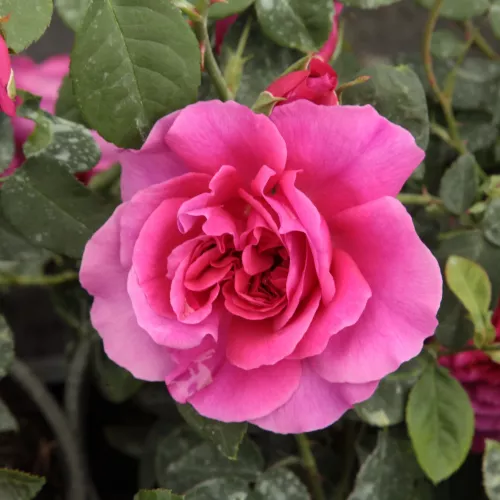
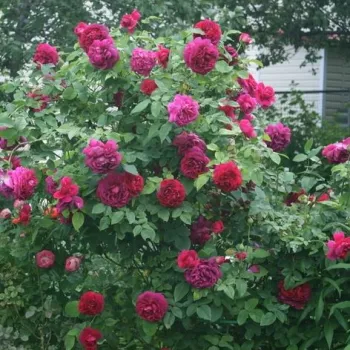
With its intensely romantic, crimson blooms and rounded rosette form, The Dark Lady brings classic English character to compact front gardens and cottage-style borders. This bushy, upright habit makes it easy to position in small beds, while its medium maintenance needs suit busy households wanting reliable colour rather than complicated care. Bred by David Austin, it repeat-flowers generously through the season, rewarding regular deadheading with fresh waves of flowers. As an own-root shrub, it develops a long-lived, stable framework that matures steadily, thriving even where you need to manage wetter ground with improved drainage and simple soil preparation. Its medium, old-rose fragrance adds traditional charm without overwhelming smaller spaces. Over time, the plant knits into a dense, leafy bush that anchors the planting scheme and supports a consistent look year after year, giving you time to enjoy your garden rather than constantly tending it.
Usage options
| Target area |
Reasoning |
| Front garden feature shrub |
The Dark Lady forms a well-filled, bushy shrub around 100–150 cm high, ideal as a welcoming feature near the front door or along a path. Its rounded outline stays tidy with only light annual pruning, so it suits those wanting structure without intricate shaping – perfect for the style-conscious beginner. |
| Romantic cottage-style bed |
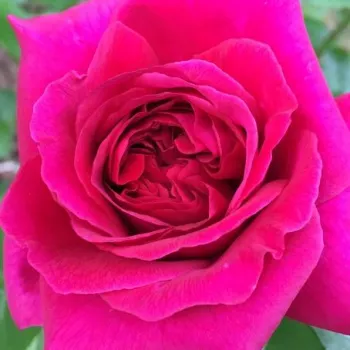
The deeply cupped, rosette blooms and rich crimson colour fit effortlessly into traditional cottage-style mixes with lavender, salvias or hardy perennials. The very full flowers give a classic, romantic look from a single shrub, so you can create impact without planning complex plant combinations – ideal for lovers of relaxed cottage-gardens. |
| Small group planting (1–3 shrubs) |
Planting one to three shrubs at the recommended distances creates a dense, long-lived group that fills space steadily. As an own-root rose it establishes a durable framework that recovers well from harsher winters or pruning adjustments, supporting a stable display for many seasons – reassuring for long-term homeowners. |
| Mixed border with perennials |
Its upright, bushy habit and dark green foliage make an effective backdrop for lighter-toned perennials. While the blooms are full and showy, the shrub itself stays compact enough for typical British borders, giving structure without overwhelming neighbouring plants – a reliable choice for busy gardeners. |
| Family garden flower bed |
Medium maintenance needs mean this variety fits well into family gardens where gardening time is shared with everyday life. Routine watering in dry spells and basic feeding are usually enough to keep it flowering, while deadheading can be done as time allows, fitting around the schedule of active families. |
| Season-long colour focal point |
This cultivar remonts well, producing an initial flush followed by abundant repeat flowering when spent blooms are removed. Once the root system is established, you can expect a steadily improving show through its second and third years, giving a dependable focal point across the main season – ideal for colour-focused enthusiasts. |
| Own-root rose for long-term borders |
As an own-root plant, it gradually forms its permanent structure in your soil and climate, giving a resilient shrub that can regenerate from its base if damaged. This underpins a long planting life, making it a sound investment for borders you do not wish to replant frequently – suited to forward-planning owners. |
| Planting in large decorative containers |
Its bushy shrub form allows it to work in large containers of at least 40–50 litres, provided there is good drainage and regular watering in dry weather, especially where heavy soil in the ground would stay too wet for comfort – practical for paved areas and small-plot city-dwellers. |
Styling ideas
- Cottage Trio – Combine with lavender and meadow sage for a soft, traditional cottage feel, letting the crimson rosettes stand out against blue and purple tones – ideal for romantic-front-garden owners.
- Single Statement – Use one shrub as a stand-alone feature by a gate or path, underplanted with low-growing groundcover to show off its shape – suitable for homeowners wanting simple impact.
- Crimson Border – Plant in a mixed border with pale pinks, creams and silvers to highlight the deep carmine flowers without crowding the space – perfect for design-conscious hobby gardeners.
- Family Corner – Place near a seating area where its old-rose fragrance and repeat blooms can be enjoyed on summer evenings – good for families who relax outdoors.
- Patio Centrepiece – Grow in a 40–50 litre container on a terrace, with trailing perennials or herbs cascading over the rim to soften the pot – fitting for small, paved-city gardens.
Technical cultivar profile
| Parameter |
Data |
| Name and registration |
English shrub rose from the English Rose Collection, registered as AUSbloom and traded as The Dark Lady, crimson English rose, in the romantic rose commercial group. |
| Origin and breeding |
Bred by David Austin Roses Ltd in the United Kingdom from ‘Mary Rose’ × ‘Prospero’, introduced and registered in 1991 after selection in 1990 breeding work. |
| Growth and structural characteristics |
Bushy, upright shrub rose reaching about 100–150 cm in height and spread, with dense, slightly glossy dark green foliage and moderate prickliness on the shoots. |
| Flower morphology |
Large, very full, rosette-shaped blooms with more than 40 petals, borne mainly singly on the stems, repeating well with a generous second flowering later in the season. |
| Colour data and phenology |
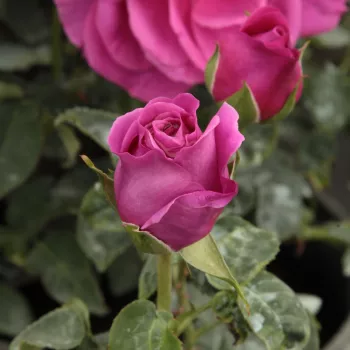
Deep, rich crimson-red flowers with carmine and purplish-red tones; colour may lighten towards pink in strong sun, remaining darker and richer in cooler conditions. |
| Fragrance and aroma |
Medium-strength, well-scented old-rose fragrance, giving a traditional English rose character around seating areas and paths without becoming overpowering in smaller gardens. |
| Hip characteristics |
Forms small numbers of spherical, red hips approximately 9–15 mm across, typically developing after flowering if spent blooms are not removed for repeat performance. |
| Resistance and winter hardiness |
Hardy to about −26 to −23 °C (RHS H7, USDA 5b), with medium disease resistance, good tolerance to black spot and powdery mildew, and moderate rust sensitivity. |
| Horticultural recommendations |
Best in a sunny position with fertile, well-drained soil; responds well to regular deadheading and seasonal feeding, with occasional plant protection in higher-disease seasons. |
The Dark Lady offers romantic crimson rosette blooms, a tidy bushy habit and dependable repeat flowering on a long-lived own-root shrub; a considered choice if you would like lasting structure and colour.