TANGER™ – pink-yellow hybrid tea rose - Dot
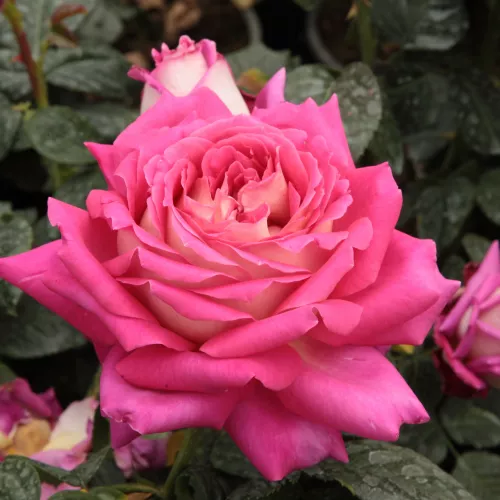
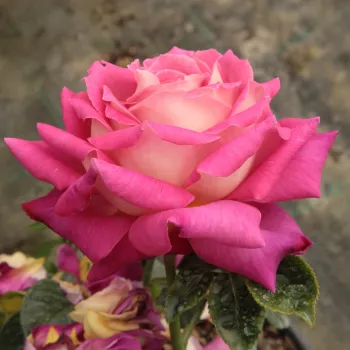
This classic hybrid tea brings a refined, two-tone display of creamy centres wrapped in vivid raspberry-pink petals, adding instant character to small front gardens and compact borders. Its compact, upright habit fits beautifully into typical British plots, where you want elegant blooms without complex rose know-how. Bred from ‘Peace’ and ‘Condesa de Sástago’, it balances nostalgic charm with modern garden value, rewarding regular deadheading with reliable remontant flowering from early summer. As an own-root plant in a 2-litre pot, it settles steadily, building a resilient root system that supports long-term longevity and makes recovery from pruning or weather stress more straightforward. Over its first years it naturally shifts from rooting, to strong shoot growth, and then to its full ornamental impact in the third season. In warmer, breezier gardens it responds well to good moisture management, coping gracefully with coastal exposure when planted in a well-prepared, free-draining border. With medium care requirements, it suits gardeners who enjoy occasional grooming for a consistently polished display.
Usage options
| Target area |
Reasoning |
| Front garden focal point |
The compact, upright bush and high-centred hybrid tea blooms create a clear visual focus beside paths, gates or front doors without overwhelming smaller plots. Its very full flowers give a refined, traditional look ideal for classic bay-window settings – perfect for beginners. |
| Small bed in a family garden |
Medium height and a tidy outline make it easy to integrate into 1–3 m² beds, where it can be underplanted with low perennials or edging plants. Moderate disease resistance reduces the need for intensive spraying, while occasional deadheading keeps the bed smart – reassuring for busy-owners. |
| Cutting patch for home bouquets |
Long, straight stems with solitary, full blooms are ideal for cutting, bringing the two-tone petals and light, fresh scent indoors. Regular cutting encourages replacement buds, so a small group of plants can supply vases over a long season – rewarding for home-florists. |
| Feature rose in a mixed cottage border |
The pink-and-cream colour contrast partners beautifully with cottage favourites such as daylilies and Oriental poppies, giving a gentle, painterly effect. Its remontant habit delivers repeat flushes among perennials, adding structure without dominating – appealing to cottage-gardeners. |
| Sunny, sheltered terrace in a large container |
In a 40–50 litre pot with good drainage, its compact framework and medium vigour adapt well to container culture. Regular watering and feeding are straightforward on a patio, and own-root growth helps it maintain shape and density over the years – ideal for patio-owners. |
| Ornamental hedge or row along a path |
Planted at 50–55 cm intervals, it forms a low, flowering line that defines paths or drive edges without becoming too tall. Repeated flushes of high-centred blooms give a neat, formal impression when lightly pruned each winter – a good option for order-lovers. |
| Beds in exposed or coastal town gardens |
Moderate height and a fairly sturdy framework help it stand up to wind when sited in well-prepared, free-draining soil with reliable watering, supporting resilience in breezier, salt-laden air while avoiding waterlogging in heavy ground – helpful for coastal-gardeners. |
| Long-term rose border planting |
As an own-root shrub, it gradually develops a balanced framework that can be refreshed by harder pruning when needed, supporting a stable display across many seasons. Over time, this makes it a dependable structural element in a dedicated rose bed – reassuring for planners. |
Styling ideas
- Gateway – flank a front gate with two specimens underplanted with low groundcover honeysuckle for year-round structure and a welcoming, traditional entrance – for homeowners who like classic symmetry.
- Cottage – weave among Oriental poppies and pastel foxgloves so the two-tone blooms rise through a haze of perennials, echoing romantic cottage borders – for lovers of soft, painterly schemes.
- Ribbon – create a low flowering ribbon along a drive with evenly spaced plants and a gravel mulch to keep maintenance light yet smart – for practical gardeners seeking neat structure.
- Terrace – plant a single rose in a 50 litre clay pot with silver-leaved herbs at the base to contrast with the rich pink petals – for balcony and patio users wanting a focal container.
- Cutting – dedicate a short row in the veg or utility garden for straight, healthy stems solely for vases, renewing the border’s look indoors – for those who enjoy arranging their own flowers.
Technical cultivar profile
| Parameter |
Data |
| Name and registration |
Hybrid tea rose TANGER™ (exhibition name ‘Tanger’), unregistered cultivar used under this commercial trade name; classified within the Hybrid Tea group for garden and cut-flower use. |
| Origin and breeding |
Bred by Pedro Dot in Spain in 1949 from ‘Condesa de Sástago’ × ‘Peace’; introduced by Rosas Dot, reflecting mid-20th-century hybrid tea breeding focused on refined form and strong bicolour effects. |
| Growth and structural characteristics |
Compact, upright shrub typically 85–115 cm tall and 65–95 cm wide, with mid-green, slightly glossy foliage of moderate density and a moderately thorny framework that supports solitary exhibition-type blooms. |
| Flower morphology |
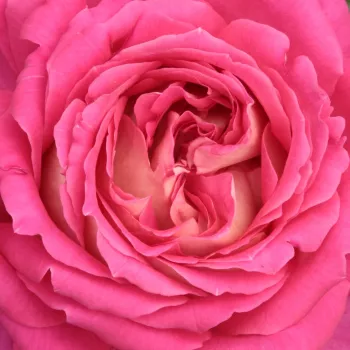
Very full, chalice-shaped, medium-sized blooms with more than 40 petals, borne mainly singly on stems; remontant habit with a generous second flush when regularly deadheaded and given appropriate feeding. |
| Colour data and phenology |
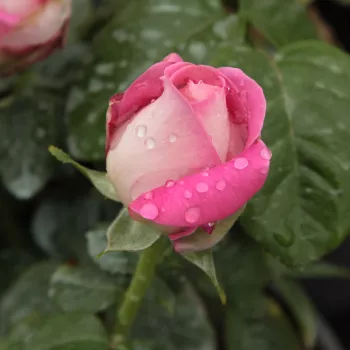
Strong two-tone effect: deep pink outer petal surfaces and creamy, peach-tinted inner petals; colours soften to salmon-rosy and cream with age, with red tones fading faster in strong sun than in cooler conditions. |
| Fragrance and aroma |
Light, fresh fragrance of understated intensity; pleasant at close range without dominating nearby seating areas or cut arrangements, making it suitable for mixed borders and indoor use where strong scents are not desired. |
| Hip characteristics |
Occasionally develops small, egg-shaped hips 8–12 mm across, coloured red (RHS 46A); not primarily grown for fruit display but hips can add a discreet seasonal accent if spent blooms are left uncut late in the year. |
| Resistance and winter hardiness |
Rated to about −21 to −18 °C (RHS H7, USDA 6b, Swedish zone 3); moderate disease resistance, with resistance to powdery mildew and black spot, but only moderate rust resistance, requiring standard monitoring. |
| Horticultural recommendations |
Prefers a sunny position with regular watering in dry spells and fertile, well-drained soil; medium maintenance, needing deadheading and winter pruning, with planting distances of 50–90 cm depending on garden use. |
TANGER™ offers refined two-tone blooms, a compact, reliable habit and own-root durability that rewards simple care over many seasons, making it a considered choice for those planning a lasting rose feature.