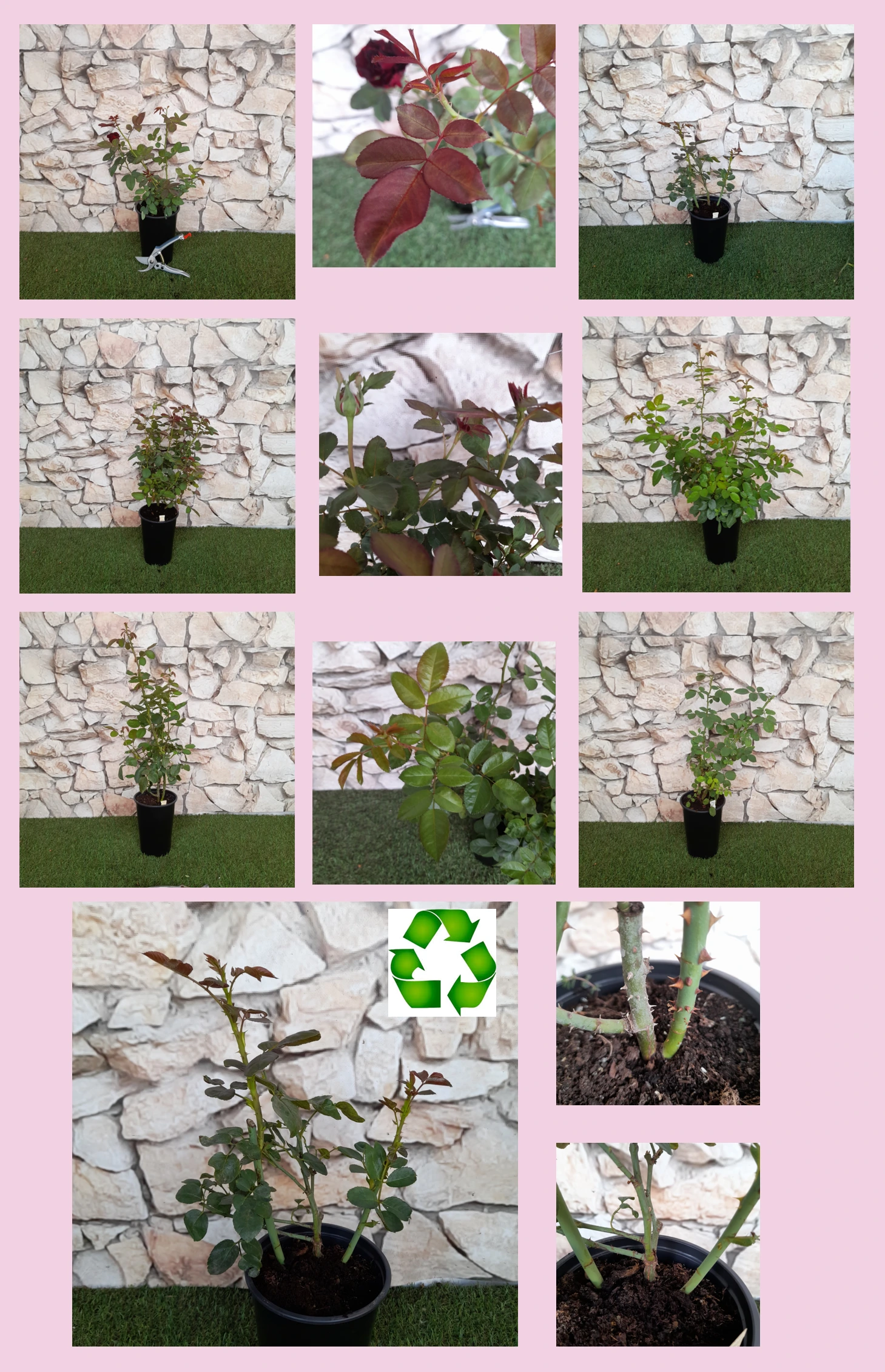
SWEET SONATA – peach-pink flower-bed floribunda rose - Meilland
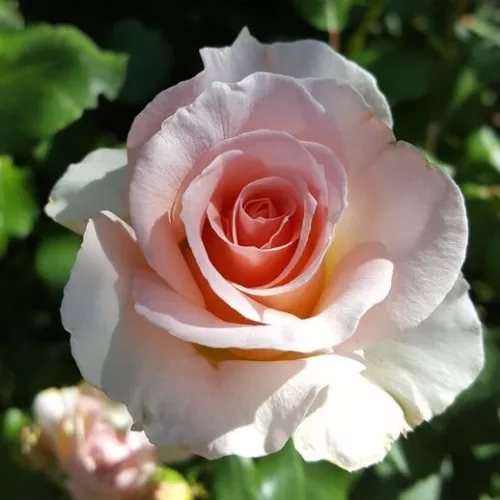
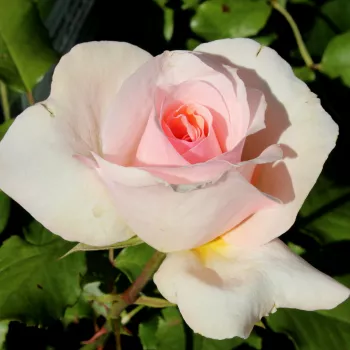
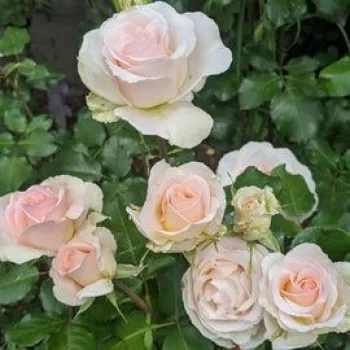
romantic blooms and a reliable bush habit make Sweet Sonata an easy choice when you want a gentle, cottage-style accent without complex gardening. Its compact floribunda form fits neatly into small borders and front gardens, while the soft peach-pink flowers with a creamy heart add a harmonious note to brickwork, gravel drives and clipped hedges. On its own roots it develops steadily into a long-lived, well-anchored shrub that copes with typical British conditions, even where soil and weather bring occasional heavy rain and strong winds in exposed spots. Mild, fruity fragrance and very double petals create a truly ornamental effect, yet care remains manageable for hobby gardeners. Given time, it follows a natural progression from root-building to strong shoots to full garden presence over three seasons, ensuring a lasting part in your planting scheme.
Usage options
| Target area |
Reasoning |
| Front garden focal point |
Sweet Sonata’s romantic, very double blooms and bushy, upright habit create an immediate welcome near the front door or along a path, giving a classic look with relatively simple seasonal tasks – reassuring for the beginner. |
| Small flower bed in a family garden |
The compact spread and moderate height let you plan tidy beds near lawns or play areas, with enough structure to look intentional but not overpower a modest plot – ideal for the busy homeowner. |
| Low informal hedge or edging row |
Planted 55–65 cm apart, Sweet Sonata forms a soft, flowering line that gently defines driveways or paths, combining structure with a light, airy feel that suits relaxed cottage-style layouts for the style-conscious gardener. |
| Mixed cottage border with perennials |
The peach-pink flowers blend beautifully with blues, mauves and creams, allowing you to weave it between perennials for a long-lived, romantic highlight that matures gracefully for the creative planner. |
| Own-root specimen in a feature spot |
As an own-root shrub, Sweet Sonata thickens from the base over time, recovering well from harder pruning and remaining stable in form, which suits long-term planting schemes for the patient collector. |
| Large container on patio or terrace |
In a 40–50 litre container with good drainage, its bushy growth and repeat flowering give months of colour close to seating areas, while routine watering and feeding remain straightforward for the balcony or patio owner. |
| Partially shaded side garden |
This rose tolerates partial shade, so it can brighten side returns or east-facing fronts where sun is limited, offering dependable flowers with modest care demands, encouraging the time-poor urbanite. |
| Planned long-term rose and shrub scheme |
With robust hardiness and a reliable own-root framework, Sweet Sonata fits well into long-term designs that must weather occasional heavy rain and coastal winds, supporting stable structure for the forward-thinking planner. |
Styling ideas
- Cottage Pathway – line a narrow front path with Sweet Sonata and low lavender, creating a soft transition from pavement to door – perfect for lovers of traditional cottage character.
- Brickwork Accent – plant in front of warm brick walls with white campanulas and catmint to echo the peach tones and soften hard edges – ideal for owners of townhouses and terraces.
- Pastel Island – form a small island bed in lawn with three Sweet Sonata and pale foxgloves for vertical contrast – suited to families wanting an easy focal point.
- Romantic Patio – grow one plant in a 50 litre terracotta pot with trailing thyme around the rim, placing it by seating for fragrance and colour – great for balcony and courtyard gardeners.
- Wildlife-Friendly Frame – use Sweet Sonata as a gentle backdrop to more wildlife-supporting perennials and shrubs, offering colour while other plants feed pollinators – thoughtful for ecologically minded households.
Technical cultivar profile
| Parameter |
Data |
| Name and registration |
Floribunda bed rose from the Romantica collection, registered as MEIoffic, marketed as Sweet Sonata Romantica and Johann Strauss in exhibitions; bush rose type for ornamental garden use. |
| Origin and breeding |
Bred by Alain Meilland from ‘Flamingo’ × (‘Pink Wonder’ × ‘Tip Top’), introduced by Meilland International in France in 1993; developed in Germany with emphasis on floribunda garden performance. |
| Growth and structural characteristics |
Bushy shrub reaching about 105–135 cm high and 75–105 cm wide, lightly thorned with dense, slightly glossy dark green foliage that clothes the framework and supports a full, rounded outline. |
| Flower morphology |
Large, very double, cup-shaped blooms with over 40 petals, usually borne singly on stems; remontant flowering pattern with an abundant second flush extending the ornamental season in the garden. |
| Colour data and phenology |
Soft peach-pink flowers with a yellowish base; buds are pale pink with a warm tint, opening salmon-apricot then fading to pastel pink and cream, with colour retention classed as poor in strong sun. |
| Fragrance and aroma |
Mild, fresh fruity fragrance that is noticeable at close quarters without being overpowering, adding a gentle sensory layer suitable for seating areas and smaller gardens where strong scent is not desired. |
| Hip characteristics |
Rosehip production is limited by the very double blooms; occasionally small spherical orange-red hips, about 8–12 mm across, may develop and can add subtle late-season interest if left on the plant. |
| Resistance and winter hardiness |
Fully hardy to approximately –26 to –23 °C (RHS H7, Swedish zone 4, USDA 5b); disease resistance is low, with high susceptibility to powdery mildew, black spot and rust, so protection is recommended. |
| Horticultural recommendations |
Best in well-prepared beds or large containers; allow 55–65 cm between plants depending on use. Needs regular feeding, watering and plant protection, particularly in humid seasons and dense plantings. |
SWEET SONATA Romantica MEIoffic offers romantic repeat flowering, a compact habit and long-lived own-root reliability, making it a considered choice if you value enduring colour from a manageable garden rose.