SUTTER'S GOLD – yellow climbing rose - Weeks
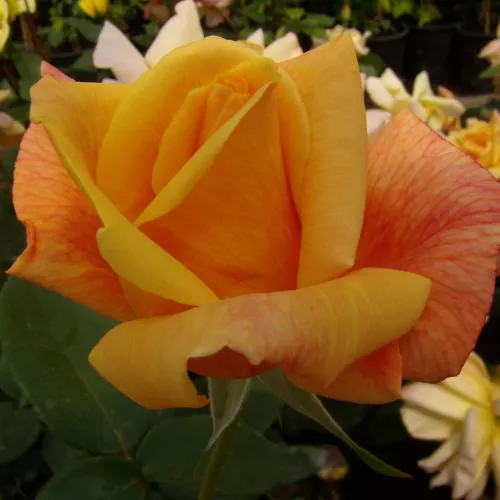
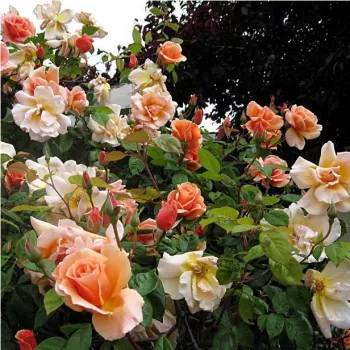
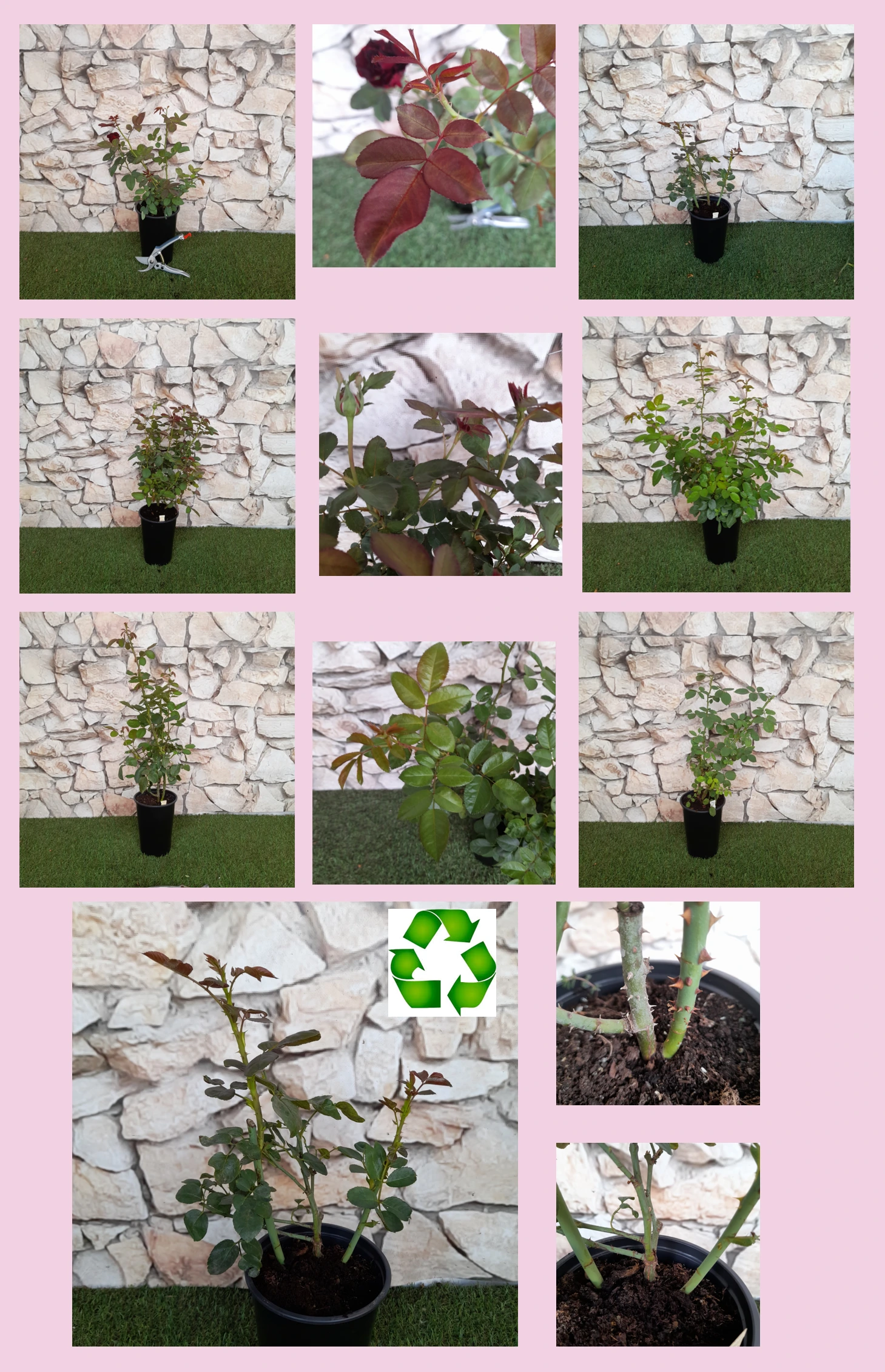
Fragrant and glowing with rich golden-yellow flowers, Sutter’s Gold Climbing rose brings classic hybrid tea elegance to walls, fences and archways while remaining reassuringly reliable for everyday family gardens. Bred for superb flower form and scent, it repeats generously through the season, so you can enjoy exhibition-quality blooms outdoors and as cut flowers with only modest upkeep. Its healthy, bushy habit and proven disease resistance make it a genuinely easy-care choice, even where summer humidity and showers demand dependable varieties that cope well with breezy, damp conditions near the coast. As an own-root plant it settles in securely and can regenerate from its base over time, giving long-lived structure to small beds, cottage-style fronts and around-the-house borders. In a typical garden setting you will notice strong root establishment in the first year, taller flowering shoots in the second, and by the third year a well-furnished, mature framework of stems with an impressive display of colour.
Usage options
| Target area | Reasoning |
|---|
| Front garden feature climber on a wall or fence |
The bushy, upright habit and moderate height make it ideal for front boundaries where you want a structured yet manageable climber that will not overwhelm a small space. Reliable rebloom and strong scent provide a welcoming focal point beside the front door for the busy home gardener. |
| Season-long scented display near seating areas |
Its strong, sweet-spicy fragrance and repeat flowering mean you can enjoy waves of scented blooms from late spring onwards, with only light deadheading and occasional feeding. This suits those who value atmosphere and comfort in compact family gardens and small patios. |
| Classic cottage-style mixed border |
Golden-yellow, hybrid tea-shaped flowers add a traditional cottage note among perennials and herbs, while healthy dark foliage provides a stable backdrop. Own-root growth helps it knit into established borders over time, supporting long-term, low-fuss planting schemes for style-conscious beginners. |
| Cutting garden and floral arranging corner |
Large, well-formed, double blooms borne mostly singly on stems lend themselves beautifully to vases and informal bouquets. Repeat flowering ensures a regular supply of quality blooms without complicated pruning, suiting home florists who want reliable, fragrant stems for the house. |
| Training over a low arch, pergola end or trellis |
Its moderate climbing height and upright framework allow flexible training over garden structures without excessive vigour. Over a few seasons it builds a permanent, woody framework that can be lightly shaped rather than drastically pruned, ideal for those preferring simple, occasional maintenance. |
| Small group planting in beds and narrow borders |
Planted in groups of 1–3, its consistent flower form and colour create a cohesive look in small beds, especially in front gardens. Recommended spacings allow each plant to develop a sturdy shape, making it easier to keep borders tidy for homeowners with limited time. |
| Containers and large patio planters |
In a minimum 40–50 litre container with good drainage, it can be trained as a compact climber or pillar rose, giving height and fragrance where borders are scarce. Own-root resilience helps long-term performance in pots, fitting well with urban patios and balcony-style outdoor rooms. |
| Family garden rose for long-term structure |
High disease resistance and hardiness reduce the need for spraying or special protection, while the own-root habit allows the plant to recover from damage and age gracefully. Over the years it becomes a dependable upright framework, suiting those who want a lasting, low-input rose in a lived-in family garden for the beginner. |
Styling ideas
- Golden welcome – Train Sutter’s Gold along a front-garden fence, underplanted with lavender and sea thrift to echo its sunny tones – ideal for homeowners who want a warm, classic entrance with minimal fuss.
- Cottage arch – Pair it on an arch with a soft pink climber and creeping thyme below for a romantic cottage feel – perfect for lovers of traditional English gardens with limited space.
- Patio pillar – Grow it in a 50 litre pot around an obelisk with trailing sweet alyssum at the base – suited to balcony and courtyard gardeners seeking vertical colour and scent.
- Cutting corner – Dedicate a sunny bed with 2–3 plants, edged with herbs, to supply fragrant yellow stems for the house – appealing to hobby florists who like simple, productive plantings.
- Family backdrop – Use it as a flowering screen behind a play lawn, combined with easy perennials, to give long-season colour with little intervention – good for busy families who still want a smart garden.
Technical cultivar profile
| Parameter | Data |
|---|
| Name and registration |
Sutter’s Gold is a climbing sport of the hybrid tea ‘Sutter’s Gold’; sold as SUTTER'S GOLD – yellow climbing rose - Weeks, with ARS exhibition name Sutter’s Gold, Cl. |
| Origin and breeding |
Bred by O. L. “Ollie” Weeks at Armstrong Nursery, California, as a sport of ‘Sutter’s Gold’ and introduced by Armstrong Nurseries in the USA around 1950. |
| Awards and recognition |
The original ‘Sutter’s Gold’ line gained major honours including Portland Gold Medal, Bagatelle and Genova Gold Medals, AARS selection, and the James Alexander Gamble Fragrance Medal. |
| Growth and structural characteristics |
Bushy, upright climber reaching around 100–180 cm high and 80–140 cm wide, with moderately dense, slightly glossy dark green foliage and moderate prickliness on the canes. |
| Flower morphology |
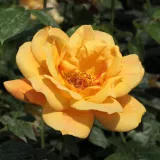
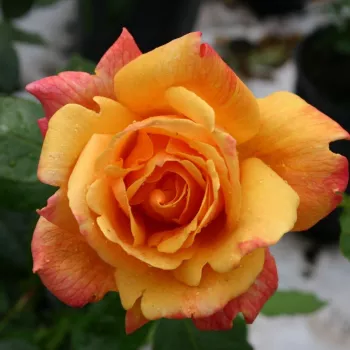
Large, double, cup-shaped blooms with approximately 26–39 petals, mainly solitary on stems; remontant with abundant second flushes, though spent blooms often benefit from manual deadheading. |
| Colour data and phenology |
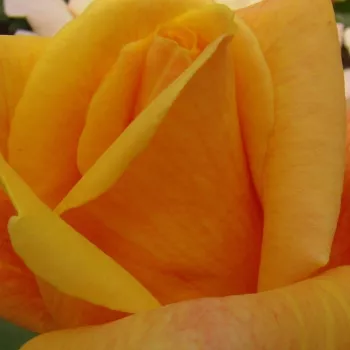
Rich golden yellow with orange undertones; buds coppery-gold, opening deep golden and lightening to lemon yellow, fading somewhat in strong sun yet maintaining a warm yellow-peach impression overall. |
| Fragrance and aroma |
Strong, distinctive rose scent with a sweet-spicy character, noticeable both on the plant and when used as a cut flower; double form limits pollinator value, making it chiefly ornamental. |
| Hip characteristics |
Rose-hip set is generally sparse due to the full double flowers; occasional egg-shaped, orange-red hips around 12–18 mm may develop, adding modest late-season interest. |
| Resistance and winter hardiness |
Shows good resistance to powdery mildew, black spot and rust; reliably hardy to about –29 to –32 °C (RHS H7, USDA 4b), tolerating summer heat if watered during extended dry spells. |
| Horticultural recommendations |
Suited to beds, specimens, containers and cutting; plant at 140–230 cm spacing depending on use, in well-drained soil, with low overall maintenance and only routine pruning and feeding required. |
Sutter’s Gold combines rich fragrance, repeat golden blooms and dependable health in an own-root climbing form that matures into a long-lived garden feature, making it a thoughtful choice for gardeners seeking lasting colour with modest effort.