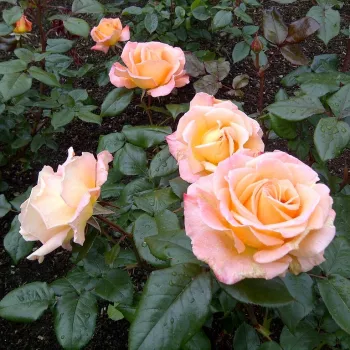
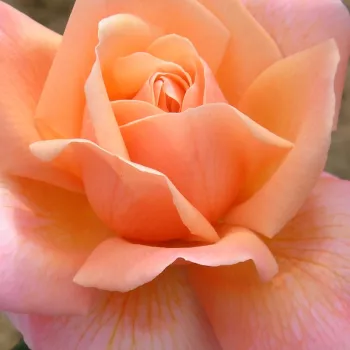
STELLERIT – orange hybrid tea rose – HARrowbond
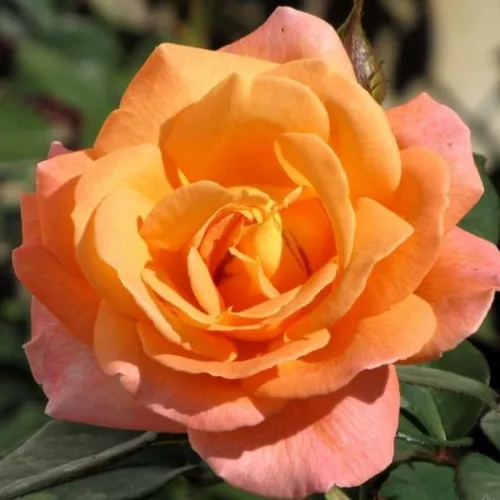
STELLERIT brings classic hybrid tea elegance into everyday gardens with its warm orange, fragrant blooms and strong exhibition-style form that still works in real-life, family spaces. Bred in Britain for hybrid tea lovers, it balances show-bench quality with reliable garden flowering, producing repeat waves of double, cup-shaped blooms that cut beautifully for the vase. Its upright, moderately leafy habit is ideal for narrow borders and front gardens where you want clear structure without overwhelming height, while its own-root vigour supports long-term longevity and steady recovery from pruning or accidental damage. In normal UK conditions it copes well with cool, damp spells and blustery weather, provided you offer decent drainage where soils are heavy, helping it anchor and perform even in exposed suburban plots. Strong, long-lasting scent and classic hybrid tea stems make it a natural choice near seating areas or paths, and it settles quickly from a 2‑litre pot into beds, borders, or a large 40–50 litre container. Over the first three years it establishes roots, then builds upright framework, before delivering its full ornamental impact as a mature, well-furnished bush that repeats reliably through summer. Moderate disease tolerance, especially to black spot, supports easier-care maintenance, while partial shade acceptance gives you flexible siting around the house or in a cottage-style mix. With thoughtful spacing and simple seasonal pruning, this rose offers structured yet soft garden colour that feels at home in both traditional and more contemporary settings, rewarding even modest effort with a long-lived, characterful presence.
Usage options
| Target area | Reasoning |
|---|
| Front garden feature rose |
The upright, hybrid tea habit and warm orange blooms give a clear focal point in modest UK front gardens, offering tidy structure without taking too much space. Regular repeat flowering keeps the entrance welcoming for visitors and passers-by, even when the rest of the garden is quite simple, which suits aesthetics-focused beginners |
| Cutting patch or cutting row |
Solitary, well-formed blooms on long, straight stems are ideal for home cutting, and the strong, citrusy fragrance holds well indoors. Planting a short row in a sunny corner gives reliable stems through summer without complicated care, while own-root durability supports many seasons of cutting for home flower arrangers |
| Small mixed border near seating |
The strong, fresh scent and medium-sized, double flowers shine when planted close to a bench or terrace edge. Moderate height lets you see over the bush while still enjoying colour and aroma at nose level, making it easy to integrate into an around-the-house bed for relaxed family gardeners |
| Large container on patio or driveway |
In a 40–50 litre pot, the upright form and glossy foliage create a smart, vertical accent beside steps, paths, or a garage. Own-root growth helps it adapt to limited soil volume over time, and simple watering and feeding routines keep the rose presentable for busy urban owners |
| Cottage-style bed with perennials |
The warm orange and peach tones weave well with mauves, blues, and soft pinks in traditional cottage mixes, echoing classic British borders. Repeat flowering between flushes of perennials keeps colour going without complex planning, which is reassuring for informal cottage gardeners |
| Family side border along a path or fence |
The moderately dense, glossy foliage and medium height help define boundaries without feeling heavy. Its own-root base gives a long-lived framework that responds well to periodic pruning, useful where you want a stable, low-maintenance line of colour for practical homeowners |
| Partially shaded town garden bed |
Suitability for partial shade means it can cope with the light levels common between houses or near taller shrubs. In such spots its repeat blooming still provides punctuation of colour, while moderate disease resistance keeps routine care manageable for time-pressed beginners |
| Exposed but well-drained border |
Once established, the upright framework and own-root anchoring help it stand up to typical British breezes and showers, provided the soil is well drained where clay is heavy. This makes it a good candidate for slightly exposed front or corner plots for coastal and suburban gardeners |
Styling ideas
- Cottage Harmony – pair STELLERIT with delphiniums and Russian sage to echo traditional borders while its repeat orange blooms keep colour between perennial flushes – ideal for lovers of classic cottage style
- Perfumed Entrance – plant one or three along a path by the front door so the strong citrusy fragrance greets you daily – suited to homeowners wanting scent without complex planting schemes
- Patio Focus – grow a single bush in a 40–50 litre terracotta pot as a vertical accent, underplanting with low herbs to soften the base – perfect for small patios and busy urban gardeners
- Cutting Corner – dedicate a sunny square in the back garden to several bushes in a grid, giving a steady supply of long-stemmed, well-shaped flowers – for enthusiasts who enjoy arranging their own roses
- Family Boundary – space plants in a loose line along a fence, mixing with low grasses for a soft, structured edge that remains attractive for years – well suited to families seeking durable, easy-care structure
Technical cultivar profile
| Property | Data |
|---|
| Name and registration |
Hybrid tea rose; registered as HARrowbond, marketed as STELLERIT and Rosemary Harkness in exhibition, belonging to the hybrid tea group for garden and cutting use. |
| Origin and breeding |
Bred by Jack Harkness, R. Harkness & Co. Ltd., Hitchin, United Kingdom, from ‘Compassion’ and a ‘Basildon Bond’ × ‘Grandpa Dickson’ cross; introduced and registered in 1985. |
| Awards and recognition |
Winner of Belfast Gold Medal for Best large-flowered hybrid tea and Most fragrant rose in 1987, Glasgow Tollcross Fragrance Award 1991, and Hamilton New Zealand Rose Trials Best Floribunda 1995. |
| Growth and structural characteristics |
Upright hybrid tea shrub, 95–125 cm tall and 75–105 cm wide, moderately thorny with moderately dense, glossy dark green foliage, forming a structured bush suitable for beds and borders. |
| Flower morphology |
Double, cup-shaped blooms with 26–39 petals, medium flower size on solitary stems, remontant habit with a notably abundant second flush, though spent blooms usually need deadheading. |
| Colour data and phenology |
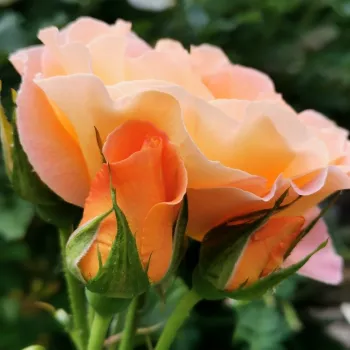
Warm orange with a peach sheen; buds orange-pink, opening to vivid orange centres and softer outer petals, fading in strong sun to paler hues but remaining richer in cooler weather. |
| Fragrance and aroma |
Strong, long-lasting scent with a fresh, citrusy character; especially rewarding when grown near paths, doors, or seating where the fragrance can be enjoyed at close quarters. |
| Hip characteristics |
Produces moderate numbers of small, 10–14 mm, red, egg-shaped hips when flowers are not deadheaded, adding discrete late-season interest and modest wildlife value. |
| Resistance and winter hardiness |
Hardy to approximately −26 to −23 °C (RHS H7, USDA 5b), with good black spot resistance and moderate tolerance of powdery mildew and rust under typical UK garden conditions. |
| Horticultural recommendations |
Best in fertile, well-drained soil with regular watering; plant 55–100 cm apart depending on use, suitable for beds, hedging, or large containers, with occasional plant protection as needed. |
STELLERIT Hybrid tea rose HARrowbond offers strongly scented, repeat-flowering orange blooms on a long-lived own-root shrub, making it a thoughtful choice for gardeners seeking dependable colour and fragrance over many seasons.