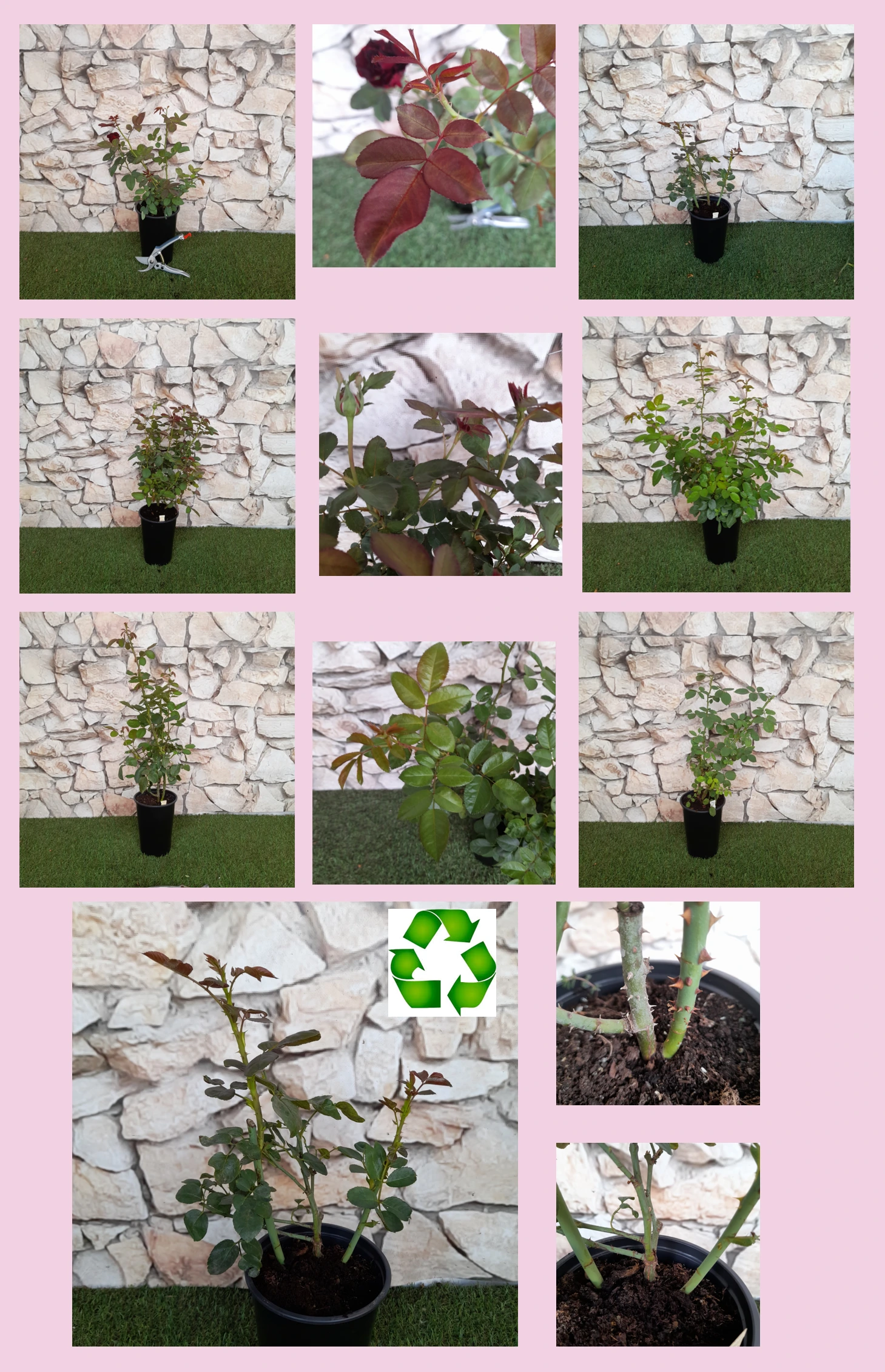
SPINNAKER AMORINA – white landscape shrub rose – de Groot
SPINNAKER AMORINA is a modern shrub rose bred for reliability, giving you dense, glossy foliage and clusters of snow-white blooms without demanding expert care. Its compact habit keeps borders orderly even in smaller front gardens, ideal when you want a neat, long-season display that copes well with coastal rain and wind through improved anchoring in the soil. The semi-double flowers appear in generous flushes, are largely self-cleaning, and are followed by small red hips for extra seasonal interest. Once established, it offers good drought and heat tolerance, plus strong disease resistance, keeping maintenance simple. As an own-root rose, it settles in steadily, so you can expect roots in year one, fuller shoots in year two and confident ornamental value by year three.
Usage options
| Target area | Reasoning |
|---|
| Low-maintenance front garden border |
The compact, bushy habit and good disease resistance make this rose ideal for tidy front garden borders that stay presentable with little intervention. Remontant flowering means colour from early summer into autumn, suiting time-poor beginners. |
| Small groups in cottage-style beds |
Planted in groups of three to five, the pure white clusters unify mixed cottage plantings and sit well among traditional perennials. Semi-double flowers offer some interest to visiting insects, pleasing wildlife-aware homeowners. |
| Edging along paths or driveways |
The recommended closer spacing allows you to create a low, continuous edging that reads as a white ribbon when in bloom. Its compact, structured growth habit keeps paths clear, supporting safety-conscious garden families. |
| Urban and roadside planting |
Very good tolerance of heat, short dry spells and air pollution makes this cultivar well suited to front gardens facing busy streets. Strong roots gradually secure it against wind and weather, reassuring exposed-site residents. |
| Informal low hedge or boundary |
Regular planting at hedge distances forms a loose, flowering boundary that needs only light annual trimming. Own-root growth means the hedge thickens steadily over time, matching the needs of low-effort garden planners. |
| Groundcover in small beds |
The spreading, compact habit and good self-cleaning combine to cover soil quickly while reducing deadheading tasks. This helps suppress weeds and keeps beds neat, which appeals to practically minded garden owners. |
| Large containers on patios or terraces |
In a 40–50 litre or larger container, the controlled height and steady repeat flowering create a reliable focal point. The rose’s resilience to heat and partial shade suits paved spaces, supporting busy urban balcony and terrace gardeners. |
| Mixed shrub and perennial schemes |
The immaculate white flowers and dark, glossy foliage blend easily with shrubs and perennials, providing long-season structure without dominating. This reliable framework is valuable for design-conscious but time-limited garden enthusiasts. |
Styling ideas
- White-ribbon border – repeat SPINNAKER AMORINA along a path at edging spacing to create a low, continuous white line – ideal for homeowners seeking a clean, architectural look with minimal pruning.
- Cottage contrast – group three roses with blue Salvia nemorosa and soft pink Spiraea japonica for a relaxed cottage bed – suited to those who like romantic, traditional front gardens without fussy maintenance.
- Urban calm – plant in a generous 50 litre container by the front door, underplant with hardy herbs for scent and texture – perfect for busy city dwellers wanting a smart, dependable entrance feature.
- Soft boundary – run a loose single row along a low fence, interspersed with slender deutzia for extra spring blossom – good for families wanting gentle privacy and flowers across several seasons.
- Monochrome matrix – mass-plant in a small bed with dark mulch and evergreen groundcover for graphic simplicity – appealing to design-led gardeners who prefer structure, clarity and little routine work.
Technical cultivar profile
| Parameter | Data |
|---|
| Name and registration |
Modern shrub landscape rose marketed as Spinnaker Amorina, registered as RUIBG0025A; belongs to the Amorina collection and offered as a pharmaROSA ORIGINAL own-root plant. |
| Origin and breeding |
Bred by Hendrikus Cornelis Adrianus de Groot from cross ‘RUIRC0106A’ × ‘RUIBA028B’; introduced 2021 by De Ruiter Innovations B.V., with registration in the same year. |
| Growth and structural characteristics |
Compact, bushy shrub typically 55–80 cm high and 55–75 cm wide, with dense, glossy dark green foliage and moderate prickliness, forming a rounded, coherent landscape bush. |
| Flower morphology |
Semi-double, cupped blooms with 13–25 petals, medium-sized at roughly 4–7 cm, produced in clusters of 10–15 flowers per stem, repeating well with a notably abundant second flush. |
| Colour data and phenology |
Pure, bright white flowers holding colour well; buds greenish white, then snow-white at opening, softening to creamy white before senescence, with a vivid yellow central ring of stamens at full bloom. |
| Fragrance and aroma |
Classed as a scentless rose with no noticeable fragrance for garden use, but its semi-double, open form offers partially accessible stamens that may attract pollinators to a moderate extent. |
| Hip characteristics |
Forms moderately developed, spherical red hips after flowering; hips measure about 4–7 mm in diameter and contribute subtle autumn interest without significantly increasing maintenance demands. |
| Resistance and winter hardiness |
Rated very hardy to around –29 to –32 °C (RHS H7, USDA 4b), showing strong resistance to black spot, powdery mildew and rust, plus good heat and moderate drought tolerance once established. |
| Horticultural recommendations |
Suitable for beds, edging, groundcover, containers and urban green spaces; tolerates partial shade and higher traffic, with suggested spacings of 45–90 cm depending on hedging, mass planting or solitary use. |
SPINNAKER AMORINA offers compact, disease-resistant, repeat flowering on an adaptable own-root framework that matures steadily, making it a sound, long-lived choice for understated white structure in family gardens.