SPANISH CARAVAN – creamy-powder-pink dwarf-mini rose - Rojewski
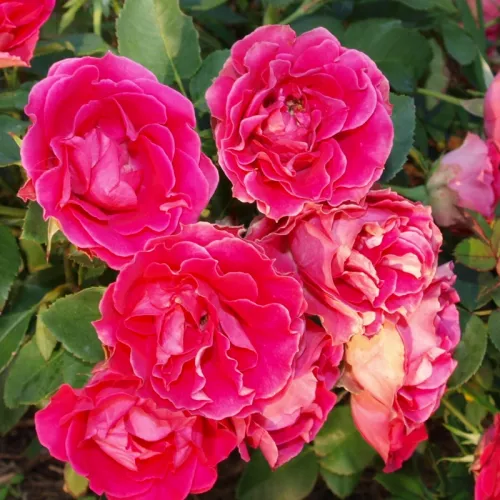
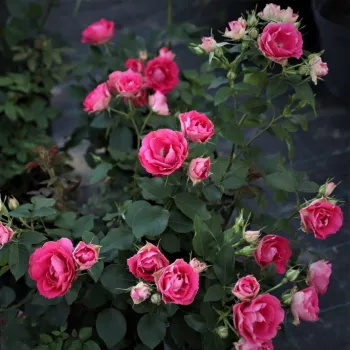
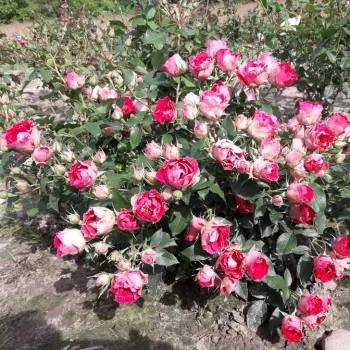
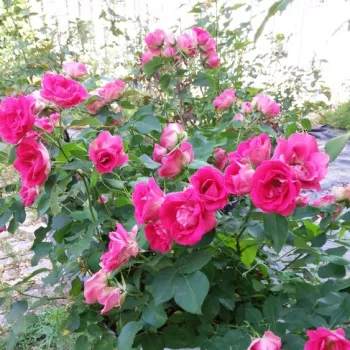
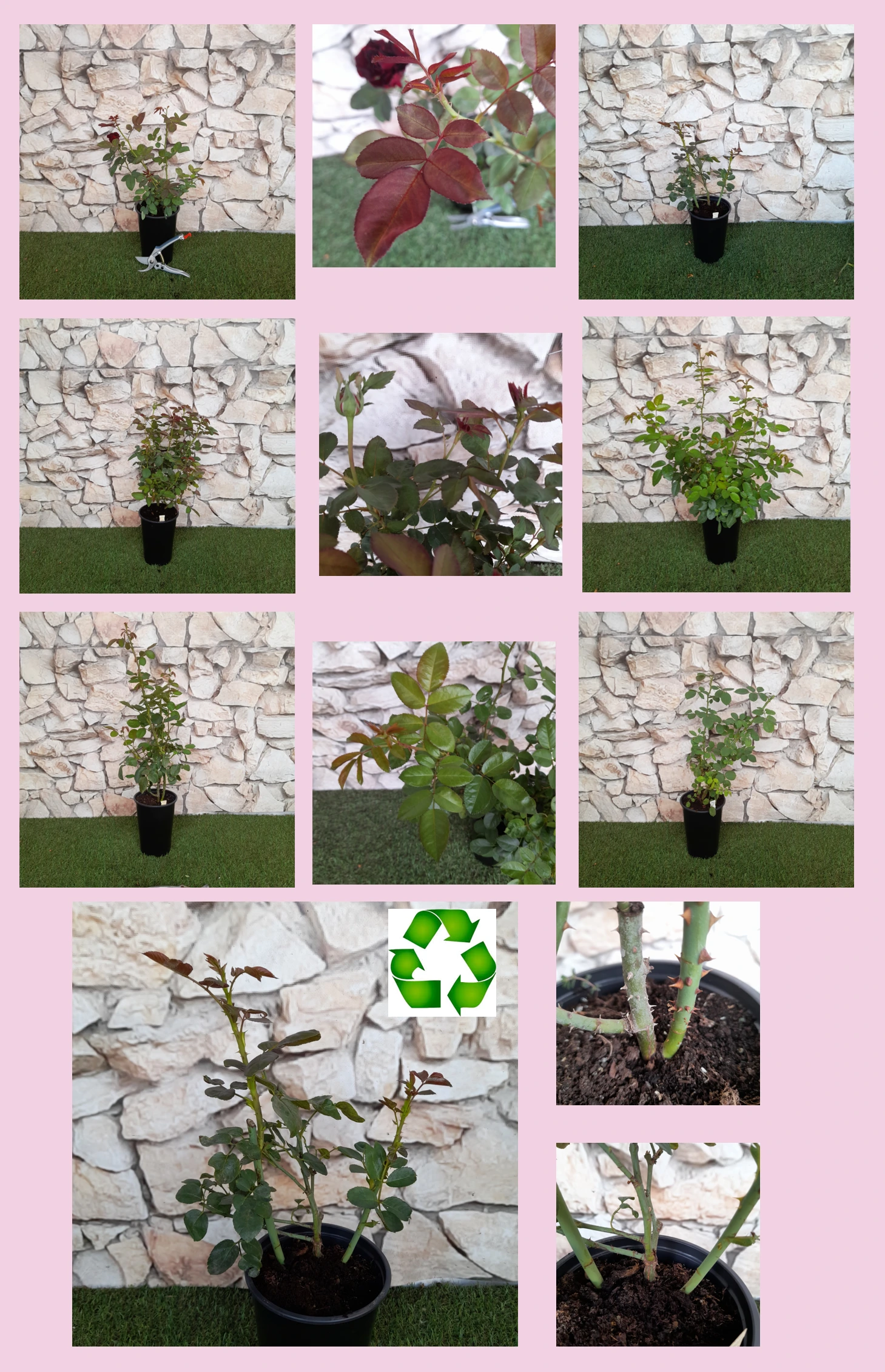
SPANISH CARAVAN is a compact miniature shrub rose that fits effortlessly into smaller British gardens, giving you an instantly neat, flowering border without complicated pruning or specialist know‑how. Its naturally tight, bushy habit stays low and rounded, ideal for edging paths, framing a front door or softening the base of walls in classic cottage-style settings. Masses of dainty, cup-shaped blooms appear in generous clusters, with a charming two-tone colour play from creamy-powder-pink buds to raspberry-pink centres, then lightening to a soft, even powder pink as they age. Remontant flowering means the plant keeps producing new clusters, so your small bed or container looks lively from early summer well into autumn with very little intervention needed. This own-root plant arrives already well established in its 2‑litre pot, ready to settle in and steadily build a long-lived, resilient structure in your garden soil. Once planted in a bright, open spot with good air circulation and consistent care, it develops into a reliable feature that tolerates heat and short dry spells, coping well even where summers bring more drought and strong sun. Its simple, open blooms are a welcome invitation to bees and other beneficial insects, enhancing the life of a family garden while staying perfectly in scale beside paths, patios and driveways. In the first year it concentrates on roots, the second on strong new shoots, and by the third year you can expect the full ornamental display that makes this miniature rose such an appealing choice for busy householders.
Usage options
| Target area | Reasoning |
|---|
| Front-garden edging along paths |
The compact, low-growing habit forms a tidy, continuous line that frames paths and driveways without overwhelming a small front garden. Regular clusters of small blooms keep the edge looking finished and colourful with modest upkeep, suiting busy beginners. |
| Small mixed borders near the house |
Its rounded shape and modest height make it easy to weave among perennials and small shrubs, adding a stable pink accent that ties planting together. As an own-root shrub it matures steadily in place, providing long-term structure in everyday family borders for home gardeners. |
| Feature groups of 3–5 plants |
Planted in a small drift, the repeated mounds of foliage and blossom create a deliberate, designed look even in compact spaces. The clusters of dainty flowers read as a single soft cloud of colour, helping less experienced gardeners achieve a cohesive effect that reassures first-timers. |
| Large containers and terrace planters |
Its dwarf stature and dense branching suit a sizeable pot of 40–50 litres, where the root system can develop fully and support repeated flowering. This gives balcony and terrace owners a reliable, long-lived rose presence close to the house, ideal for urban gardeners. |
| Cottage-style front beds with mixed textures |
The airy clusters of single blooms bring a light, informal feel that blends well with grasses and small shrubs, echoing classic cottage borders. Its repeated flowering supports a softly evolving scene through the season, appealing to lovers of traditional charm. |
| Sun-exposed, warmer garden corners |
Excellent tolerance of heat and short dry spells allows it to perform well in more exposed spots near paving or south-facing walls. Colour holds attractively under strong light, so the plant remains decorative even in hotter summers, reassuring climate-conscious gardeners. |
| Pollinator-friendly family gardens |
The single flower form with exposed stamens is easy for bees to access, adding ecological value to ornamental spaces where children play. Regular bloom flushes ensure a season-long food source while still delivering a refined look, appreciated by wildlife-lovers. |
| Neat low rose beds with clear structure |
When planted at the recommended spacing, the compact shrubs knit into a coherent, low carpet of foliage and bloom, giving clear definition to small beds. With good monitoring and care, it becomes a stable, long-lived own-root feature suited to those seeking controlled ornamentalists. |
Styling ideas
- Cottage Edge – Line a narrow front path with SPANISH CARAVAN and intersperse clumps of Stipa tenuissima for movement; suited to those wanting a classic cottage welcome with minimal complexity – beginners and style-focused owners.
- Patio Focus – Plant one rose per 40–50 litre terracotta pot, underplant with low thyme for a scented, bee-friendly terrace accent – ideal for balcony and courtyard gardeners seeking a compact, long-lived focal point.
- Soft Drift – Create a small bed of 3–5 plants, backed by Hypericum ‘Miracle’ and a single Cotinus ‘Royal Purple’ for contrast – for homeowners aiming at a designed yet manageable small-garden composition.
- Family Corner – Place near a seating area where children can watch visiting bees, combining with tough perennials like geraniums – perfect for family gardens that value wildlife interest as well as gentle colour.
- Front-Fence Line – Use as a low, informal hedge along a short front fence, keeping plants evenly spaced for a continuous pink band – aimed at busy urban gardeners needing a clear, tidy structure with simple seasonal tasks.
Technical cultivar profile
| Parameter | Data |
|---|
| Name and registration |
SPANISH CARAVAN – creamy-powder-pink dwarf-mini rose - Rojewski; miniature, small shrub rose in the Mini - dwarf rose collection, for border and container use. |
| Origin and breeding |
Bred by Łukasz Rojewski (Rojewski Roses, Poland); parentage unknown. Introduced in 2020, representing modern European miniature breeding for compact habit and ornamental cluster flowering. |
| Awards and recognition |
Bronze medal at International Rose Competition Baden-Baden 2020; Silver medal in Rome 2020 miniature category; certificate of merit at Nyon international rose trial garden, confirming strong ornamental performance. |
| Growth and structural characteristics |
Compact dwarf shrub, around 40–50 cm high and 50–60 cm wide, with dense mid-green, slightly glossy foliage and moderate prickliness; naturally rounded outline well suited to edging and low, defined plantings. |
| Flower morphology |
Small cup-shaped single blooms, 0.5–1.5 inches across, borne in clusters. Petal count averages 5–12, with good remontant behaviour and a plentiful second flush extending colour through the main season. |
| Colour data and phenology |
Creamy-powder-pink buds open to raspberry-pink centres with paler, creamy edges (RHS 65C/65D); flowers lighten to uniform powder pink while remaining decorative, with colour holding attractively even in rainy conditions. |
| Fragrance and aroma |
Fragrance is very weak to barely perceptible, so it is chosen primarily for visual effect and garden structure rather than scent, fitting sites where discreet or minimal fragrance is preferred. |
| Hip characteristics |
Produces few hips; occasional small spherical orange-red fruits around 6–8 mm in diameter may form, adding limited late-season interest without detracting from the plant’s compact outline. |
| Resistance and winter hardiness |
Extremely hardy (USDA 3b, RHS H7, approx. –37 to –34 °C), with excellent heat and drought tolerance; however, very susceptible to major bud and foliar diseases, requiring regular protection and close monitoring. |
| Horticultural recommendations |
Best in sunny, open sites with good air movement; maintain consistent watering and feeding, plus preventive sprays where disease pressure is high. Suitable spacing: 35–60 cm depending on use and planting pattern. |
SPANISH CARAVAN offers a compact, heat-tolerant, repeat-flowering mound of soft pink colour that fits neatly into beds or larger containers, and as an own-root rose it develops into a durable, well-shaped feature worth considering for long-term planting.