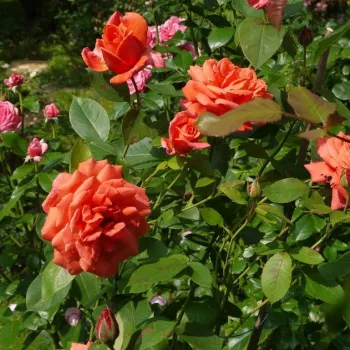
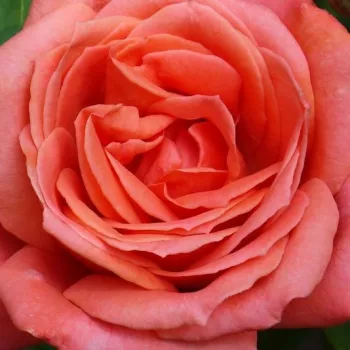
Soyeuse de Lyon hybrid tea rose – DUCsoy
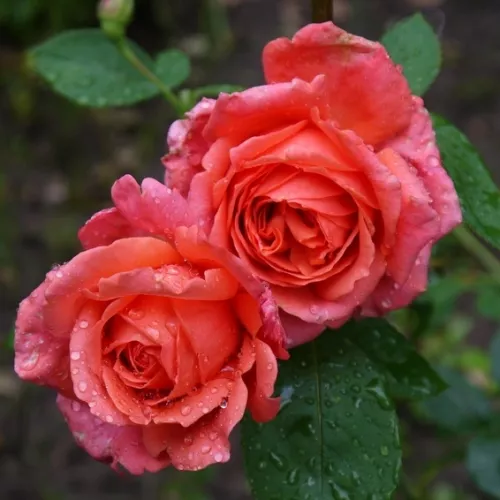
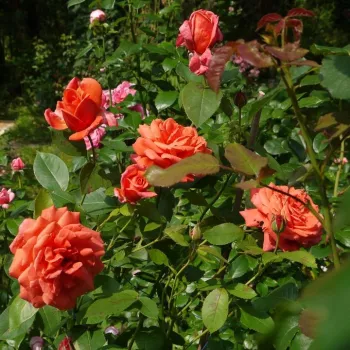
This elegant hybrid tea is bred for reliability in everyday gardens, combining refined, salmon-orange blooms with modern health for low maintenance. Its bushy, upright habit stays naturally orderly in small beds and front gardens, while remontant flowering keeps new buds and cupped blooms coming through the season. As an own-root plant it develops a stable framework that matures steadily, supporting a long-lived, enduring rose bush that fits classic cottage mixes and smart front borders alike. With resistant foliage that copes well in typical British humidity and rainfall by reducing common fungal problems, it offers dependable performance even where space is tight. In the first years it focuses on roots, then structure, then full ornamental impact, giving you a planting you can trust to settle in and improve year after year.
Usage options
| Target area | Reasoning |
|---|
| Front garden feature rose |
The bushy yet upright habit forms a tidy vertical accent that looks composed at the edge of drives or paths without sprawling onto walkways. Medium height keeps flowers at eye level, giving structure without overpowering small plots, ideal for visually minded beginners. |
| Low-maintenance family flower bed |
Good resistance to black spot, mildew and rust means fewer sprays and less troubleshooting, particularly helpful in damp British summers. Once established, routine deadheading and basic feeding are usually enough to keep the plant performing, which suits time-pressed home gardeners. |
| Small groups in cottage-style borders |
Planted in clumps of three to five, the even, bushy growth creates a coherent block of colour that slips naturally into mixed cottage schemes. Own-root growth provides steady, long-term structure so the group matures into a dependable backdrop for perennials and bulbs, reassuring style-focused owners. |
| Cutting garden and house bouquets |
Large, cupped, double blooms on sturdy stems lend themselves to cutting, with refined salmon-orange tones that blend well indoors. The mild, pleasant fragrance adds subtle charm without dominating arrangements, making it a practical choice for those who enjoy simple home-picked vases. |
| Season-long colour focus point |
Remontant flowering with a strong second flush provides repeated displays from early summer onwards. The colour shifts gently from warm orange-salmon to softer peach-pink, so the same plant offers evolving tones through the season for gardeners wanting ongoing interest from a single, reliable planting. |
| Compact rose hedge or boundary line |
Regular spacing at 50–60 cm forms a low, coherent line that defines paths, drives or vegetable plots without becoming oppressive. The upright, bushy habit makes shaping straightforward, while resilient foliage helps the hedge maintain an attractive appearance, supporting those who prefer simple, organised layouts. |
| Containers and large patio planters |
Its moderate height and upright structure suit large pots of at least 40–50 litres, where the root system can develop fully and support long-term growth. Using a generous container with good drainage helps the plant cope with wind and rain on exposed patios, which benefits urban balcony and courtyard users. |
| Mixed borders on heavier or challenging soils |
Planted in improved, free-draining pockets or raised sections, the strong bush form anchors well and holds its shape even in wetter, windier sites, giving reliable structure in typical UK conditions with higher fungal pressure. Over time the own-root base supports regeneration, appealing to gardeners planning for longevity. |
Styling ideas
- Classic-front-border – Line a short run beside a path with Soyeuse de Lyon and alternate with low box or small evergreens for year-round structure – for owners who like a neat, traditional frontage.
- Cottage-trio – Plant three roses together and weave in lavender and catmint to echo the salmon-orange blooms with soft blues and mauves – for those seeking relaxed cottage charm with easy care.
- Colour-focus-bed – Use a small square bed with Soyeuse de Lyon at the centre, edged with white flowering perennials to highlight the warm peach-pink tones – for gardeners who want one dependable focal point.
- Patio-centrepiece – Grow a single plant in a 50-litre terracotta pot with trailing thyme around the rim, creating a refined, upright accent by seating or doors – for balcony and terrace users needing contained structure.
- Cutting-corner – Dedicate a sunny border strip to several plants in a row, underplanted with hardy herbs, giving a steady supply of straight-stemmed blooms for vases – for home florists who enjoy simple, regular cutting.
Technical cultivar profile
| Characteristic | Data |
|---|
| Name and registration |
Hybrid tea rose, registered as DUCsoy; marketed as Soyeuse de Lyon hybrid tea rose DUCsoy. Belongs to the hybrid tea group, suitable for garden and cutting use. |
| Origin and breeding |
Bred by Fabien Ducher at Roseraie Ducher, France, and introduced in 2007. Parentage is not recorded, but selection focuses on garden performance and ornamental value. |
| Awards and recognition |
Chosen by Lyon City Council as the official commemorative rose for the 150th anniversary of the Parc de la Tête d’Or in 2007, underlining its decorative and civic appeal. |
| Growth and structural characteristics |
Forms a bushy, upright shrub around 105–135 cm tall and 60–85 cm wide, with moderately dense, dark green, slightly glossy foliage and moderate thorniness along the shoots. |
| Flower morphology |
Produces large, cupped, double blooms with approximately 26–39 petals, usually borne singly on stems. Repeat-flowering habit gives a strong second flush after the initial display. |
| Colour data and phenology |
Medium salmon-orange blooms with pink undertones; buds bright orange, then warming to orange-salmon and finally soft apricot-pink as they age. RHS shades around 25C–25D in different petal zones. |
| Fragrance and aroma |
Fragrance is mild and pleasantly understated, giving a gentle rose scent rather than a powerful perfume. Double flowers largely conceal stamens, so pollinator value is limited. |
| Hip characteristics |
Occasionally forms small, spherical red hips about 8–12 mm across, adding subtle seasonal interest in late season where flowers are left uncut to develop fully. |
| Resistance and winter hardiness |
Shows good resistance to black spot, powdery mildew and rust under normal garden conditions. Hardy approximately to −21 to −18 °C (RHS H7, roughly USDA zone 6b; Swedish zone 3). |
| Horticultural recommendations |
Well suited to beds, specimen planting and cutting. Plant about 50–60 cm apart for hedging or groups, 90 cm for specimens, providing fertile, well-drained soil and regular watering while establishing. |
Soyeuse de Lyon hybrid tea rose DUCsoy combines reliable repeating blooms, strong disease resistance and a stable own-root habit for long-lived structure; a thoughtful choice if you want lasting colour with minimal complication.