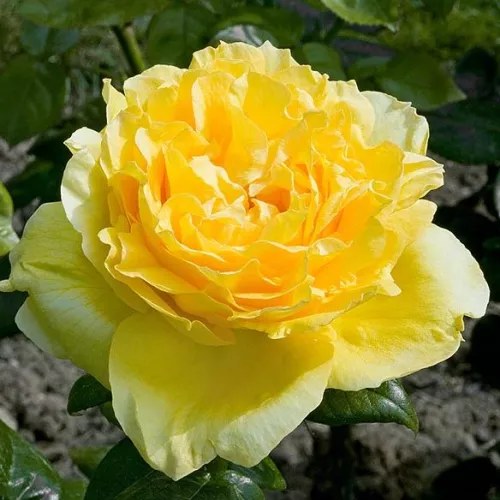
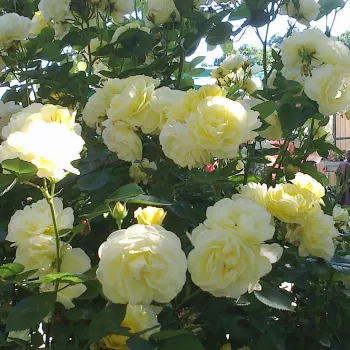
Bright, pure lemon-yellow petals with a uniform colour across the surface. - hybrid tea rose - very strong, garden-filling scented rose - fresh, citrusy
– Intense, pure lemon-yellow hybrid tea blooms.
– Very strong, fresh citrus fragrance.
– Healthy foliage with high disease resistance.
– Reliable repeat flowering through the season.
– Ideal for cutting, beds and specimen use.
– Special feature: Awarded for both beauty and outstanding fragrance in leading European trials.
Refined garden style – Featuring real photos
pharmaROSA® ORIGINAL 2-litre own-root potted rose
21,20 £
Unfortunately, we are currently unable to ship to the United Kingdom; we only deliver to countries within the European Union. For more information, please contact us!
3.5(5474)
Souvenir de Marcel Proust™ – yellow hybrid tea rose
Cottage gardens and classic front borders suit this refined, citrus-scented rose perfectly, giving You abundant, lemon-yellow blooms on a compact, bushy plant that fits easily into smaller family plots. Its fragrance is intense and garden-filling, yet the plant itself remains manageable and well behaved, with resistant foliage that helps it cope in damper British seasons where fungal problems can otherwise dominate. As an own-root rose it matures steadily, rewarding You with long-term stability and reliable structure. Provide reasonable drainage in heavier soils so the roots can anchor well and develop, then enjoy the reassuring rhythm of a plant whose roots establish in the first year, whose shoots and shape consolidate in the second, and whose flowers reach full ornamental value by the third, creating a lasting feature for everyday enjoyment.
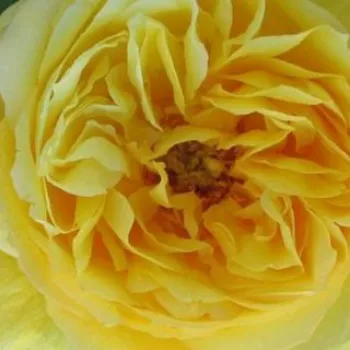
Freshly opened yellow bloom of Souvenir de Marcel Proust™.
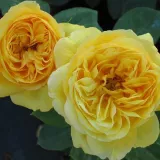
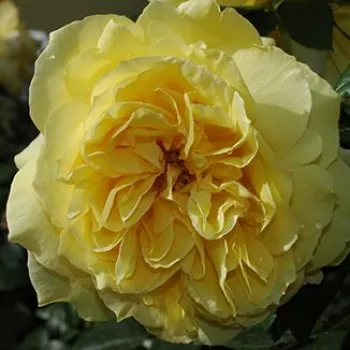
Souvenir de Marcel Proust rose in bright yellow full bloom.
Usage options
Target area
Reasoning
Front garden focal point near the entrance
The very strong, fresh citrus fragrance and glowing lemon-yellow blooms make this rose ideal by a front path or doorway where You pass daily. Its compact, bushy habit prevents it from overpowering narrow beds, while still giving a clear focal point. Best for those who want everyday sensory pleasure with minimal complexity in a small space – busy homeowners
Classic rose bed or mixed border
Reliable repeat flowering with an abundant second flush provides colour in several waves through the season, so a small group will keep a bed lively without constant replanting. The clear yellow works well with traditional perennials, giving a coherent cottage style. Ideal if You want long, colourful display from a single planting decision – hobby gardeners
Small groups of 3–5 for structure in family gardens
A naturally bushy, moderately dense framework creates neat, rounded shrubs that read as tidy “units” in a design, easy to position in front or middle borders. Planting in small groups at the recommended spacing builds a structured look without complex layout plans. Suitable for those seeking simple, easy-to-repeat garden structure – design-conscious beginners
Low-maintenance ornamental spot under windows
Good overall disease resistance, including resilience to black spot and mildew, keeps foliage presentable beside the house where blemishes are very visible. With routine watering and feeding, it remains attractive with comparatively little intervention, suiting an ornamental strip You see from indoors. A sound choice if You want “plant and enjoy” reliability – time-pressed families
Cutting patch for scented indoor flowers
Large, semi-double, cup-shaped blooms on hybrid tea stems make excellent scented cuts, so a small row or corner can supply vases without constant trips to the florist. The rich perfume fills rooms easily, extending enjoyment beyond the garden itself. Ideal if You like to bring your own flowers indoors across the summer – home decorators
Feature rose in a cottage-style planting mix
The bright, pure yellow flowers combine beautifully with pastel foxgloves, catmints or lavender, giving a traditional cottage feel without becoming visually muddled. Its consistent height of around 70–100 cm makes planning around classic perennials straightforward. Suited to those wanting romantic style without advanced plant knowledge – cottage-garden lovers
Roses for wetter, disease-prone regions
High resistance to common fungal diseases offers welcome reassurance where cool, damp summers can be challenging, meaning fewer chemical sprays and less disappointment. Good health keeps the plant ornamental over many years, making it a sound long-term investment. Helpful for gardeners in humid, rain-exposed districts – practical planners
Large patio container or courtyard pot (40–50 litres minimum)
Its moderate size and bushy form make it well suited to a substantial pot where drainage can be controlled and roots are protected from waterlogging in heavy clay, provided the container is at least 40–50 litres. This brings strong fragrance and vivid colour right onto a terrace, step or balcony. Best for those creating a low-effort, high-impact seating-area display – urban balcony-owners
Styling ideas
Sunlit axis – Position a trio along a front path with box or dwarf yew edging so the yellow blooms lead the eye to the door – for homeowners wanting welcoming, classical structure.
Cottage drift – Mix with lavender, catmint and soft pink geraniums in a loose border so the bushy form adds order within relaxed planting – for lovers of informal English cottage style.
Scented corner – Plant by a bench or patio table where the very strong citrus fragrance can be enjoyed on summer evenings – for those who value calm, sensory garden moments.
Cutting row – Arrange a simple single row in the veg or utility area to supply bright, fragrant stems for the house without disturbing the main borders – for practical gardeners who like homegrown bouquets.
Container jewel – Grow one specimen in a 40–50 litre terracotta or half-barrel surrounded by silver lamb’s ear and low grasses for an easy, tidy courtyard feature – for busy urban gardeners needing low-fuss impact.
Technical cultivar profile
Parameter
Data
Name and registration
Souvenir de Marcel Proust™ (Les Souvenirs d’Amours®), hybrid tea rose, registered as DELpapy, exhibition floribunda/shrub category, named in honour of writer Marcel Proust in 1992.
Origin and breeding
Bred by Georges Delbard, France, from ‘Madame Antoine Meilland’ × ‘Marcelle Gret’ × pollen from a ‘Vélizy’ seedling; introduced by Georges Delbard SA in 1992 as a garden and exhibition rose.
Awards and recognition
Gold Medal at Baden-Baden trials in 1992, plus fragrance awards at Monza in 1992 and Nantes in 1995, confirming both ornamental quality and notably strong, appealing scent.
Growth and structural characteristics
Bushy shrub with moderately dense, matt light green foliage, around 70–100 cm high and 50–70 cm wide, moderately thorny, forming an upright yet full outline suitable for beds, borders and large containers.
Flower morphology
Semi-double, cup-shaped flowers with 13–25 petals, borne mainly singly on stems, large (approximately 7–10 cm), suitable for cutting; repeats well with an abundant second flush in good growing conditions.
Colour data and phenology
Bright lemon-yellow blooms (RHS 9A outer, 11A inner), fading gradually to creamy butter-yellow; colour holds better in cooler weather and softens in intense sun, giving a gentle, harmonious yellow range.
Fragrance and aroma
Very strong, fresh, citrusy fragrance that carries well across the garden; flowers are notably scented even in cooler conditions, providing persistent aromatic effect both outdoors and as cut blooms indoors.
Hip characteristics
Occasional ellipsoidal hips form, around 8–12 mm in diameter, turning orange-red; usually incidental in ornamental terms but may add a discreet late-season accent if spent flowers are not removed.
Resistance and winter hardiness
Good resistance to black spot, powdery mildew and rust, supporting low-input care; hardy to approximately –15 to –12 °C (RHS H6, USDA 7b), performing reliably in most mild to average UK garden conditions.
Horticultural recommendations
Prefers sunny sites and fertile, well-drained soil; water regularly in prolonged dry spells. Deadhead to encourage repeats; allow enough space per plant for air flow and ease of maintenance in family gardens.
Souvenir de Marcel Proust™ offers intensely fragrant lemon-yellow blooms on a compact, long-lived, own-root shrub that settles securely into family gardens with modest care, making it a thoughtful choice for an easy yet characterful planting.
Detailed product attributes
Product Identification Data
Product Name:
SOUVENIR DE MARCEL PROUST™ – yellow hybrid tea rose - Delbard
Product Type:
pharmaROSA® ORIGINAL - 2-litre own-root potted rose
Meaning of Cultivar Name:
The name "Marcel Proust" honours the memory of the world-famous French writer, and the variety was named to mark the 70th anniversary of his death.
Pollinator Attraction:
Because the stamens are exposed at opening this cultivar may attract pollinators, and the flower form (single/semi‑double/double) together with the accessibility of the stamens affects how attractive it is to pollinating insects.
Pollinator-Friendly Rating:
Its semi-double flowers expose their stamens as they open and are moderately pollinator-friendly, so they may attract pollinators.
Our product is a rose grown with pharmaROSA®’s unique cultivation technology!
2-litre, own-root, potted rose.
With a shoot system appropriate to the season.
With a root system that thoroughly permeates the growing medium.
Quality compliant with the requirements of the E.N.A. (European Nurserystock Association).
Supplied in unique packaging that prevents damage.
Can be planted during frost-free periods.
True-to-variety rose bush with a unique identifier.
The pharmaROSA® own-root potted rose is a well-rooted plant that supports reliable establishment when planted and cared for properly, so it can be planted whenever the soil is not frozen.
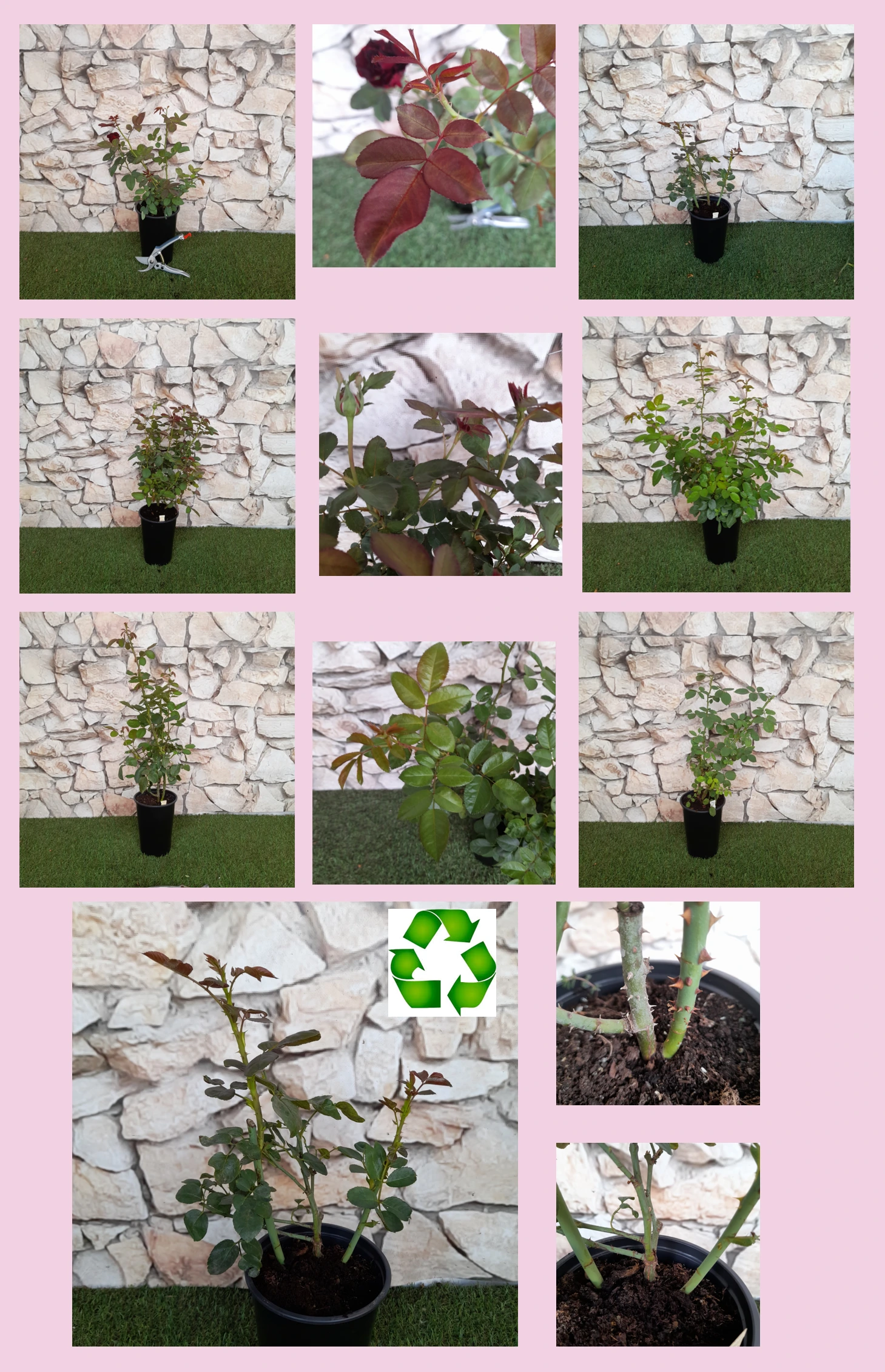
Crop overview: several varieties and growth stages in a short crop section.Shoot system: intensive growth of fresh basal shoots on a young plant.Root system: demonstration of a vigorous root system permeating the growing medium, by removing the pot.Balance: mature plant with root system and shoots in harmony with each other.
Information about the videos
The video series is not a “seasonal showcase”; it illustrates the essence of pharmaROSA® own-root cultivation in a tangible way: how the plant is built up, what the root system is like and how the shoot system regenerates. The recordings were therefore made at different times and with plants at various stages of development, so mixed foliage levels and differing stages of growth may appear in the videos. They are not a ‘sample’ of the batch dispatched, but a visual explanation of how the technology works. The current condition of the rose available to order — typical for the given period and similar to what you can expect to receive in the parcel — is shown in the upper part of the product page.
Pages for private customers Garden roses for the family garden, with minimal care → ORIGINAL® Premium garden roses – instant impact, a truly showpiece garden → EXTRA® Pages for professionals and private customers Roses for public spaces – large areas, sustainable maintenance → NATURAL® Roses for projects – hedge and row planting, fast implementation → RAPID® For professional partners only Production – propagation material for garden roses, wholesale → NEONATAL®
Company details
PharmaRosa Ltd. Company registration number: 01-09-717479 VAT number: 13075314-2-43 Plant health registration no.: HU130721 Bank account (IBAN): HU85117631891388688400000000 BIC (SWIFT): OTPVHUHB Bank name: OTP Bank Nyrt.