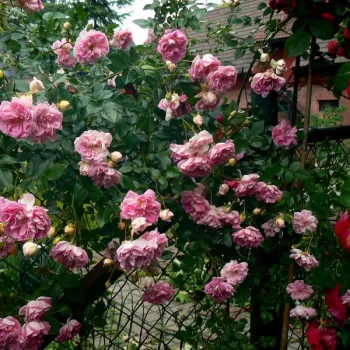
SOUVENIR DE J. MERMET – carmine-red climbing rambler rose - Mermet
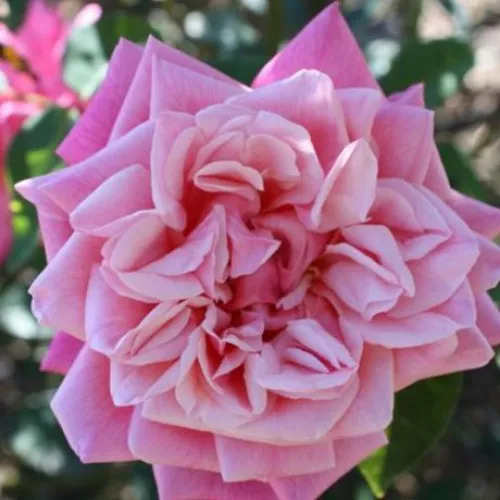
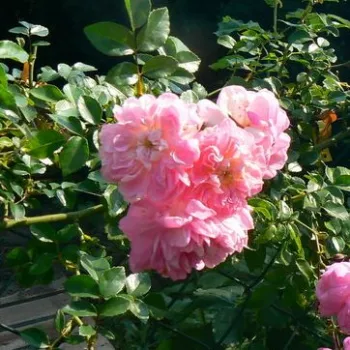
This historic rambler brings a softly romantic mood to arches, fences and cottage-style front gardens, covering structures with clusters of pastel pink, cupped blooms from early summer with a gentle repeat later in the season. Its vigorous climbing habit and dense, mid-green, glossy foliage quickly create an established look, while the own-root form supports a long-lived, well-balanced structure that regenerates reliably after pruning or winter weather. Once planted with reasonable spacing, it settles in with straightforward care and medium maintenance needs, suiting gardeners who want impact without complex regimes, even where you must manage heavier soils with improved drainage against posts or pergolas. Growing steadily from root development to stronger shoots and then fuller ornamental coverage over its first three years, it becomes a stable, enduring feature for classic British gardens.
Usage options
| Target area |
Reasoning |
| Front-garden arch or arbour |
The long canes and dense foliage allow you to clothe a modest arch or arbour quite quickly, giving a romantic entrance with pastel flowers and mild scent while keeping maintenance at a manageable, occasional-pruning level for beginners. |
| House wall or fence in a family garden |
Its climbing habit and substantial height make it well suited to training on wires along a wall or boundary fence, creating a soft, flowering vertical screen that delivers a classic cottage feel without needing intricate shaping, ideal for the time-pressed homeowner. |
| Pergola or seating area structure |
Repeated clusters of small, semi-double blooms lend a light, airy roof of colour over pergolas, with foliage dense enough to feel intimate but not oppressive, so regular tying-in and a yearly tidy are normally sufficient for the relaxed gardener. |
| Small rose bed as a focal specimen |
Planted with ample space, it forms an impressive specimen that anchors a small bed, its own-root vigour and climbing framework giving long-term stability and allowing flexible pruning styles to match the evolving plans of the enthusiastic amateur. |
| Mixed cottage-style border |
The soft pink clusters blend easily with perennials and traditional cottage plants, while the moderate repeat ensures interest through much of summer; its medium disease resistance pairs well with simple, watchful care for the style-conscious novice. |
| Training into a small tree or large shrub |
Its rambler character and generous spread make it suitable for weaving through a small tree or tall shrub, giving a romantic, layered effect of blossom without needing separate supports, a rewarding approach for creative gardeners. |
| Large container on terrace or patio (40–60 L) |
In a substantial container with good compost and a sturdy support, it offers vertical colour where ground planting is limited, while the own-root habit gives dependable regrowth from the base, encouraging confidence for space-conscious urbanites. |
| Exposed but sheltered corner with improved soil |
Placed where you can provide reasonable shelter and enhanced soil conditions, it establishes into a durable, recurring feature that copes well once rooted, even where heavier ground has been opened and improved for better water movement in the small-family-garden setting. |
Styling ideas
- Cottage Archway – Train along a metal or timber arch with trailing bellflower at the base for a soft, pastel tunnel of bloom – suited to lovers of traditional cottage entrances.
- Pastel Pergola – Combine over a pergola with pale clematis for layered pink-on-pink blossom and dappled summer shade – ideal for seating areas in family gardens.
- Romantic Fence – Space plants along a front fence, underplanting with lesser periwinkle for a clean, flowering boundary – perfect for those wanting tidy kerb appeal with limited effort.
- Vertical Feature Pot – Grow in a 40–60 litre container with a simple obelisk, letting it provide height where borders are small – helpful for patio-focused, time-poor gardeners.
- Tree Garland – Thread canes through the lower canopy of a small ornamental tree to create a garland of soft pink clusters – appealing to creative gardeners seeking gentle drama.
Technical cultivar profile
| Parameter |
Data |
| Name and registration |
Souvenir de J. Mermet is a historic rambler climbing rose also traded as Mermet; it is an unregistered cultivar with the approved exhibition name Souvenir de J. Mermet. |
| Origin and breeding |
Bred by Louis Mermet in France and introduced around 1934, with parentage not recorded; it entered gardens via Mermet’s distribution and commemorates J. Mermet in its naming. |
| Awards and recognition |
Recognised in Lyon in 1933 with a Certificate of Merit from the Commission des Roses and a recommendation for a gold medal diploma from the Société lyonnaise d’Horticulture. |
| Growth and structural characteristics |
Vigorous climbing rambler with 3.4–5.6 m height and 2.6–4.4 m spread, bearing dense, mid-green glossy foliage and moderate prickles, ideal for arches, pergolas and larger garden structures. |
| Flower morphology |
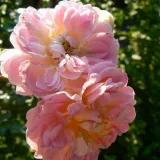
Small cupped, semi-double flowers in clusters, typically 17–25 petals per bloom; remontant, with a good main flush followed by lighter repeat flowerings, adding extended seasonal interest. |
| Colour data and phenology |
Soft pastel pink blooms with subtle tonal gradations, ARS code DP, RHS 53A outer and 53C inner; colour gently fades to a paler, slightly mauve-pink, retaining a romantic, powdery appearance. |
| Fragrance and aroma |
Possesses a mild, refreshing rose fragrance that is noticeable at close range without being overpowering, contributing to a gentle, classic ambience around seating areas and walkways. |
| Hip characteristics |
Rose-hip production is generally modest due to the semi-double form; occasionally small 6–10 mm orange-red, ellipsoid hips appear, adding a discreet seasonal accent in late season. |
| Resistance and winter hardiness |
Medium disease resistance to powdery mildew, black spot and rust; hardy approximately to –21 to –18 °C (RHS H7, USDA 6b, Swedish zone 3), suitable for most temperate British gardens. |
| Horticultural recommendations |
Best used on arches, pergolas, fences or for tree training; plant with generous spacing at about 2.35–3.85 m, provide support and occasional plant protection, and prune to manage size and flowering. |
SOUVENIR DE J. MERMET offers romantic pastel clusters, vigorous climbing coverage and long-lived own-root reliability; consider it if you seek a graceful, enduring feature for your garden.