South Seas™ hybrid tea rose – coral-pink elegance for easy front gardens
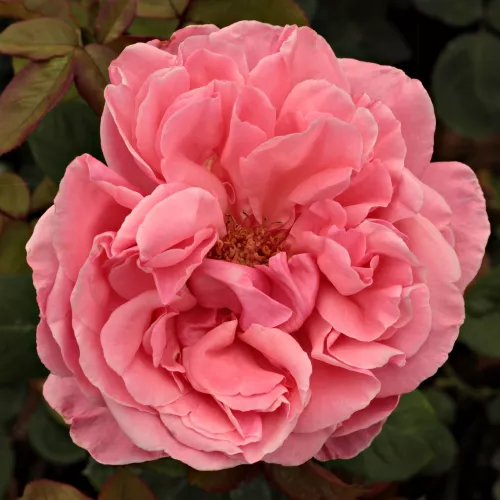
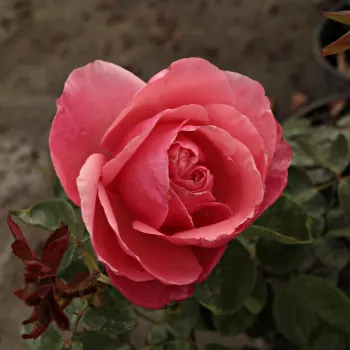
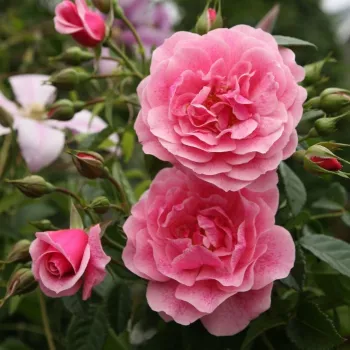
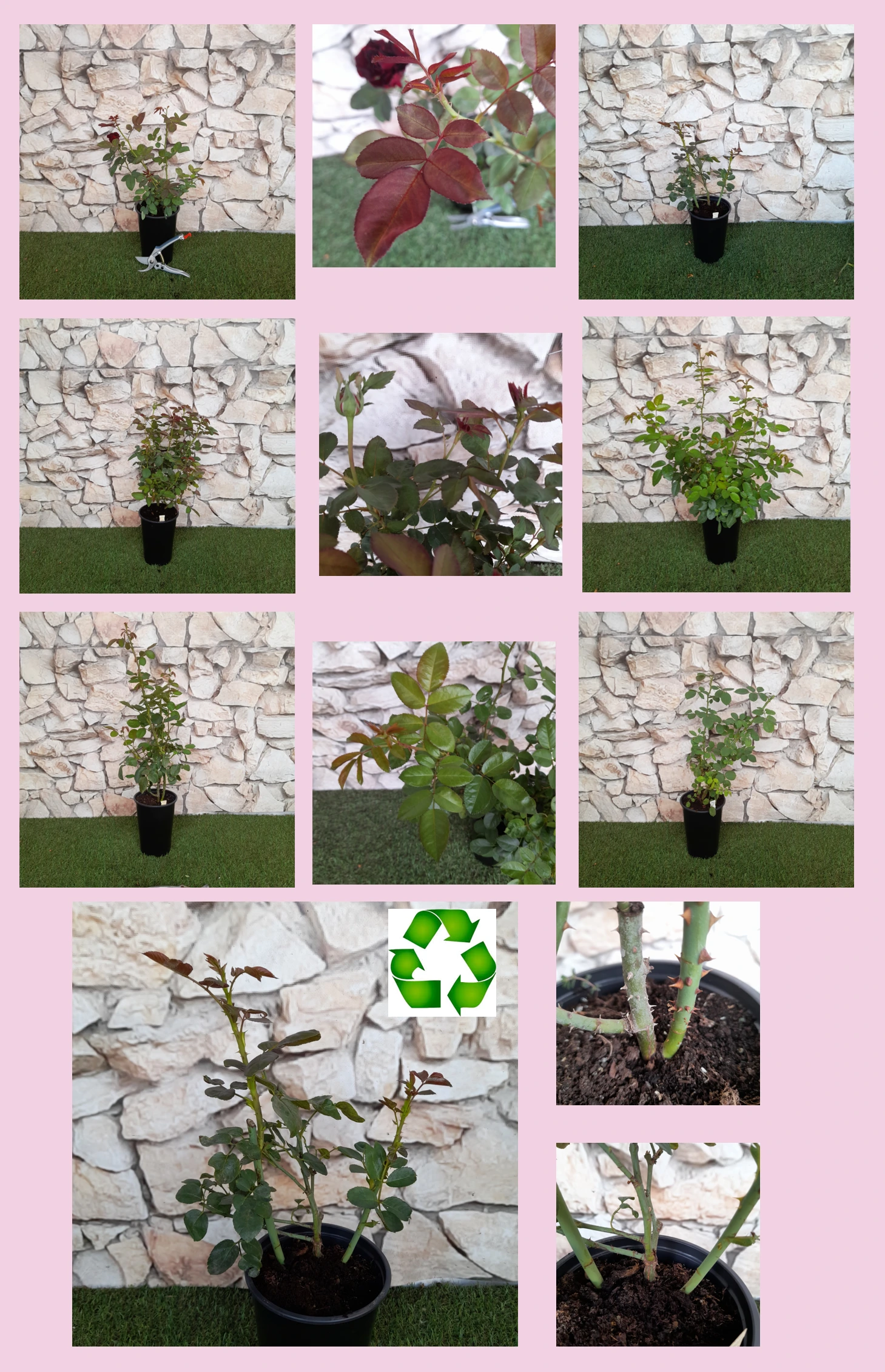
Effortless planting meets reliable flowering in South Seas™, a coral-pink hybrid tea bred for longevity and low-input care. Its upright, compact habit suits small front gardens and neat borders, forming a dense, dark green bush that carries large, very full, classically shaped blooms. These vivid coral-pink flowers with a soft orange hue open repeatedly through summer, offering colour and a medium, fruity rose fragrance for both garden and vase. Own-root plants settle securely and regenerate well over time, giving a stable, long-lived display that copes reliably with typical British conditions, even where heavier clay soils benefit from improved drainage and raised beds.
Usage options
| Target area | Reasoning |
|---|
| Front-garden feature rose by the path |
South Seas™ forms an upright, compact bush that keeps its place in smaller front gardens without overwhelming the space, while its dense, dark green foliage provides structure even between flushes, giving busy homeowners tidy impact with minimal shaping – ideal for the beginner. |
| Classic cut-flower row in a narrow border |
Large, very full, hybrid tea blooms are carried mostly singly on strong stems, making it easy to cut shapely flowers for the house without complicated pruning, and the coral-pink colour with medium, fruity rose scent gives reliable vase-worthy stems all summer – perfect for the homeowner. |
| Small cottage-style bed with perennials |
The warm coral-pink tones combine beautifully with foxgloves and cranesbills, and the remontant flowering ensures repeated waves of bloom that weave naturally into mixed cottage schemes, while its moderate height keeps views open in compact plots – a good choice for the cottage-gardener. |
| Low-maintenance family flower bed |
With good resistance to black spot, mildew and rust, South Seas™ keeps its foliage well without frequent spraying, so families can enjoy a colourful, healthy rose bed with just routine watering and feeding, rather than intensive care – reassuring for the time-poor. |
| Specimen rose near a seating area |
The medium-strength, fruity, rose-scented perfume is best appreciated close up, so planting a single bush near a bench or terrace gives fragrance on warm evenings without needing a large planting, while the coral blooms hold their colour well as they open – rewarding for the sensory-lover. |
| Own-root rose for long-term garden structure |
As an own-root plant, South Seas™ builds a stable bush that can regenerate from its own wood if pruned hard or after winter, supporting long-term structure with less worry about suckers or graft failure over the years, particularly valued in established family gardens – ideal for the planner. |
| Small group planting in exposed suburban sites |
Planted in groups of three to five at the recommended spacing, its upright habit and dense foliage knit together into a coherent block of colour that stands up well in typical British wind and rain, especially where heavier soils are helped by improved drainage and raised beds – useful for the urbanite. |
| Formal rose bed with simple annual pruning |
South Seas™ responds well to straightforward annual hybrid tea pruning, so experienced gardeners and beginners alike can maintain a formal bed with one main winter cut and light deadheading, trusting its remontant habit to refill the display through summer – confidence-giving for the novice. |
Styling ideas
- Cottage Harmony – Combine South Seas™ with foxgloves and cranesbills for a soft-edged, coral-pink focus that repeats flower through summer – for lovers of relaxed cottage borders.
- Pathway Accent – Plant single bushes at intervals along a front path to frame the entrance with upright, tidy structure and fragrant blooms – for homeowners seeking neat, welcoming kerb appeal.
- Cutting Strip – Run a narrow row along a fence or sunny side path to provide a steady supply of long-stemmed, coral-pink flowers for the vase – for those who enjoy home-grown arrangements.
- Formal Trio – Group three plants in a triangle in a small bed to create a dense, symmetrical block of colour and foliage with straightforward winter pruning – for fans of classic rose formality.
- Seating Corner – Place a single bush in a large 40–50 litre container by a bench or patio, where its medium fragrance and repeat flowering can be enjoyed at close quarters – for balcony and courtyard gardeners.
Technical cultivar profile
| Parameter | Data |
|---|
| Name and registration |
South Seas™ hybrid tea rose (registered as South Seas), hybrid tea group, exhibition-quality cut-flower type; ARS approved exhibition name South Seas, commercial use in beds and borders. |
| Origin and breeding |
Bred by Dennison Harlow Morey, Jackson & Perkins Co., USA, from ‘Rapture’ × unknown seedling; introduced and registered in 1962 with US plant patent PP 2184 as a garden and cut-flower hybrid tea. |
| Growth and structural characteristics |
Upright hybrid tea bush, around 70–90 cm tall and 65–85 cm wide, with dense, dark green, slightly glossy foliage and moderate prickliness; forms a compact framework suitable for beds, borders and feature planting. |
| Flower morphology |
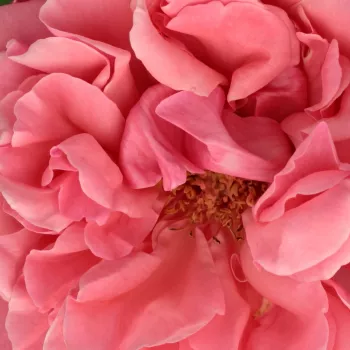
Large, cup-shaped, very full flowers with 40+ petals, mostly solitary on stems; pronounced hybrid tea form with good substance, suitable both for garden display and cutting, with remontant flowering and abundant second flush. |
| Colour data and phenology |
Coral-pink blooms with a slight orange hue; ARS op, RHS 40B outer and 40C inner; vivid coral on opening, then gently fading to light coral-pink while retaining a harmonious overall tone throughout the flowering phase. |
| Fragrance and aroma |
Noticeable, medium-strength fragrance combining classic rose notes with a fruity character; best appreciated at close range on warm, still days, making it well suited to seating areas and cutting for scented indoor displays. |
| Hip characteristics |
Produces spherical orange-red hips in moderate quantity, typically 10–14 mm in diameter, forming after flowering if spent blooms are not removed, adding a discreet seasonal feature without dominating the plant. |
| Resistance and winter hardiness |
Good resistance to black spot, powdery mildew and rust under normal garden conditions; winter hardy to around −21 to −18 °C (RHS H7, USDA 6b), reliably surviving typical UK winters with standard mulching and aftercare. |
| Horticultural recommendations |
Prefers a sunny site with well-drained soil; space at 55 cm for mass planting, 45 cm for hedging or 85 cm as specimen; low maintenance needs, with regular watering in dry spells and straightforward annual pruning. |
South Seas™ offers compact structure, repeat coral-pink blooms and reliable disease resistance in a long-lived own-root form that settles securely into family gardens, making it a thoughtful choice when planning your next rose.