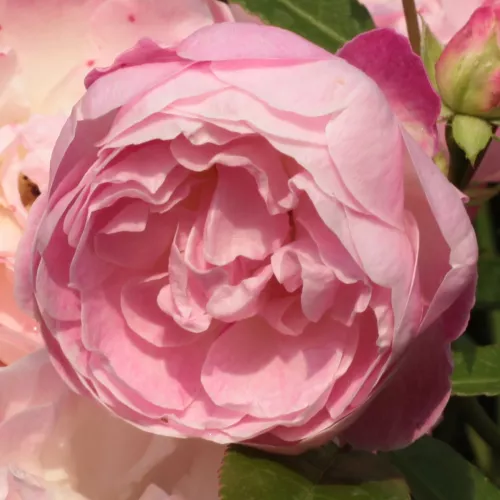
The flower is a uniform, fresh pink shade with a delicate, lighter tone on the petal edges. - polyantha bedding rose - very weak, barely perceptible scented rose - pleasantly rosy character
– Compact, bushy habit suits beds and borders.
– Abundant double pompon blooms in soft pink.
– Reliable remontant flowering through the season.
– Good hardiness for colder winter climates.
– Moderate disease tolerance, especially black spot.
– Special feature: Ice‑cream‑like pastel tones create a refined, porcelain effect in mass plantings.
Variety guarantee – Personal taste
pharmaROSA® ORIGINAL 2-litre own-root potted rose
17,70 £
Unfortunately, we are currently unable to ship to the United Kingdom; we only deliver to countries within the European Union. For more information, please contact us!
5(7238)
SORBET PINK™ – pink bedding polyantha rose – Molnár
Compact and naturally bushy, SORBET PINK™ settles neatly into smaller British gardens, coping well even where soil stays heavier after rain and benefits from good drainage. Its pompon flowers open in generous clusters, starting baby-pink and softening to a creamy, porcelain blush that keeps beds and borders looking refined rather than overpowering. As an own-root plant it gradually builds a balanced, rounded structure, rewarding you with dependable remontant flushes through the season with only medium maintenance. Ideal when you want a front garden that feels welcoming from the pavement, it is equally at home in containers from 40–50 litres on patios, where its delicate colour and tidy size are easy to manage and enjoy.
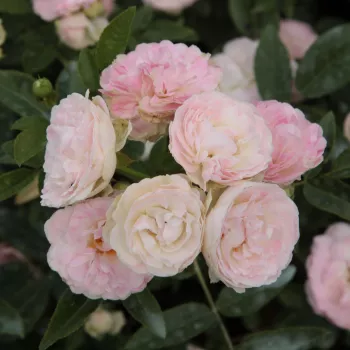
Sorbet Pink™ shown in several opening stages, from bud to fading bloom.
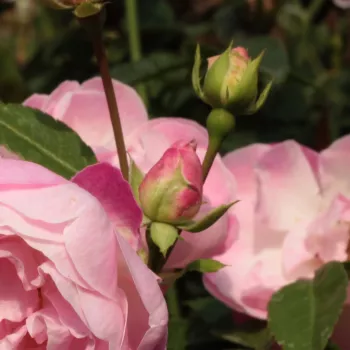
Sorbet Pink™ in closed bud, with a cream-ivory base and subtle baby-pink blush.
Usage options
Target area
Reasoning
Front garden focal clump by the path
The compact 60–80 cm habit forms a tidy, rounded bush that sits well by a path or beside a low gate, giving clear structure without blocking windows or views. The soft baby‑pink to creamy flowers read well from the pavement, echoing classic cottage fronts yet staying neat enough for smaller plots and terraced houses, ideal for the aesthetics‑focused beginner.
Low bedding rows along drives and paths
Polyantha-style cluster flowering creates continuous ribbons of colour when planted in short rows, with recommended 30–35 cm spacing allowing each bush to knit into a dense, orderly line. The plentiful second flush keeps the display going after the first peak, supporting a “plant and let it perform” approach for edging drives and main paths, reassuring the busy urban homeowner.
Small mixed cottage-style border
The modest height and bushy, mid‑green foliage slip easily into mixed cottage borders with perennials and low shrubs, adding fine-textured pink clusters without dominating stronger forms. Because the colour softens to cream and porcelain tones, it harmonises with blues, whites and soft yellows, suiting informal, romantic schemes favoured by the classic cottage gardener.
Patio container in 40–50 litre pot
A bushy yet compact structure makes this rose well-suited to larger patio containers, where a 40–50 litre volume provides enough root space for steady growth and regular watering. In pots it is easy to monitor moisture needs, important for a variety that dislikes prolonged drought, while the repeat pompon blooms give a long ornamental season at eye level for the balcony and patio owner.
Specimen accent in a small bed
Planted as a single specimen with 55 cm radius, the rounded shape and dense foliage create a self-contained mound of texture finished with delicate, ice-cream-pink blooms. This makes an attractive accent in a modest island bed or beside a seating area, delivering a deliberately calm, controlled look rather than a sprawling display, appreciated by the order‑loving garden planner.
Repetitive planting for low informal hedging
Using the advised 30 cm hedge spacing, repeated plants can form a low, informal rose hedge along front boundaries or to frame a lawn. The moderate maintenance needs—occasional health checks and a simple yearly prune—fit those who want structure and colour without intricate clipping, offering an approachable way into rose hedging for the time‑pressed beginner.
Family garden play‑area edging
The 60–80 cm height and bushy outline create a soft visual barrier around play lawns or sandpits, clearly marking spaces while staying low enough for supervision lines. Moderate prickliness discourages cutting corners yet is easier to live with than very thorny varieties, and the small flower size feels gentle and unobtrusive for the young‑family household.
Gradual build-up in new gardens and redevelopments
As an own‑root rose it settles, then thickens its framework over several seasons, steadily improving shape and flowering with consistent care and watering, especially in heavier, moisture-retentive soils common in new estates. This slow, reliable establishment helps new borders look more finished year by year without complex interventions, suiting the long‑term home improver.
Styling ideas
Porcelain border – Combine SORBET PINK™ with white foxgloves and pale catmint for a soft, porcelain palette – ideal for the homeowner seeking a calm, elegant frontage.
Patio sorbet pot – Plant one rose in a 40–50 litre container with trailing ivy and soft pink diascia – perfect for balcony and patio owners wanting low-fuss repeat colour.
Cottage ribbon – Run a low row of SORBET PINK™ along a path with lady’s mantle and soft grasses – suited to lovers of relaxed, cottage-look edging.
Family‑friendly frame – Edge a small lawn with spaced bushes and low lavender for scent and gentle structure – good for families wanting tidy definition around play areas.
Front‑gate accent – Flank a gate with mirrored plantings of SORBET PINK™ and a compact box or yew cone – ideal for those who like a welcoming but orderly entrance.
Technical cultivar profile
Property
Data
Name and registration
SORBET PINK™ is a polyantha bedding rose, bed rose group, bush type. Trade name: Sorbet Pink™ Bedding rose Molnár. Former names not recorded; cultivar authenticity verified for pharmarosa.co.uk.
Origin and breeding
Bred in Hungary in 2008 by Molnár Éva Anna; parentage unknown. Introduced commercially by PharmaRosa® Ltd.; exact introduction, registration and selection years not fully documented.
Growth and structural characteristics
Compact, bushy shrub reaching about 60–80 cm high and 40–60 cm wide, with dense, mid‑green, slightly glossy foliage and moderate prickles, forming a neat, rounded bedding or small‑border plant.
Flower morphology
Small, double, pompon-like blooms (0.5–1.5 in) borne in clusters. Petal count typically 26–39, creating a ball-shaped flower suitable for bedding, edging and low, decorative group plantings.
Colour data and phenology
Fresh pink overall with lighter petal edges; ARS lp, RHS 65C outer, 65D inner. Colour quickly softens to porcelain light pink and cream; remontant, with generous repeat flowering in clusters.
Fragrance and aroma
Very weakly scented rose with a pleasant but barely perceptible rosy character, intended primarily for visual effect rather than fragrance-driven planting or cutting for perfumed indoor display.
Hip characteristics
Rose hips form only occasionally due to double blooms; when present they are small, spherical, 5–7 mm, orange‑red, and carry limited ornamental value compared with the main flower display.
Resistance and winter hardiness
Hardy to approximately –21 to –18 °C (RHS H7, Swedish zone 3, USDA 6b). Disease resistance moderate overall: good black spot resistance, with moderate susceptibility to powdery mildew and rust.
Horticultural recommendations
Best in full sun with regular watering; dislikes prolonged drought. Medium maintenance: occasional pest and disease checks advised. Recommended spacing 30–55 cm depending on hedging, bedding or specimen use.
SORBET PINK™ offers compact, repeat pink flowering and a neat bushy shape on a long-lived own-root plant, making it a dependable choice for modest, easy-care front gardens and patios you may be planning now.
Flower Colour Description:
The flower is a uniform, fresh pink shade with a delicate, lighter tone on the petal edges.
Closed Bud:
Cream–ivory base with a subtle baby‑pink sheen and a delicate rosy blush at the tips.
Newly Opened Flower:
The centre is a soft baby-pink, the outer petal whorl lightens to creamy white, and on the less double flowers a whitish centre (eye) and golden-yellow stamens are visible.
Full Bloom:
Pompon rose with a delicate peachy–pink tone in the centre, fading outward to a porcelain light pink and then to cream, the edge slightly cool with a pearly sheen.
Before Fading:
The pink fades quickly, blending into a powdery–creamy shade.
Colour Fading Description:
On opening, the pink quickly fades to a porcelain light pink, then to a creamy–powdery shade; the outer petals become creamy white.
Pollinator Attraction:
Very double flower form with concealed stamens reduces pollen and nectar accessibility, making it only weakly attractive to pollinators.
Hip Comment:
Rose hip formation is expected to be limited because of the double blooms; occasionally a spherical, orange-red rose hip 5–7 mm in diameter may appear.
Our product is a rose grown with pharmaROSA®’s unique cultivation technology!
2-litre, own-root, potted rose.
With a shoot system appropriate to the season.
With a root system that thoroughly permeates the growing medium.
Quality compliant with the requirements of the E.N.A. (European Nurserystock Association).
Supplied in unique packaging that prevents damage.
Can be planted during frost-free periods.
True-to-variety rose bush with a unique identifier.
The pharmaROSA® own-root potted rose is a well-rooted plant that supports reliable establishment when planted and cared for properly, so it can be planted whenever the soil is not frozen.
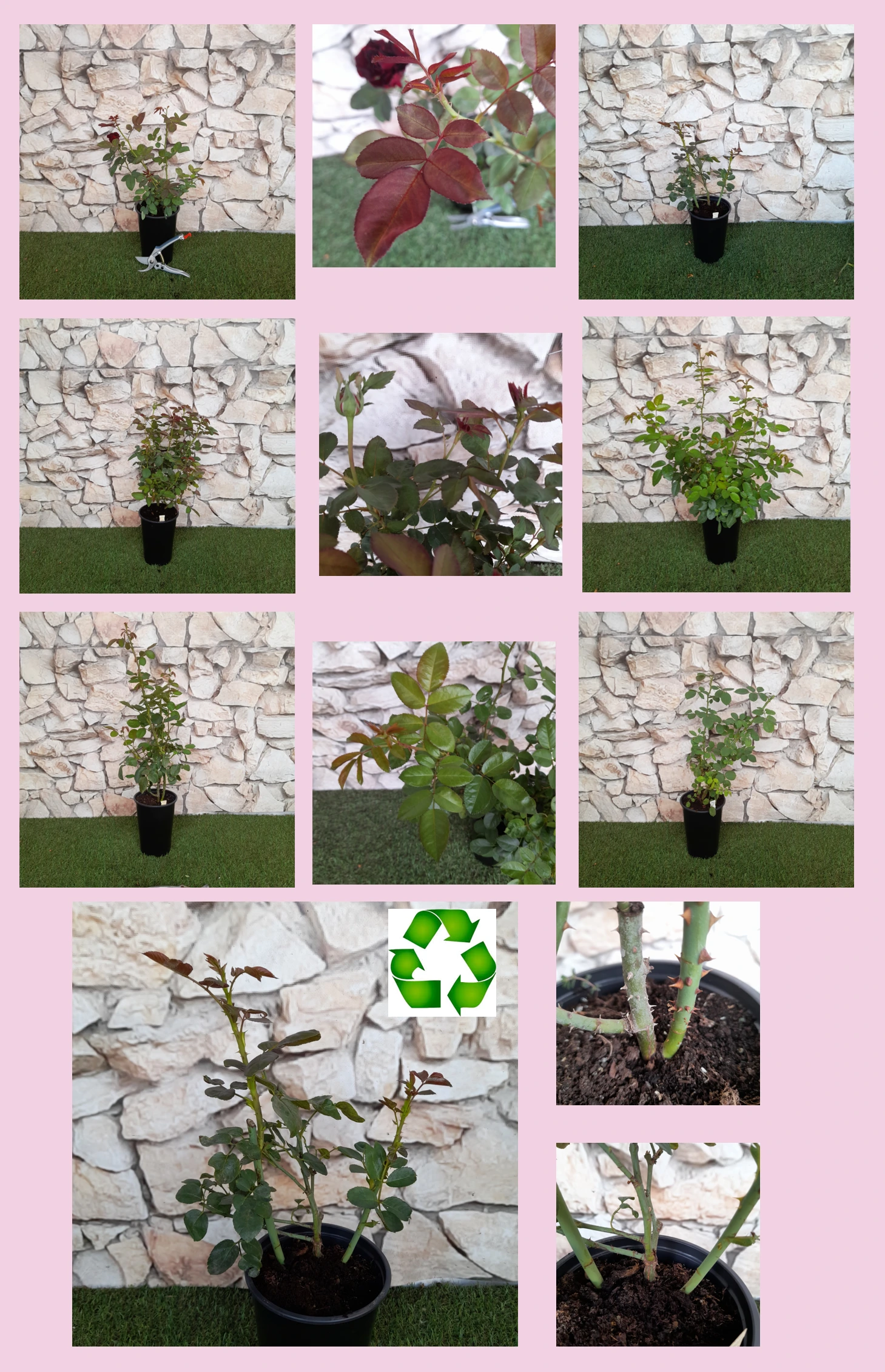
Crop overview: several varieties and growth stages in a short crop section.Shoot system: intensive growth of fresh basal shoots on a young plant.Root system: demonstration of a vigorous root system permeating the growing medium, by removing the pot.Balance: mature plant with root system and shoots in harmony with each other.
Information about the videos
The video series is not a “seasonal showcase”; it illustrates the essence of pharmaROSA® own-root cultivation in a tangible way: how the plant is built up, what the root system is like and how the shoot system regenerates. The recordings were therefore made at different times and with plants at various stages of development, so mixed foliage levels and differing stages of growth may appear in the videos. They are not a ‘sample’ of the batch dispatched, but a visual explanation of how the technology works. The current condition of the rose available to order — typical for the given period and similar to what you can expect to receive in the parcel — is shown in the upper part of the product page.
Pages for private customers Garden roses for the family garden, with minimal care → ORIGINAL® Premium garden roses – instant impact, a truly showpiece garden → EXTRA® Pages for professionals and private customers Roses for public spaces – large areas, sustainable maintenance → NATURAL® Roses for projects – hedge and row planting, fast implementation → RAPID® For professional partners only Production – propagation material for garden roses, wholesale → NEONATAL®
Company details
PharmaRosa Ltd. Company registration number: 01-09-717479 VAT number: 13075314-2-43 Plant health registration no.: HU130721 Bank account (IBAN): HU85117631891388688400000000 BIC (SWIFT): OTPVHUHB Bank name: OTP Bank Nyrt.