SIR FREDERICK ASHTON – white hybrid tea rose - Beales
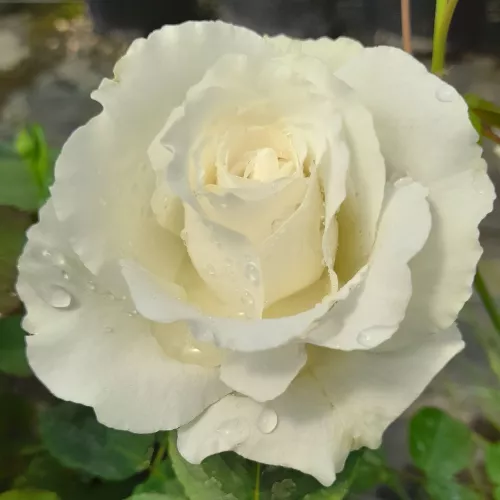
This elegant hybrid tea offers reliable flowering and strong health, making it a reassuring choice if you want a classic white rose without complex care. Its upright habit and refined, high-centred blooms suit front gardens and smaller borders where a single, well-placed plant can create a composed focal point. Bred by Peter Beales, it has proven endurance in typical British conditions, coping well with damp spells and breezier, more exposed sites when planted in reasonably drained soil. The rich, clearly defined fragrance makes it excellent for cutting, so you can enjoy its snow-white, creamy-tinted flowers indoors as well. As an own-root rose, it develops its long-term stability in your soil, forming a balanced bush that matures steadily over the years. In an average family garden, it offers dependable structure and lasting ornament with straightforward, seasonal tasks.
Usage options
| Target area |
Reasoning |
| Front garden focal point |
The tall, upright habit and large, high-centred blooms give immediate structure beside a path, bay window or entrance. One to three plants create a calm, formal accent that looks well kept with only basic pruning – ideal for the style-conscious beginner. |
| Small mixed border |
Its reliable remontant flowering threads clear white through cottage-style mixes of perennials and grasses, without overwhelming a narrow bed. Steady, moderate growth makes it easy to combine with low groundcovers for a neat, low-maintenance edge, suiting the busy urban homeowner. |
| Cutting and patio-access bed |
The long-stemmed, exhibition-type flowers and strong scent are excellent for cutting, so a small bed near the house becomes a ready source of vases. Regular picking encourages new buds while keeping the plant tidy, which appeals to fragrance-loving gardeners. |
| Paired at the doorway |
Planted on either side of a front path or steps, its consistent height and bloom form create a balanced, classical entrance. The pure white flowers read well against brick, render or dark foliage, giving formality without complex clipping – reassuring for design-conscious novices. |
| Raised bed on heavier soils |
In areas with heavier clay, a simple raised bed or improved border provides the drainage it needs while its disease resistance and sturdy framework reduce ongoing work. Over time it anchors the planting visually and structurally for the practical-minded owner. |
| Small group planting (1–5 shrubs) |
A loose group at 65 cm spacing produces a calm, white “drift” that flowers repeatedly without becoming congested. Own-root plants knit together into a durable stand that can be refreshed by occasional harder pruning, appealing to long-term planners. |
| Large container near seating area |
In a 40–50 litre container with good compost and feeding, its bushy, upright shape and strong perfume make it ideal beside a bench or terrace. The controlled footprint and tidy outline work well where space is limited, suiting balcony and courtyard users. |
| Low-maintenance rose border |
Used in a simple row or narrow bed, its disease resistance and regular repeat bloom give a well-groomed effect from modest care. As an own-root rose it regenerates reliably, building up into a lasting, easy-care feature valued by time-pressed families. |
Styling ideas
- Porch classic – Frame a front door with a pair of plants under windows, edged with lavender or hardy geraniums – for lovers of traditional, well-kept entrances.
- Cool border – Combine with blue campanulas, nepeta and silver foliage for a calm white-and-blue strip along a path – for those seeking a serene cottage-garden feel.
- Evening corner – Place near seating with pale hostas and lilyturf so the white blooms catch dusk light – for people who enjoy their garden after work.
- Formal accent – Plant three in a triangle within a small lawn circle or gravel bed to echo a mini parterre – for homeowners wanting simple, classical structure.
- Cutting lane – Line a narrow side border with this rose and low groundcovers to create an easy-to-reach cutting strip – for fragrance enthusiasts who like indoor displays.
Technical cultivar profile
| Feature |
Data |
| Name and registration |
Hybrid tea exhibition rose, current trade name SIR FREDERICK ASHTON, honouring Sir Frederick Ashton; commercial type hybrid tea rose, verified authenticity for pharmaROSA ORIGINAL range. |
| Origin and breeding |
Sport of ‘Anna Pavlova’, bred by Peter Leslie James Beales in the United Kingdom and introduced by Peter Beales Roses in 1985 as a premium white hybrid tea selection. |
| Growth and structural characteristics |
Upright, medium-tall shrub 100–140 cm high and 70–110 cm wide, with moderately dense, matt dark green foliage and moderate prickliness, forming a balanced, vertical garden presence. |
| Flower morphology |
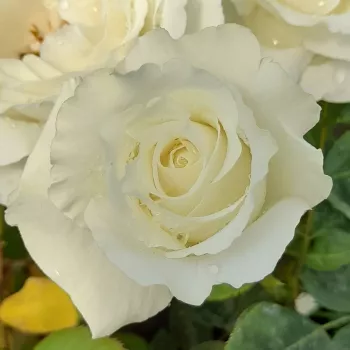
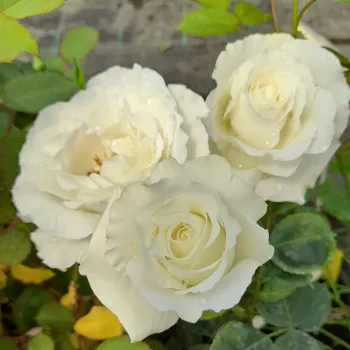
Large, double, high-centred, pointed-budded flowers with 26–39 petals, typically borne singly on stems; remontant and reliable, producing an abundant second flush in suitable conditions. |
| Colour data and phenology |
Snow-white flowers with a delicate creamy-yellow tint on inner petal reverses; buds cream-white, ageing to translucent ivory while overall white tone remains, colour retention medium under sun. |
| Fragrance and aroma |
Strong, clearly perceptible fragrance with a rich, classic rose character; suited to cut flowers and seating areas where scent can be appreciated at close quarters in still conditions. |
| Hip characteristics |
Due to double flowers, hip set is limited; where formed they are small, spherical, red hips about 12–18 mm in diameter, offering only modest ornamental contribution in most seasons. |
| Resistance and winter hardiness |
Good overall disease resistance, with reported resistance to powdery mildew, black spot and rust; winter hardy to approximately -21 to -18 °C (RHS H7, USDA 6b, Swedish zone 3) in UK gardens. |
| Horticultural recommendations |
Best in sunny sites with improved soil; recommended spacings: 65 cm for bedding, 55 cm for hedging, 100 cm as specimen; prefers irrigation in prolonged dry spells and benefits from regular feeding. |
SIR FREDERICK ASHTON offers reliable repeat flowering, strong fragrance and resilient health on a long-lived own-root framework, making it a thoughtful choice if you want an enduring white focal rose in your garden.