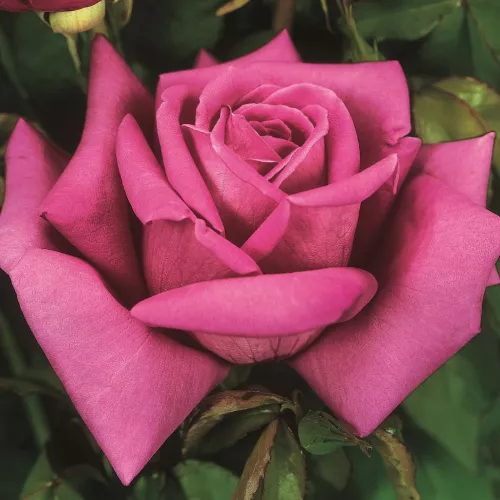
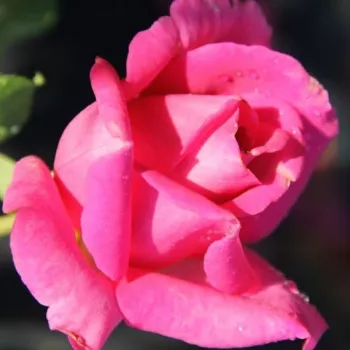
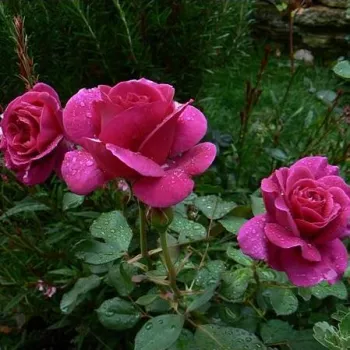
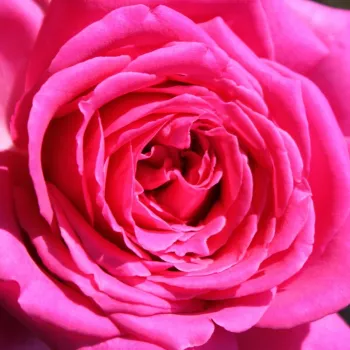
Creamy light yellow with a slightly deeper yellow shade towards the centre. - species rose - very weak, barely noticeable scented rose - classic rose character
– Historic rambler with charming species character.
– Masses of small, very double yellow pompons.
– Vigorous climber, perfect for arches and walls.
– Glossy, dense foliage with few prickles.
– Recognised with RHS Award of Garden Merit.
– Special feature: Inducted into the WFRS Old Rose Hall of Fame (2018), a world-level distinction for classic garden roses.
Unfortunately, we are currently unable to ship to the United Kingdom; we only deliver to countries within the European Union. For more information, please contact us!
3(4714)
Rosa Banksiae lutea – Botanical rambler rose for arches and walls
This historic botanical rambler brings a cascade of buttercup yellow pompoms to cottages and townhouses alike, clothing arches, pergolas and warm walls in a cloud of blossom. In late spring it opens masses of small, very double flowers in dense clusters, creating a once-a-year flowering spectacle that defines the season. The almost thornless canes and fine-textured, glossy foliage give a refined, graceful look, ideal where children and pets play nearby. As an own-root rose it matures steadily into a long-lived, well-balanced framework with dependable structure and ornamental value. The young plant focuses first on roots, then on top growth, reaching its full garden presence over about three years, so you enjoy a natural development from quiet start to abundant coverage. Well suited to British gardens that face blustery, damp spells, it performs reliably when given good drainage that protects it from sitting wet in winter. Its vigorous growth makes light work of covering pergolas and fences, while the moderate maintenance needs keep care manageable for busy owners. For those who love traditional, romantic schemes, it offers a time-tested, award-backed heritage choice that simply settles in and thrives.
Closed bud of Rosa banksiae lutea, showing a pale yellow, green-tinged bud form.
Usage options
Target area
Reasoning
Large arch or pergola in a family front garden
The strong, climbing growth and dense foliage make this rose ideal for quickly clothing a substantial arch or pergola, giving a soft, romantic tunnel of yellow bloom each spring with relatively little ongoing work for beginners.
Sunny house wall or warm courtyard facade
Trained against a sunny wall, its heat and drought tolerance and once-flowering habit combine to provide a long-lived, stable framework that needs only light yearly tidying, suiting busy homeowners.
Informal cottage-style boundary or screen
Used along a fence or informal boundary, the vigorous, slightly thorny canes and glossy leaves form a soft visual screen that fits classic cottage planting without demanding intricate pruning from hobby-gardeners.
Feature rose for traditional, heritage-inspired gardens
With its early 19th-century origin and international honours, this cultivar brings genuine historic character and reliability, giving confidence to those who prefer proven, long-respected varieties as long-term garden investments for collectors.
Family seating area with overhead shade
When led over a pergola above a terrace, the long, arching shoots create dappled shade and a once-yearly floral display, while the relatively sparse prickles make the structure more user-friendly around families.
Raised bed or well-drained spot in heavy clay gardens
In regions with wet winters and heavier soils, planting into a raised or well-drained area lets its good heat and drought tolerance shine, reducing stress on roots during prolonged wet spells for cautious gardeners.
Low-maintenance rambling accent in larger mixed plantings
Allowed to ramble through sturdy shrubs or along the back of a mixed border, it delivers a dramatic spring flush, then recedes into fine-textured greenery that needs only occasional shaping, ideal for time-poor urbanites.
Large container near an entrance (short to medium term)
In a sizeable 40–50 litre container with good drainage, this rose can be grown for several years as a dramatic entrance feature before eventual planting out, offering flexible use for evolving spaces and cautious starters.
Styling ideas
Cottage-arch – Train over a timber or metal arch with foxgloves and catmint beneath for a soft, romantic entrance – for lovers of traditional cottage gardens.
Courtyard-wall – Fan-train along warm brick with lavender and rosemary at the base for a Mediterranean feel – for homeowners seeking low-fuss elegance.
Family-pergola – Cover a seating pergola, underplanting with hardy geraniums to hide bare stems – for families wanting shade and spring drama.
Heritage-focus – Make it the hero against an old wall, paired with vintage-style climbers and box edging – for enthusiasts of historic and period gardens.
Screen-border – Let it form a high screen with ornamental grasses and verbena in front to soften height – for urban gardeners needing privacy with charm.
Technical cultivar profile
Parameter
Data
Name and registration
Rosa Banksiae lutea, botanical rambler from the Banksiae group; marketed as a yellow species rose for parks and gardens, with ARS exhibition name R. banksiae lutea.
Origin and breeding
Historic double-flowered yellow form of Rosa banksiae, selected and introduced in 1824 by John Damper Parks via the Calcutta Botanic Garden and the Royal Horticultural Society.
Awards and recognition
Holds the RHS Award of Garden Merit and is listed in the World Federation of Rose Societies Old Rose Hall of Fame, confirming long-term ornamental and garden value.
Growth and structural characteristics
Very vigorous climbing habit, typically 4.2–7.8 m high and 3.2–5.8 m spread; dense, glossy medium-green foliage, slightly thorny stems and a naturally arching, rambling framework.
Flower morphology
Small, 0.5–1.5 inch, very double pompon blooms with over 40 petals, carried in multi-flowered clusters; flowers once per season, creating a heavy spring display then resting.
Colour data and phenology
Creamy light yellow with deeper yellow centres; buds pale yellow, opening lemon to butter-yellow, later fading towards creamy straw tones in strong sun during the single main flush.
Fragrance and aroma
Very weak fragrance with a light classic rose character, noticeable only at close range; chosen primarily for visual impact and coverage rather than scent in the garden.
Hip characteristics
Hip set is usually sparse due to the very double blooms; any hips produced are small, 4–8 mm, spherical and orange, and have little impact on overall ornamental effect.
Resistance and winter hardiness
Rated RHS H4 and USDA 8b, tolerating mild to moderate frost; good heat and moderate drought tolerance but prone to black spot and rust in very humid, poorly ventilated conditions.
Horticultural recommendations
Best on sunny, well-drained sites with support for long canes; medium maintenance, with plant protection advisable in very humid areas and light pruning to manage size and shape after flowering.
Rosa Banksiae lutea offers vigorous coverage, softer prickles and award-backed reliability on its own roots, making it a long-lived choice for arches and walls that you may confidently consider for your garden.
Detailed product attributes
Product Identification Data
Product Name:
BANKSIAE LUTEA – yellow species rose - Parks
Product Type:
pharmaROSA® ORIGINAL - 2-litre own-root potted rose
Our product is a rose grown with pharmaROSA®’s unique cultivation technology!
2-litre, own-root, potted rose.
With a shoot system appropriate to the season.
With a root system that thoroughly permeates the growing medium.
Quality compliant with the requirements of the E.N.A. (European Nurserystock Association).
Supplied in unique packaging that prevents damage.
Can be planted during frost-free periods.
True-to-variety rose bush with a unique identifier.
The pharmaROSA® own-root potted rose is a well-rooted plant that supports reliable establishment when planted and cared for properly, so it can be planted whenever the soil is not frozen.
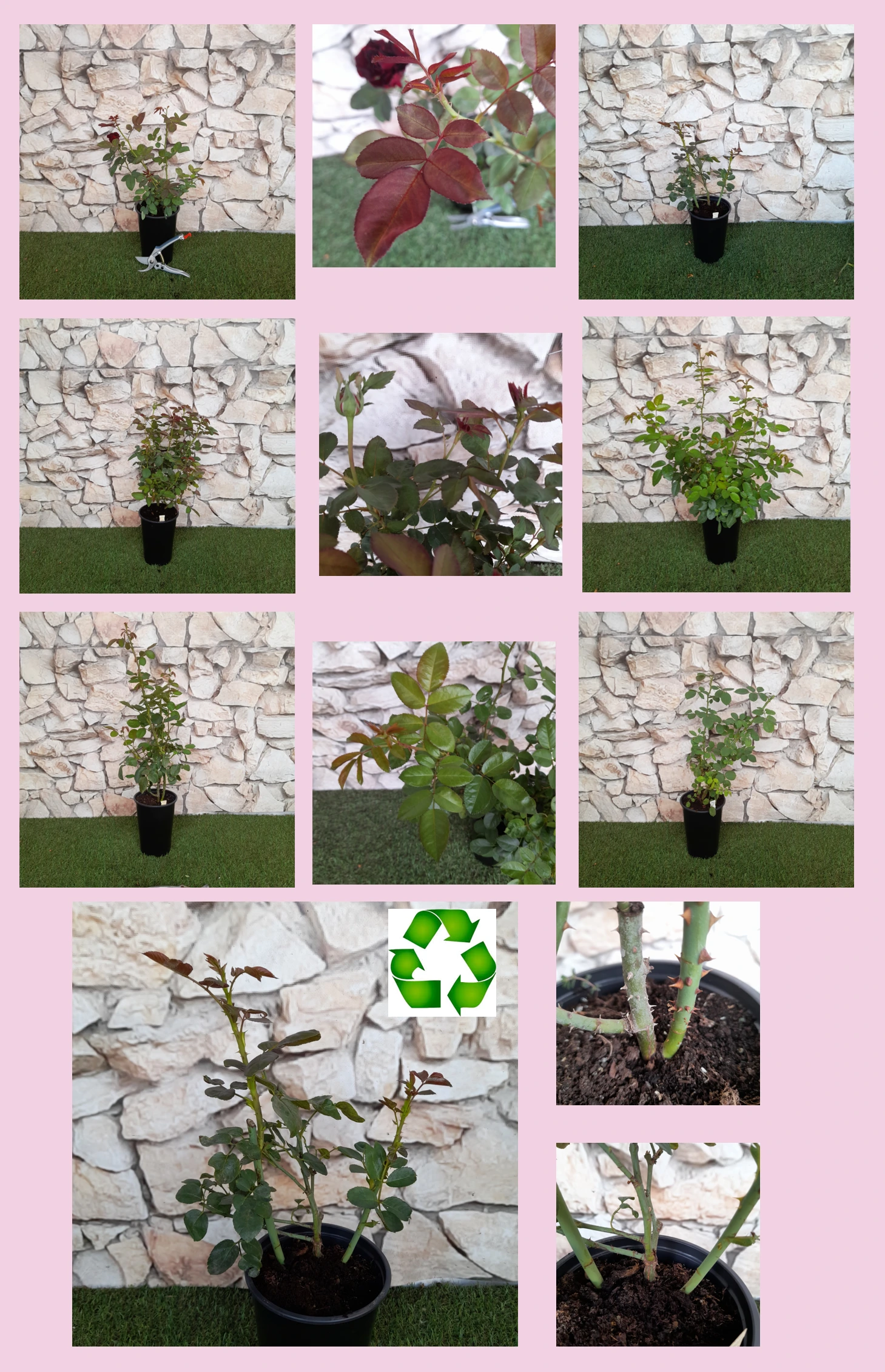
Crop overview: several varieties and growth stages in a short crop section.Shoot system: intensive growth of fresh basal shoots on a young plant.Root system: demonstration of a vigorous root system permeating the growing medium, by removing the pot.Balance: mature plant with root system and shoots in harmony with each other.
Information about the videos
The video series is not a “seasonal showcase”; it illustrates the essence of pharmaROSA® own-root cultivation in a tangible way: how the plant is built up, what the root system is like and how the shoot system regenerates. The recordings were therefore made at different times and with plants at various stages of development, so mixed foliage levels and differing stages of growth may appear in the videos. They are not a ‘sample’ of the batch dispatched, but a visual explanation of how the technology works. The current condition of the rose available to order — typical for the given period and similar to what you can expect to receive in the parcel — is shown in the upper part of the product page.
Pages for private customers Garden roses for the family garden, with minimal care → ORIGINAL® Premium garden roses – instant impact, a truly showpiece garden → EXTRA® Pages for professionals and private customers Roses for public spaces – large areas, sustainable maintenance → NATURAL® Roses for projects – hedge and row planting, fast implementation → RAPID® For professional partners only Production – propagation material for garden roses, wholesale → NEONATAL®
Company details
PharmaRosa Ltd. Company registration number: 01-09-717479 VAT number: 13075314-2-43 Plant health registration no.: HU130721 Bank account (IBAN): HU85117631891388688400000000 BIC (SWIFT): OTPVHUHB Bank name: OTP Bank Nyrt.