Hybrid tea rose

52-707-1
52-707-2

Sebastian Schultheis

Hybrid tea rose

- – Schultheis család; Henry Bennett

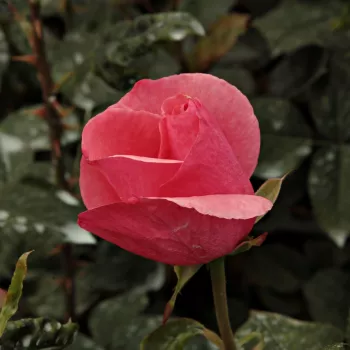
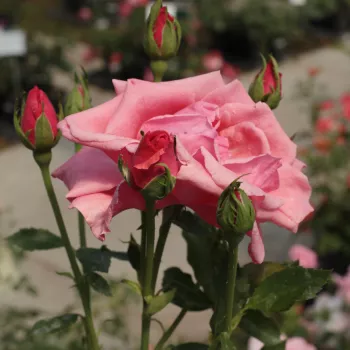
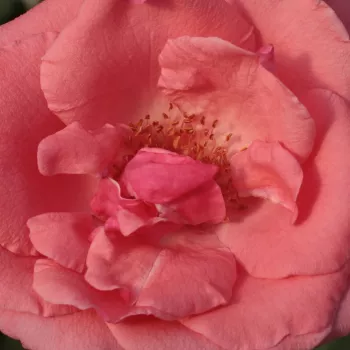
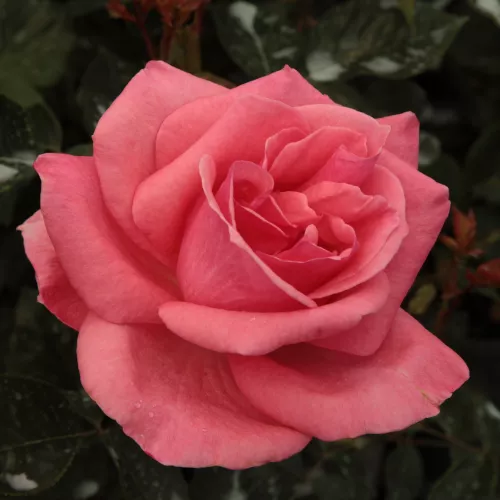
Rich, full pink shade with a slight carmine undertone. - hybrid tea rose - rose, fragrance strength variable, detectable from very faint to powerful - full, classically rosy character

– Large, elegant hybrid tea blooms.
– Repeat-flowering with a rich second flush.
– Refined coral‑pink shades gently fading to cream.
– Full, classic rose fragrance when at its best.
– Excellent disease resistance and winter hardiness.
Special feature: Historic pedigree linking Schultheis and Bennett breeding traditions.
Open to feedback – Balanced garden
Sebastian Schultheis
pharmaROSA® ORIGINAL 2-litre own-root potted rose
19,20 £
Unfortunately, we are currently unable to ship to the United Kingdom; we only deliver to countries within the European Union. For more information, please contact us!
3.5 (5425)
facebook   twitter

SEBASTIAN SCHULTHEIS – pink hybrid tea rose - Schultheis & Bennett

If you are looking for a rose that simply settles in and performs, SEBASTIAN SCHULTHEIS offers an easy, dependable way to bring elegant hybrid tea blooms into a family garden. Upright and naturally tidy, it forms a well-shaped bush that is ideal for modest front gardens and small borders where you want clear structure without fussy training. The large, cupped flowers unfold from warm coral buds to soft pink, repeating steadily through the season for a consistently colourful display that works beautifully with classic cottage-style planting. Its variable yet always classically rosy scent adds an atmospheric note around paths and seating areas, while the robust foliage and strong disease resistance keep the plant looking healthy with minimal spraying or specialist care. As an own-root rose in the pharmaROSA® ORIGINAL 2‑litre pot, it establishes securely and ages into a durable, balanced shrub, offering reliable ornamental value year after year with remarkably low ongoing effort. Even in typical British conditions with heavy soil or awkward beds, it copes well when given basic drainage, holding its shape and flowering steadily as a reassuringly reliable feature. In its first year it concentrates on roots, in the second it builds bush and flower, and by the third it reaches its full mature garden presence for long-term enjoyment.


Usage options

Target area Reasoning
Front garden focal shrub The upright, moderately tall habit takes little space yet gives clear height and structure, so a single plant can anchor a small front garden or sit neatly by a doorway, offering an elegant focal point for style-conscious beginners.
Small mixed border in family garden Repeat-flowering, large pink blooms provide a dependable thread of colour among perennials and shrubs, while the balanced growth keeps it from overwhelming nearby plants, which suits colourful borders for time-pressed home gardeners.
Near patio or seating area The classic rose fragrance, sometimes gentle and sometimes more pronounced, creates a pleasant background scent without being overpowering, making it ideal beside a bench or terrace where you can enjoy its atmospheric character on quiet evenings.
Low‑maintenance family rose bed Good resistance to common rose diseases and a generally undemanding nature reduce the need for spraying and fuss, so even with busy weeks you can keep a rose bed looking healthy and cared-for with only basic pruning and watering.
Easy-care front-of-house display With modest feeding and watering it settles quickly, flowering reliably without complex pruning schemes, fitting the “plant it and it works” approach that suits low maintenance expectations in busy urban and suburban households.
Small group planting (3–5 shrubs) Planted in a loose group, the shrubs form a gently upright mass that fills a bed with colour yet remains manageable, creating a visually reliable block of pink through summer for homeowners wanting simple, unified planting.
Boundary or informal hedge line The medium height and regular outline make it well suited to a loose flowering line along paths or boundaries, coping well with typical British heavier soils when planted with basic drainage, ideal for gardeners consolidating a mature long-term framework.
Large container on terrace or driveway In a substantial container of at least 40–50 litres with regular watering, it forms a stable, upright plant giving repeated flushes of classic blooms, a practical way to add lasting garden enjoyment for renters and small-space garden owners.

Styling ideas

  • Cottage Harmony – Combine with lavender, catmint and soft grasses to echo traditional cottage borders – ideal for homeowners seeking an elegant but relaxed front-garden feel.
  • Pink Focus – Use three plants in a triangle with white geraniums at the base for a calm, colourful centrepiece – suited to beginners wanting an easy, reliable focal bed.
  • Fragrant Corner – Place near a bench with scented herbs such as thyme and rosemary to enhance its atmospheric fragrance – perfect for small seating areas in family gardens.
  • Structured Border – Alternate with compact evergreen shrubs to underline its upright health and garden presence – good for those who like tidy, well-defined planting lines.
  • Container Welcome – Grow in a 50‑litre pot by the front door with trailing lobelia or bacopa to frame its blooms – appealing to busy urban gardeners needing low-effort impact.

Technical cultivar profile
Property Data
Name and registration SEBASTIAN SCHULTHEIS – pink hybrid tea rose bred by Schultheis and Bennett, marketed as a hybrid tea shrub for garden and cut-flower use; own-root in the pharmaROSA ORIGINAL 2‑litre range.
Origin and breeding Hybrid tea with complex parentage including ‘The Queen Elizabeth Rose’ and ‘Mabel Morrison’ × ‘E.Y. Teas’; introduced 1882 in Great Britain and 1979 in Germany by the Schultheis family.
Growth and structural characteristics Upright shrub reaching about 110–150 cm high with an 80–110 cm spread; moderately dense, mid-green, slightly glossy foliage and moderate prickliness, forming a tidy, balanced garden bush over time.
Flower morphology Large, double, cupped hybrid tea blooms with 26–39 petals borne mainly singly on stems; repeat-flowering with a generous second flush, suitable for cutting and for formal or informal shrub planting schemes.
Colour data and phenology Buds open coral-salmon pink, then soften to rich pink with carmine tones, later fading through peach-cream and powder pink to ivory-edged blooms; overall effect is warmly pink, with moderate colour retention in sun.
Fragrance and aroma Classically rosy scent with a full character; fragrance intensity varies from very light to distinctly noticeable depending on weather and stage of bloom, making it pleasant but not overwhelmingly perfumed in most gardens.
Hip characteristics Sets hips only sparsely; occasional rounded hips around 12–18 mm across, generally of minor ornamental significance, allowing the plant’s energy to remain focused on repeat flowering through the season.
Resistance and winter hardiness Rated hardy to around –26 to –23 °C (RHS H7, USDA 5b, Swedish zone 4); good resistance reported against powdery mildew, black spot and rust, supporting low-input, sustainable garden maintenance.
Horticultural recommendations Best in full sun with well-drained soil; space 60 cm in mass plantings or 100 cm as a specimen; feed and water regularly in season, prune flexibly according to desired height, suitable for large containers of 40–50 litres or more.

SEBASTIAN SCHULTHEIS offers elegant blooms, healthy growth and reliable repeat colour as a long-lived own-root shrub, making it a thoughtful choice if you would like a classic rose that simply settles in and performs.

Detailed product attributes

Product Identification Data

Product Name: SEBASTIAN SCHULTHEIS – pink hybrid tea rose - Schultheis & Bennett
Product Type: pharmaROSA® ORIGINAL - 2-litre own-root potted rose
Cultivar Authenticity: Verified:23.03.2025
Item Number: [566] 52-707 (14.02.2026) pharmarosa.co.uk

Name and Registration

Meaning of Cultivar Name: The name "Sebastian Schultheis" was given in honour of a member of the Schultheis family, Sebastian, while the name "Heinrich Schultheis" was given in honour of the German rose grower and merchant Heinrich Schultheis.
Original Trade Name: Sebastian Schultheis
Current Trade Name: Sebastian Schultheis Hybrid tea rose Schultheis & Bennett
Rose Group: Hybrid Tea
Commercial Type: hybrid tea rose
Commercial Group: Hybrid tea rose
Exhibition Category: cut flower; shrub rose; shrub rose; fragrant
Collection: Hybrid tea rose

Origin and Breeding

Introduction Year: 1979 (Germany); 1882 (Great Britain)
Registration Year: Data not available
Breeder: Schultheis család; Henry Bennett
Breeding Company / Institution: Rosenhof Schultheis; unknown
Breeding Year: Germany, 1979
Parentage: seedling of the ‘The Queen Elizabeth Rose’ cultivar; ‘Mabel Morrison’ × ‘E.Y. Teas’

Growth and Structural Characteristics

Height: 3.6-4.9ft (110-150 cm)
Spread: 2.6-3.6ft (80-110 cm)
Growth Habit: upright
Foliage: The variety's foliage is moderately dense. The leaves have a slightly glossy surface and a mid-green hue.
Prickliness: moderately thorny
Self-Cleaning Description: No data on the behaviour of spent blooms.

Self-Cleaning Intensity: No data on the self-cleaning strength.

Flower Morphology

Petal Count: 26-39
Flower Fullness: double-flowered
Flower Shape: cupped, pronounced medium height (growth habit)
Flower Size: L (2,75-3,95 in)
Inflorescence Type: solitary
Colour Code: ARS code: dp RHS code: 57B (outer), 57C (inner)
Repeat Flowering: Repeat-flowering, with a plentiful second bloom.

Colour Data and Phenology

Colour: pink
Flower Colour Description: Rich, full pink shade with a slight carmine undertone.
Closed Bud: Medium-deep coral–salmon pink, slightly darkening towards the tips.

Newly Opened Flower: The inner petals have a warm coral tone, the outer ring lightens to pink, with a subtle golden glow at the base.

Full Bloom: Uniform coral–pink overall effect with deeper raspberry shades, the edges gently lightening.
Before Fading: The coral softens, fading to peach-cream–powder pink, the edges paling towards ivory.
Colour Fading Description: During opening, the coral–pink tones gradually fade to peach-cream and powder-rose pink, with the edges lightening to ivory before the flower fades.

Fragrance and Aroma

Fragrance Strength: rose, fragrance strength variable, detectable from very faint to powerful
Fragrance Character: full, classically rosy character
Pollinator Attraction: Hybrid tea‑type blooms, which are mostly double and have less accessible stamens, therefore attract pollinators less.
Pollinator-Friendly Rating: The descriptions do not explicitly state that it is pollinator-friendly.

Hip Characteristics

Hip Comment: A sparsely and occasionally produced rose hip, 12–18 mm in diameter.

Resistance and Hardiness

Hardiness (°C): -26–-23 °C
Heat and Drought Tolerance Description: No data are available on heat–drought tolerance.
Heat and Drought Tolerance Level: Kérem, adja meg a lefordítandó magyar szöveget.
Disease Resistance: resistant
  • powdery mildew – resistant
  • black spot – resistant
  • rust – resistant

Horticultural Recommendations

Recommended Planting Distance: Mass planting: 60 cm; hedging: 50 cm; solitary specimen: 100 cm
Planting Density: in square planting 2,8 plants/m², in hexagonal arrangement 3,2 plants/m²
Partial Shade Tolerance: Best in a sunny position
Maintenance Requirement: Maintenance requirement low; good disease resistance, generally requires little intervention.
Primary Uses: flower bed, park, specimen

Comments

Strengths: Open to feedback – Balanced garden
Companion Plants: Hydrangea petiolaris - climbing hydrangea Cornus kousa 'Vulcan' - kousa dogwood Akebia quinata - five-leaf akebia
Comment: -
SEBASTIAN SCHULTHEIS – pink hybrid tea rose - Schultheis & Bennett
Rich, full pink shade with a slight carmine undertone. - hybrid tea rose - rose, fragrance strength variable, detectable from very faint to powerful - full, classically rosy character
The rose webshop. - pink - hybrid tea rose - Sebastian Schultheis - (3.6-4.9ft (110-150 cm))
Inflorescence: solitary Height: 3.6-4.9ft (110-150 cm) Flower shape: cupped, pronounced medium height (growth habit) Winter hardiness: 7a pink - - hybrid tea rose - Flower size: !- Flower size: !- - Height: 3.6-4.9ft (110-150 cm) Height: 3.6-4.9ft (110-150 cm) - Flower fullness: double-flowered Sebastian Schultheis - Roses in the garden | pharmaROSA® Original - standard Schultheis család; Henry Bennett

We showcase the external appearance of the roses available for online purchase from our webshop.


Which product type is right for you?


Information

In what condition do we dispatch the rose from our online webshop?

Let us ask ourselves the question: What would I like to use the rose for?
Flower? – Location? – Screening? – Fragrance? – Height? – Breeder? – Rose hip?

Rose purchasing information
Methods of payment – Delivery charges – Delivery – Complaints handling

Care guide

Our product is a rose grown with pharmaROSA®’s unique cultivation technology!

2-litre, own-root, potted rose.
With a shoot system appropriate to the season.
With a root system that thoroughly permeates the growing medium.
Quality compliant with the requirements of the E.N.A. (European Nurserystock Association).
Supplied in unique packaging that prevents damage.
Can be planted during frost-free periods.
True-to-variety rose bush with a unique identifier.

The pharmaROSA® own-root potted rose is a well-rooted plant that supports reliable establishment when planted and cared for properly, so it can be planted whenever the soil is not frozen.


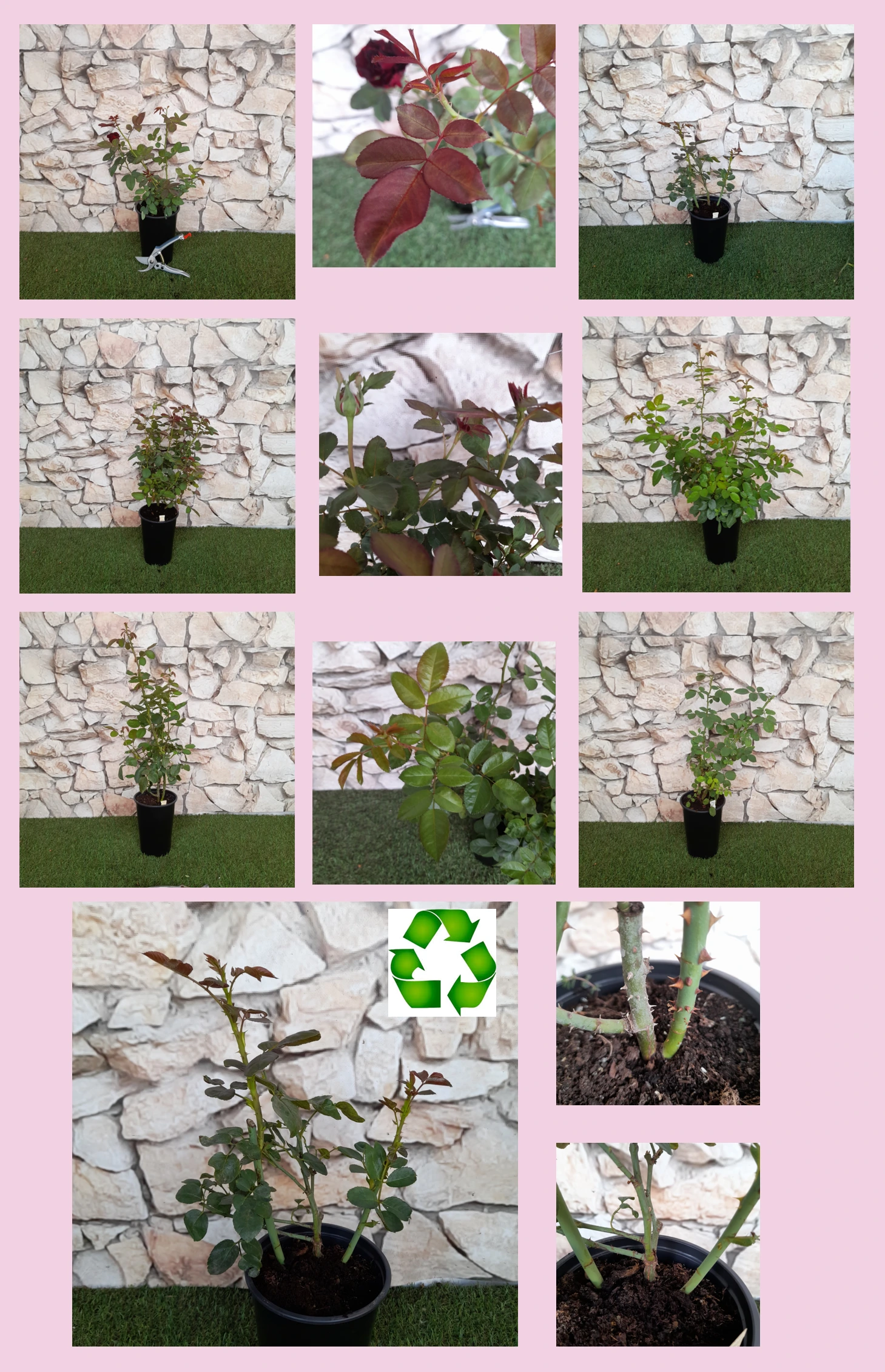
Crop overview: several varieties and growth stages in a short crop section.
Shoot system: intensive growth of fresh basal shoots on a young plant.
Root system: demonstration of a vigorous root system permeating the growing medium, by removing the pot.
Balance: mature plant with root system and shoots in harmony with each other.

Information about the videos
The video series is not a “seasonal showcase”; it illustrates the essence of pharmaROSA® own-root cultivation in a tangible way: how the plant is built up, what the root system is like and how the shoot system regenerates. The recordings were therefore made at different times and with plants at various stages of development, so mixed foliage levels and differing stages of growth may appear in the videos. They are not a ‘sample’ of the batch dispatched, but a visual explanation of how the technology works. The current condition of the rose available to order — typical for the given period and similar to what you can expect to receive in the parcel — is shown in the upper part of the product page.

pharmarosa.ptpharmarosa.dkpharmarosa.lupharmarosa.compharmarosa.co.ukpharmarosa.ltpharmarosa.atpharmarosa.bgpharmarosa.plpharmarosa.hrpharmarosa.sipharmarosa.grpharmarosa.czpharmarosa.depharmarosa.skpharmarosa.frpharmarosa.bepharmarosa.ropharmarosa.espharmarosa.itpharmarosa.nlpharmarosa.iepharmarosa.sepharmarosa.lvpharmarosa.eepharmarosa.fipharmarosa.ru

Product types

Pages for private customers
Garden roses for the family garden, with minimal care  → ORIGINAL®
Premium garden roses – instant impact, a truly showpiece garden  → EXTRA®
Pages for professionals and private customers
Roses for public spaces – large areas, sustainable maintenance  → NATURAL®
Roses for projects – hedge and row planting, fast implementation  → RAPID®
For professional partners only
Production – propagation material for garden roses, wholesale  → NEONATAL®

Company details

PharmaRosa Ltd.
Company registration number: 01-09-717479
VAT number: 13075314-2-43
Plant health registration no.: HU130721
Bank account (IBAN):
HU85117631891388688400000000
BIC (SWIFT): OTPVHUHB
Bank name: OTP Bank Nyrt.