Sangerhäuser Jubiläumsrose ® – MärchenRosen® peach‑pink bedding floribunda
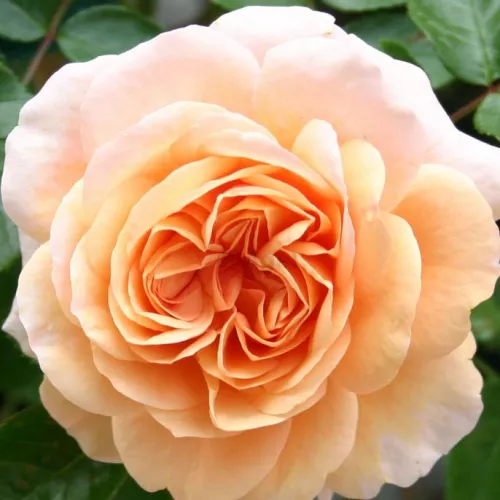
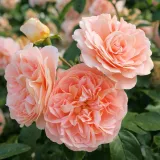
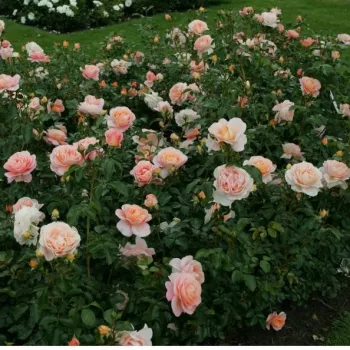
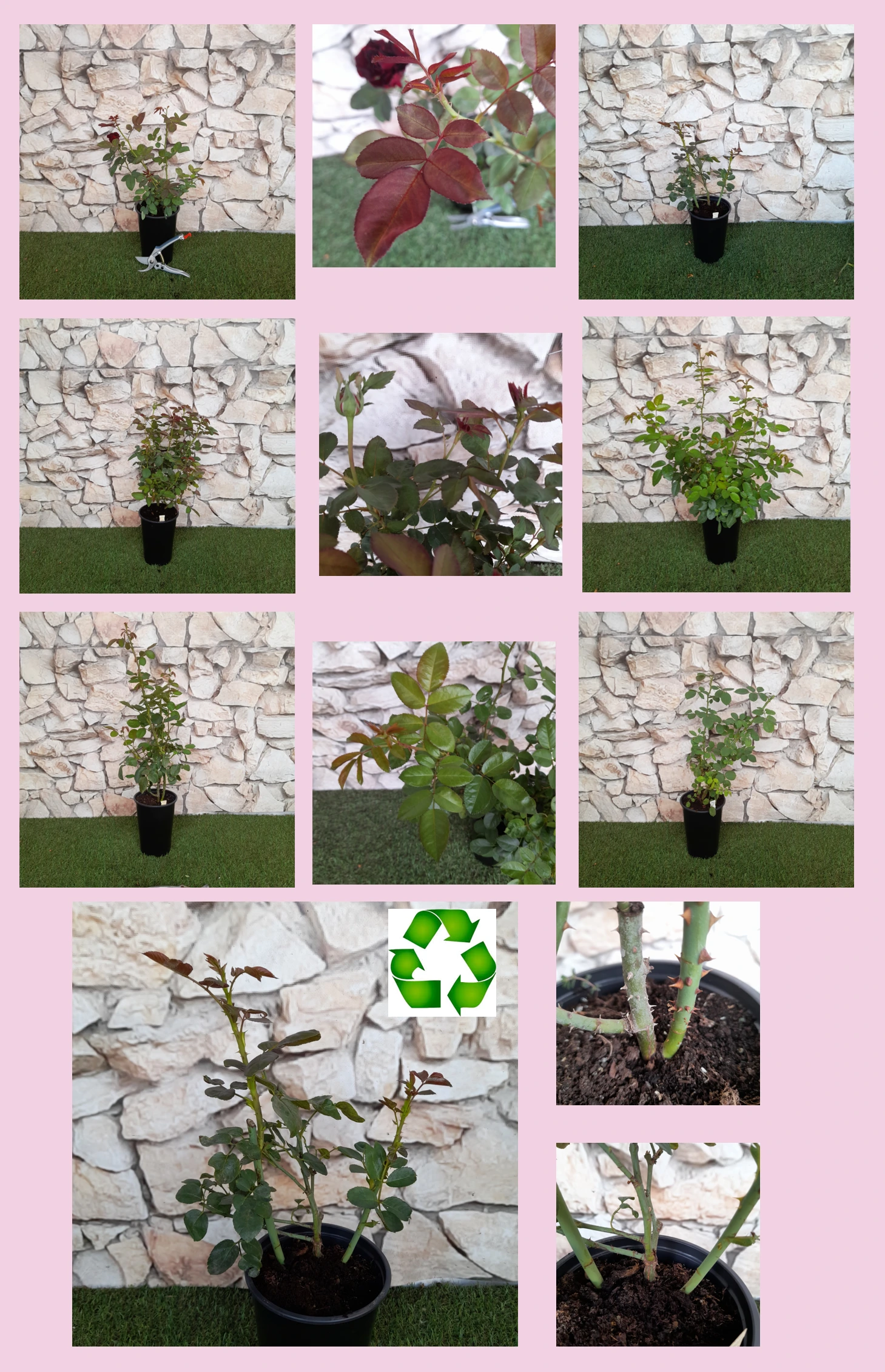
Pastel peach-pink clusters, a sweet fragrance and compact borders make Sangerhäuser Jubiläumsrose ® an easy choice for smart front gardens and cottage-style beds. Its bushy, upright habit and glossy foliage give a tidy look from spring to autumn, coping reliably even in wetter, wind-exposed spots with thoughtful water management. Bred by Kordes, this floribunda combines award-winning reliability with low maintenance, so you can enjoy repeat flushes of bloom without complicated pruning. As an own-root shrub it settles for the long term, maturing steadily – first establishing roots, then building shoots, and by the third year delivering its full ornamental value in everyday family gardens.
Usage options
| Target area |
Reasoning |
| Front garden feature bed by the path |
The compact, bushy habit and dense, glossy leaves keep borders looking neat close to the house, while medium-height growth frames windows and paths without overwhelming them. Repeat flowering brings fresh clusters through the season, giving reliable colour with simple deadheading for beginners. |
| Cottage-style mixed border with perennials |
Pastel peach-pink, cupped blooms work beautifully with whites, blues and soft yellows, blending effortlessly into classic cottage schemes. Clustered flowers read well from a distance, and moderate self-cleaning means the display stays presentable between weekend garden sessions for busy-owners. |
| Small group planting in front of evergreen shrubs |
Planting three to five together creates a rounded, unified mound of colour that sits well in front of darker evergreens. The upright yet bushy structure fills its allotted space without running, helping you keep a simple, structured layout that remains attractive year after year for homeowners. |
| Low-maintenance family flower bed |
Low maintenance needs and strong disease resistance reduce spraying and detailed care, suiting informal family gardens. Simple annual pruning keeps plants in shape, while repeat flowering means children and guests can enjoy roses for much of the summer with minimal effort for hobby-gardeners. |
| Long-lived rose area in a settled garden design |
As an own-root floribunda, the shrub builds a stable framework that regenerates well from its base, supporting a long lifespan in the same spot. This makes it a sound choice for planned rose beds where you want the structure to mature and remain dependable over many seasons for planners. |
| Coastal or weather-exposed front position |
The upright, well-branched frame and firm stems help it stand up to wind and rainfall, maintaining its shape in more exposed British gardens where shelter is limited, while good foliage cover protects the display so the planting still looks intentional and orderly for coast-gardeners. |
| Containers and large patio tubs |
The moderate height and rounded spread work well in sturdy pots of at least 40–50 litres, where the clustered blooms give a generous show near seating areas. Own-root growth adapts steadily to the container environment, supporting a durable, repeating display on terraces for patio-owners. |
| Urban front gardens and small plots |
Awards such as Gold Standard and Rose des Jahres indicate consistent performance under varied conditions, helpful in small urban spaces where every plant must earn its keep. Reliable repeat flowering and tidy structure give confident results even with basic care for city-beginners. |
Styling ideas
- Soft-edged welcome – Line a short front path with evenly spaced plants to create a low, peach-pink edging that stays neat and inviting – ideal for homeowners who want classic kerb appeal.
- Cottage harmony – Combine with oxeye daisy and pale yellow scabious for a relaxed, pastel mix where clustered roses weave through airy perennials – suited to lovers of informal cottage borders.
- Evergreen backdrop – Plant in front of dark yew or holly to let the glossy foliage and blooms stand out, giving a composed, long-lived structure – perfect for gardeners planning permanent layouts.
- Patio focus – Grow one shrub per large terracotta pot (40–50 litres) by a seating area so the sweet fragrance and repeat flowers can be enjoyed up close – good for balcony or terrace gardeners.
- Colour drifts – Use groups of three to five roses in a larger bed, repeating them between other shrubs to create soft waves of pastel colour – appealing to design-conscious beginners.
Technical cultivar profile
| Parameter |
Data |
| Name and registration |
Floribunda bed rose, registered as KORmamtiza; marketed as Sangerhäuser Jubiläumsrose ® MärchenRosen® and Cervia®, for bedding and exhibition floribunda categories. |
| Origin and breeding |
Bred by W. Kordes’ Söhne, Germany, from ('Roseromantic' × 'Heckenfeuer') × 'Bernstein'; bred 1993, registered 2002, introduced 2003 for garden and landscape use. |
| Awards and recognition |
Highly decorated floribunda: Bronze BUGA Rostock 2003, Silver Kortrijk 2004, UK Gold Standard 2010, and Rose des Jahres at Europa‑Rosarium Sangerhausen in 2023. |
| Growth and structural characteristics |
Bushy, upright shrub reaching about 60–85 cm high and 50–70 cm wide, with moderately thorny stems and dense, dark green, glossy foliage that gives a full, clothed appearance. |
| Flower morphology |
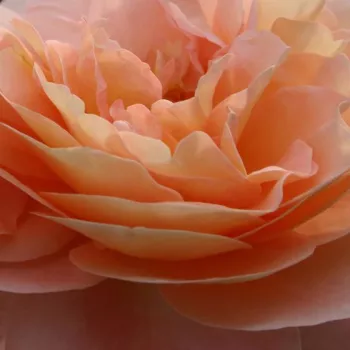
Medium-sized, double, cupped blooms with 26–39 petals, borne in clustered inflorescences; flowers repeat freely with a particularly strong second flush when reasonably maintained. |
| Colour data and phenology |
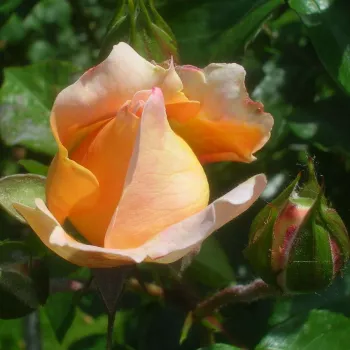
Pastel peach-pink blooms (RHS 36D outer, 36B inner), opening with a warmer centre, then softening towards light pink and cream; colour holds better in cooler conditions than in strong sun. |
| Fragrance and aroma |
Sweet-scented variety with a medium-strength perfume noticeable at close range, adding sensory interest without overwhelming nearby seating or windows in smaller garden spaces. |
| Hip characteristics |
Produces small, spherical red hips, about 6–10 mm across, usually in moderate quantities; hips follow when flowers are not deadheaded, adding a subtle seasonal accent in autumn. |
| Resistance and winter hardiness |
Classed as resistant overall, with good tolerance to powdery mildew, moderate black spot resistance and rust resistance; hardy approximately to −21 to −18 °C (RHS H7, USDA Zone 6b). |
| Horticultural recommendations |
Best in full sun with reasonable drainage; spacing 35–65 cm depending on use, giving around 5.7–6.5 plants/m² for mass planting, with low maintenance requirements and simple annual pruning. |
Sangerhäuser Jubiläumsrose ® offers compact, glossy growth, repeat peach-pink flowering and a sweet scent on a durable own-root plant, making it a thoughtful choice if you want dependable colour with minimal demands.