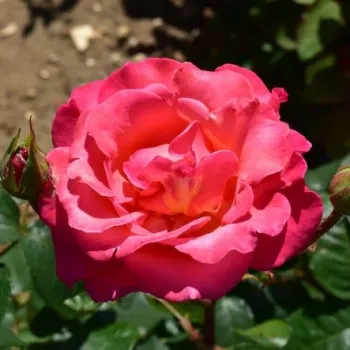
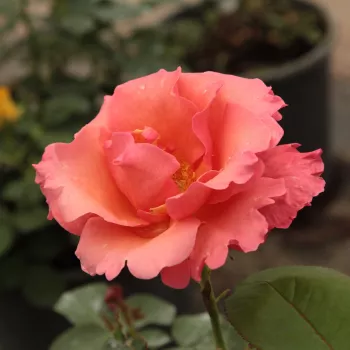
Sandringham Centenary™ hybrid tea rose
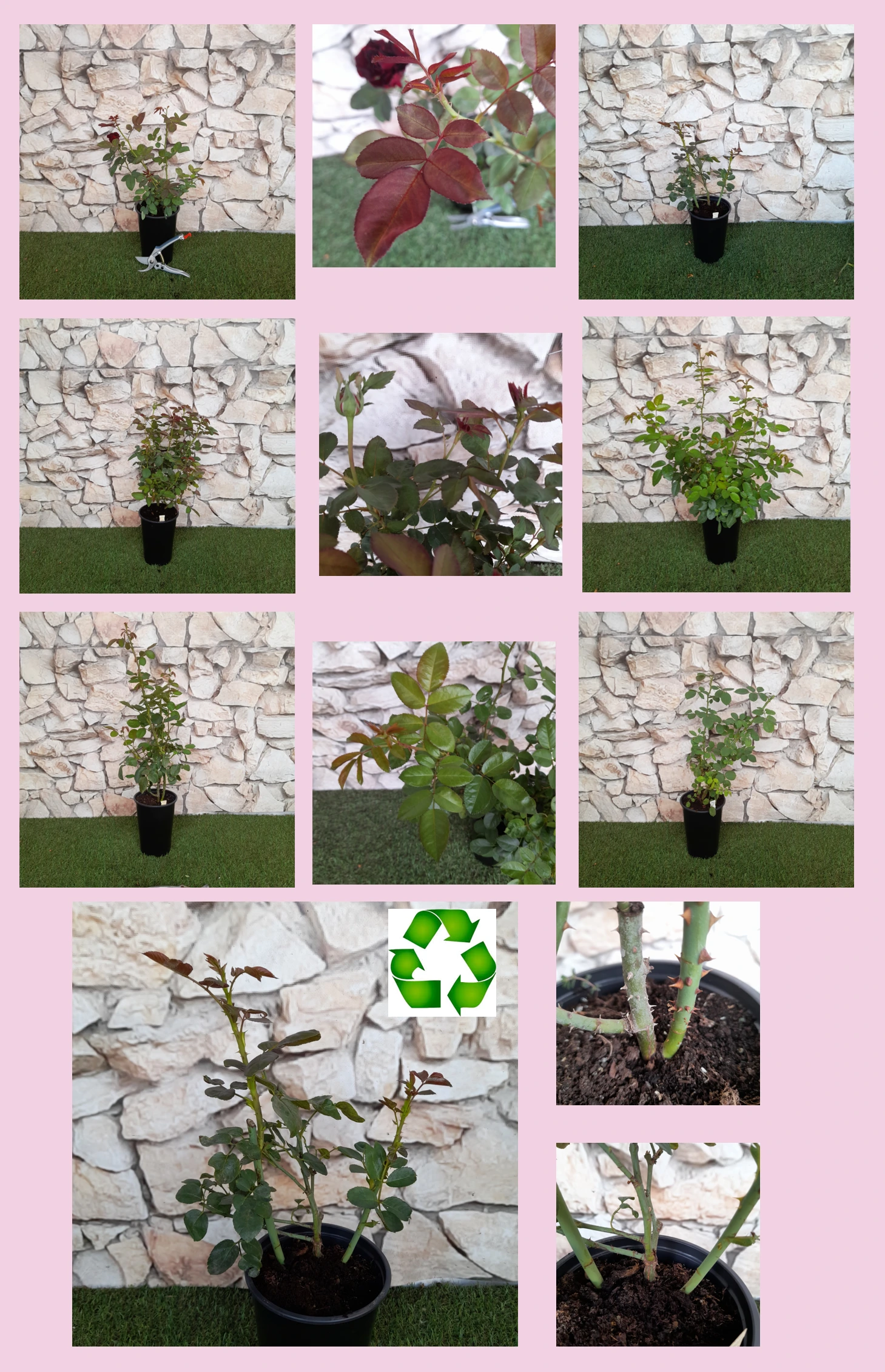
This hybrid tea brings a quietly luxurious note to classic British front gardens, combining stately blooms with reassuringly straightforward maintenance. Its warm orange‑pink flowers sit neatly on upright stems, ideal for borders and cutting, while the bushy habit suits compact around‑the‑house beds exposed to brisk breezes and occasional driving rainfall. As an own‑root rose it develops into a well‑anchored, long‑lived shrub that recovers well from pruning and everyday garden mishaps, steadily gaining strength from year to year. In its first season it concentrates on root development, in the second it builds strong flowering shoots, and by the third it shows its full ornamental value, rewarding patient, low‑input care with dependable colour and a composed, tidy presence near the home.
Usage options
| Target area |
Reasoning |
| Front garden focal point by the entrance path |
The upright, bushy habit and refined hybrid tea blooms create a composed focal point beside a front path or gate, giving structure without overwhelming smaller plots. Plant as a single specimen or in a trio, allowing it to settle over the first seasons for a reliable welcome for beginners. |
| Small border in family gardens |
Reaching about 100–140 cm with a 60–90 cm spread, this rose fits comfortably into typical UK family borders without demanding complex pruning or staking. Its medium maintenance level suits gardeners who can give occasional attention but want most weekends free for family life and relaxed owners. |
| Cottage-style mixed planting with perennials |
The warm orange‑pink flowers blend easily with lavender, hostas and variegated dogwoods, echoing traditional cottage planting while staying neat and upright. Moderate disease resistance means it stays presentable among other plants when given basic care, ideal for design‑conscious but time‑pressed gardeners. |
| Cutting bed for home flower arrangements |
Large, double, solitary blooms on straight stems lend themselves well to cutting for vases, bringing a subtle rose‑like fragrance indoors. Regular cutting encourages repeat flowering, making it a good choice where you want both garden display and home decoration, especially for enthusiastic home arrangers. |
| Courtyard or patio in a large container |
In a 40–50 litre or larger container with good drainage, this upright, moderately thorny shrub provides elegant colour close to seating areas. Own‑root growth gives long‑term stability, while its preference for sun fits typical paved courtyards, suiting busy urban residents. |
| Small group planting for structured, tidy beds |
Planted in groups of three to five at the recommended spacing, the consistent height and form create a tidy, formal rhythm along paths or driveways. Over time the own‑root plants knit into a balanced line, with a plentiful second flush ensuring summer continuity valued by neatness‑oriented households. |
| Low, informal hedge or boundary accent |
Used at closer spacing, it forms an informal flowering line that softens boundaries without blocking light. The moderate hardiness and sturdy framework cope well with breezier spots where winds and showers come through briskly, reassuring for exposed‑site garden owners. |
| Family home garden with long-term planting plans |
With moderate disease resistance, remontant flowering and own‑root resilience, this cultivar is well suited to long‑term planting schemes where you want shrubs that mature steadily rather than needing frequent replacement, aligning with patient, investment‑minded garden planners. |
Styling ideas
- Entrance Elegance – Position a single plant by the front path, underplanted with low lavender for scent and a soft base, ideal for homeowners wanting a classic, welcoming doorway.
- Cottage Trio – Plant three in a loose triangle with hostas and foxgloves to echo cottage charm while keeping structure, suited to those seeking romantic style without complex care.
- Cutting Corner – Dedicate a sunny border section to a small group, backed by tall grasses, for easy cutting stems and a relaxed look prized by home flower arrangers.
- Patio Feature – Grow one plant in a 50‑litre terracotta pot with trailing thyme at the rim, an option for balcony and courtyard gardeners wanting colour near seating.
- Soft Hedge – Line a short boundary with evenly spaced plants, interspersed with variegated dogwood, to create a gentle, flowering screen preferred by privacy‑seeking families.
Technical cultivar profile
| Parameter |
Data |
| Name and registration |
Sandringham Centenary™ hybrid tea rose; ARS exhibition name Sandringham Centenary; registered hybrid tea cultivar, part of the hybrid tea rose commercial group for garden and cutting use. |
| Origin and breeding |
Bred by Wisbech Plant Co. Ltd. from ‘Queen Elizabeth’ × ‘Baccará’; introduced and registered in 1981 by Wisbech Plant Co. Ltd. in the United Kingdom for ornamental and cut flower purposes. |
| Growth and structural characteristics |
Upright, bushy shrub reaching around 100–140 cm high and 60–90 cm wide, with moderately dense, glossy dark green foliage and moderate prickliness; suitable for borders, hedging and specimen use. |
| Flower morphology |
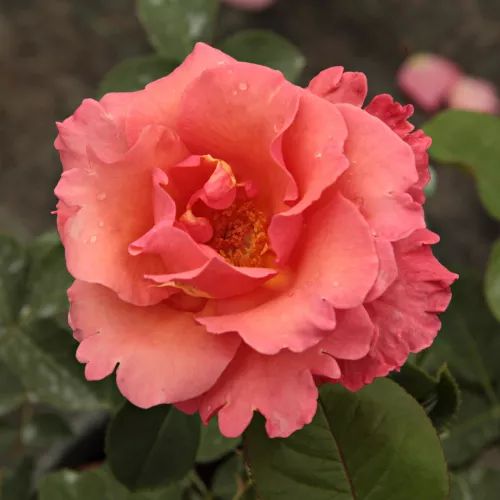
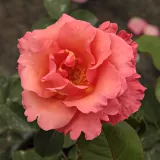
Large, double, cup‑shaped blooms with 26–39 petals, slightly ruffled edges and mostly solitary presentation; remontant with a good second flush, suitable for cutting and structured garden planting. |
| Colour data and phenology |
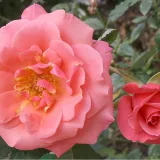
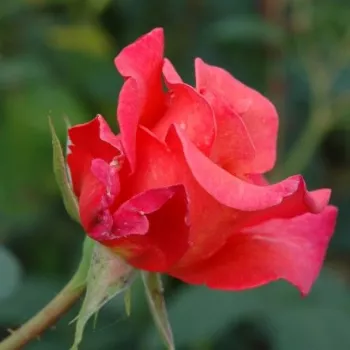
Warm orange‑pink with a subtle salmon tone; buds vibrant orange‑pink, maturing through rosy‑peach to light pink‑peach with a creamy cast; ARS op, RHS 31B outer and 31A inner petals; moderate colour retention. |
| Fragrance and aroma |
Mild, subtly scented rose‑like fragrance, noticeable at close range rather than distance; principally grown for colour and form but with a gentle scent that enhances cut flowers and seating areas. |
| Hip characteristics |
Produces small numbers of spherical, bright red hips about 8–12 mm in diameter; hips add a discreet seasonal accent in late season but are not usually the primary ornamental feature. |
| Resistance and winter hardiness |
Hardy to approximately −21 to −18 °C (RHS H7, USDA 6b, Swedish zone 3) with moderate resistance to powdery mildew, black spot and rust; benefits from routine monitoring and basic preventive care. |
| Horticultural recommendations |
Prefers a sunny spot with well‑drained soil; medium maintenance, including periodic pest and disease control. Space at 55–95 cm depending on use, with 2.4–2.7 plants/m² for mass or hedge plantings. |
Sandringham Centenary™ offers elegant orange‑pink blooms, reliable repeat flowering and adaptable, own‑root longevity for family gardens; a thoughtful choice if you value steady beauty with manageable care.