ROSENGARTEN ZWEIBRÜCKEN – purple-lilac climbing rose - Warner
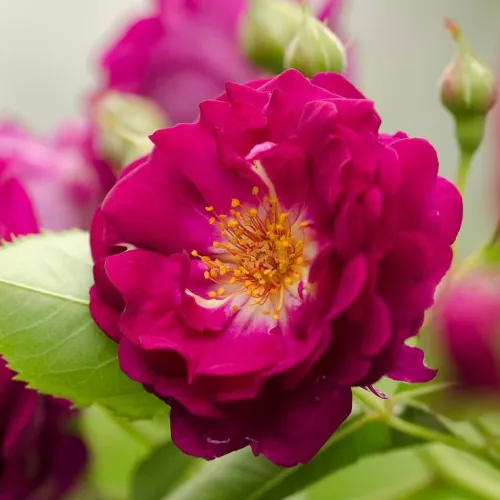
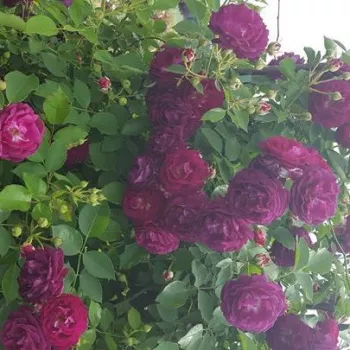
Climbing effortlessly over arches, fences and walls, ROSENGARTEN ZWEIBRÜCKEN gives you richly coloured, crimson-purple blooms with a very strong, garden-filling fragrance from early summer onwards. Its medium maintenance needs suit busy householders who want reliable flowering without complicated rose care, while its own-root form promises a long-lived, regenerating structure that settles securely over time. In typical British gardens it copes well when given reasonable drainage in wetter, windier spots near the house, helping it stand firm and stable even as it matures. Semi-double, cluster-flowered heads add a subtly romantic note to classic front gardens, with moderate appeal for visiting bees to keep the border lively. Over the first three years it will root in, build its framework, then deliver its full ornamental impact as a characterful, vertical highlight for family gardens.
Usage options
| Target area |
Reasoning |
| Front-garden rose arch over a path |
Use ROSENGARTEN ZWEIBRÜCKEN on a metal or wooden arch at the garden entrance to enjoy its richly scented crimson-purple flowers at head height. Remontant flowering ensures repeated waves of colour, while sparsely thorned canes make light training and tying-in more manageable for beginners. |
| Vertical accent on a sunny house wall |
Trained on tensioned wires, it creates a tall, flowering curtain that softens brickwork and elevates even modest façades. The own-root habit builds a durable framework that can regenerate from the base after pruning, giving a long-lived vertical structure that suits busy-owners. |
| Pergola or walkway in a family garden |
Planted at the posts of a small pergola, its medium density foliage and semi-double blooms provide dappled shade and a strong perfume without feeling too heavy. Recommended spacings allow good airflow, helping maintain health in more humid, wind-exposed British spots for family-gardeners. |
| Romantic cottage-style mixed border backdrop |
Let it climb behind perennials and shrubs to give a soft, romantic background of velvety purple-red clusters. Its colour progression from deep tones to lilac-pink harmonises with cottage favourites, offering a classic look without complex pruning demands for style-seekers. |
| Feature rose on a pillar or obelisk |
On a free-standing pillar, its 220–340 cm growth height creates a striking focal point even in smaller gardens. The moderate maintenance need suits those happy with occasional tying-in and seasonal pruning, rewarded by repeat blooms and powerful scent for hobby-gardeners. |
| Large container on terrace or patio |
In a very large container of at least 40–50 litres with a sturdy support, this climber brings vertical colour and fragrance close to seating areas. Own-root vigour and remontant flowering give a long service life, provided watering is consistent, ideal for patio-owners. |
| Lightly formal front boundary or fence line |
Spaced along a low fence, it can be trained in gentle horizontals to create a flowering boundary with good coverage from its 150–260 cm spread. Medium care needs and repeat-flowering habit deliver a smart, tidy look that remains achievable for time-poor. |
| Pollinator-friendly, scented seating corner |
Position near a bench or small seating nook where its very strong, berry-spiced fragrance can be appreciated, while semi-double flowers give moderate interest to bees without excessive deadheading. This works particularly well where drainage supports strong anchoring in wetter, windier areas for scent-lovers. |
Styling ideas
- Cottage Archway – Train over a simple timber arch, underplant with foxgloves and hardy geraniums to echo its shifting purple tones – for lovers of relaxed cottage entrances.
- Elegant Facade – Fan-train against pale brick or render, pairing with white clematis for contrast and extended season – for homeowners wanting a refined, classical frontage.
- Perfumed Pergola – Combine on a pergola with soft grasses and lavender edging so fragrance and movement frame a garden path – for families seeking a sensory everyday route.
- Patio Statement – Grow in a 50-litre container with an obelisk, surrounded by low marigolds and obedient plant to pick up its rich colouring – for urban gardeners with limited soil.
- Wildlife Corner – Let it climb a rustic fence with blue globe thistle and other nectar plants, where its semi-double flowers add moderate insect interest – for those encouraging gentle pollinator activity.
Technical cultivar profile
| Parameter |
Data |
| Name and registration |
Climbing rose cultivar Rosengarten Zweibrücken, registered as CHEwpurplex, a crimson-purple climber in the Climbing rose commercial group, verified for authenticity for pharmaROSA ORIGINAL production. |
| Origin and breeding |
Bred by Christopher H. Warner in the United Kingdom in 2009, later introduced via Rosen-Union e.G. in Germany after 2013, with plant variety protection registered in New Zealand in 2013. |
| Awards and recognition |
Awarded Gold Medal at the renowned Baden-Baden rose trials in 2010, indicating strong ornamental performance and overall garden value under independent European trial garden conditions. |
| Growth and structural characteristics |
Vigorous climbing habit reaching approximately 220–340 cm in height and 150–260 cm spread, with moderately dense, slightly glossy mid-green foliage and sparsely thorned shoots for easier training and handling. |
| Flower morphology |
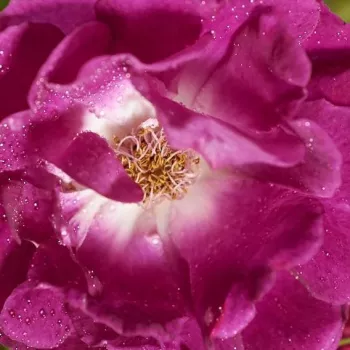
Semi-double, cup-shaped, cluster-flowered blooms of medium size, 13–25 petals, borne repeatedly in abundant flushes through the season, providing both decorative effect and moderate accessibility for visiting insects. |
| Colour data and phenology |
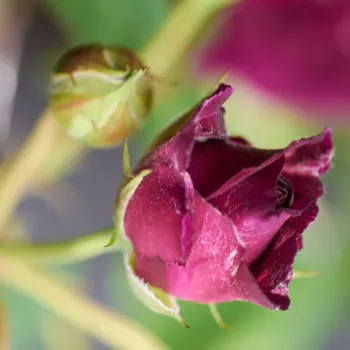
Deep crimson-purple blooms with violet tones, ARS code m, RHS 77A outer and 77B inner; colour gradually lightens to lilac-pink with mauve tinges as flowers age, giving a multi-tonal display on the plant. |
| Fragrance and aroma |
Very strongly scented, garden-filling perfume with a full-bodied, spicy, berry-like character, easily noticeable at a distance and particularly effective when planted near paths, seating areas or entrances regularly used. |
| Hip characteristics |
Produces moderate quantities of small, spherical red hips, approximately 6–10 mm in diameter, adding a discreet ornamental element and seasonal interest in late season if spent flowers are not removed. |
| Resistance and winter hardiness |
Hardy to about −21 to −18 °C, corresponding to RHS H7 and USDA zone 6b, with moderate resistance to black spot, powdery mildew and rust, benefiting from standard preventive care in humid regions. |
| Horticultural recommendations |
Suited to arches, pergolas, pillars, fences, walls and large containers; prefers well-drained soil, partial shade tolerance, and spacing of around 140–220 cm depending on use and planting scheme. |
ROSENGARTEN ZWEIBRÜCKEN offers richly scented crimson-purple clusters, flexible climbing height and a regenerating own-root framework, making it a long-lived choice for arches or walls if you would like a characterful, reliable garden feature.