Rosa Harisonii – yellow historic old garden rose – Harison
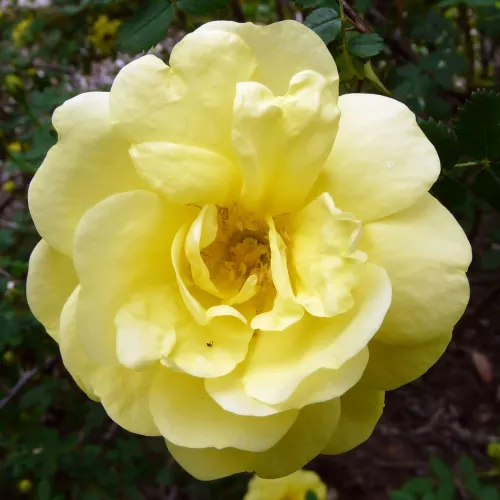
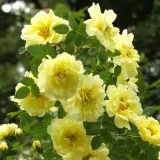
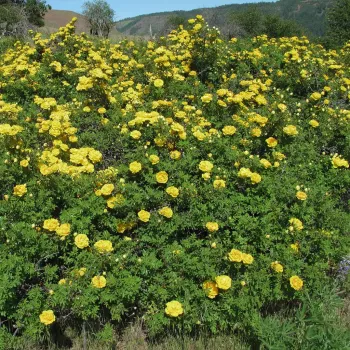
Historic yet refreshingly easy to live with, Rosa Harisonii brings a wave of clear, sunshine yellow blossom to family gardens, evoking classic cottage charm with minimal fuss. Once settled, its good heat and drought resilience means it copes reliably with drier spells and breezier UK weather, especially where drainage and wind exposure can both challenge planting. A single, dramatic spring flush covers the bushy, arching framework, then the well-shaped shrub and matt green-grey foliage hold their structure as a background to the rest of your planting. Semi-double, open blooms create welcome pollinator interest, while the own-root habit promises long-term longevity and the ability to regenerate from the base if ever cut back hard. Planted as a specimen, informal hedge or in small groups, it quickly settles into its permanent place, gradually building a steady, reliable presence that suits busy gardeners who want their rose to thrive without complicated maintenance.
Usage options
| Target area |
Reasoning |
| Front-garden specimen shrub |
Its bushy, upright-arched habit and 130–230 cm height make Rosa Harisonii an ideal single focal shrub beside a path, bay window or entrance. The once-a-year spring display of clear yellow flowers is concentrated and showy, then the matt green-grey foliage continues to structure the space without demanding constant attention – a reassuring choice for the beginner. |
| Informal hedge or boundary line |
Dense thorniness, strong framework and medium maintenance needs make this cultivar well suited to an informal boundary or low security hedge. Plant at the recommended hedging distance for a protective, wildlife-friendly line that flowers in a dramatic flush, then settles back into a restrained green screen, appealing to those wanting privacy with minimal ongoing shaping – ideal for the homeowner. |
| Cottage-style mixed border |
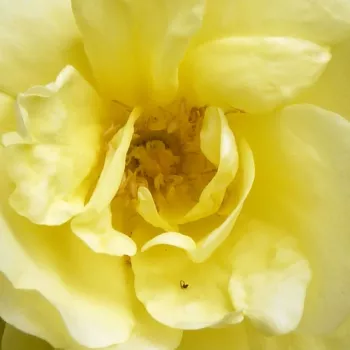
The warm, saturated yellow combines beautifully with classic cottage perennials and works particularly well in small groups of 1–3 plants, where the once-blooming flush becomes a seasonal highlight. Semi-double flowers with visible stamens add a natural, old-fashioned feel that blends easily into relaxed planting schemes – perfect for lovers of the cottage garden look. |
| Pollinator-friendly rose corner |
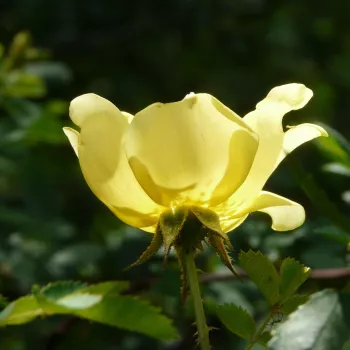
Semi-double, cup-shaped blooms with exposed stamens provide partial support for bees and other insects at flowering time, bringing activity and movement to smaller gardens. While not an all-season nectar source, its concentrated spring display offers a valuable window of forage within a broader pollinator-friendly scheme – suited to the environmentally aware gardener. |
| Low-input, drought-aware planting |
Once established, Rosa Harisonii tolerates heat and moderate drought well, needing relatively little watering compared with more demanding roses. In UK conditions this makes it a sound option for sunnier, free-draining spots or busier owners who prefer resilient shrubs over thirsty bedding, particularly where summers are becoming noticeably drier – helpful for the time-pressed urbanite. |
| Naturalistic and slope plantings |
Its robust root system and bushy structure make it valuable on gentle banks, larger beds or informal edges where you want a naturalised, slightly wilder appearance. Occasional hips add seasonal interest, and once the shrub is anchored it copes well with less frequent visits, supporting schemes where access can be awkward – reassuring for the practical planner. |
| Part-shade tolerant side garden |
This rose tolerates partial shade, so it can be placed in those side plots or around-the-house borders that receive only part-day sun. Flowering is still good in a bright, open aspect, and the structural foliage carries the planting through the rest of the year even where stronger winds and imperfect drainage would rule out fussier varieties – useful for the realistic householder. |
| Long-term own-root planting scheme |
As an own-root shrub, Rosa Harisonii forms its permanent shape in situ and can regenerate from the base if pruned hard or after winter damage. This underpins a long lifespan, with the plant steadily building presence over its first seasons, then holding a stable form for years, giving confidence that your initial effort will be rewarded – reassuring for the long-view planner. |
Styling ideas
- COTTAGE TRIO – Plant 3 shrubs in a loose triangle among soft perennials such as Liatris spicata ‘Alba’ and Physostegia ‘Rosea’ for a spring yellow highlight in a classic front garden – for cottage-style enthusiasts.
- SOFT HEDGE – Use a staggered double row at hedging distance to form an informal, flower-laden boundary that needs only light annual tidying – for families wanting gentle privacy.
- FRONT-DOOR FOCUS – Position a single shrub by a path or gate, underplanted with low ornamental alliums, to give a defined yet easy-care welcome in smaller plots – for busy homeowners.
- NATURAL BANK – Dot plants along a sunny slope, allowing arching stems and moderate hips to blend into grasses for a softly wild look with modest upkeep – for relaxed landscapers.
- YELLOW ACCENT – Place one or two shrubs in a mixed border as a seasonal yellow “punctuation mark”, letting the green-grey foliage recede once flowering ends – for design-conscious beginners.
Technical cultivar profile
| Property |
Data |
| Name and registration |
Historic shrub rose from the Old rose group, marketed as Rosa Harisonii or Harison’s Yellow; an unregistered historic garden variety used in collections and landscape plantings. |
| Origin and breeding |
Raised in the United States around 1824 by George Folliott Harison from Rosa foetida ‘Persiana’ × Rosa spinosissima, introduced to gardens circa 1830 as a durable historic shrub. |
| Growth and structural characteristics |
Bushy, upright to arching shrub 130–230 cm high and wide, with moderately dense, matt green-grey foliage and dense prickling; forms a substantial, characterful framework over time. |
| Flower morphology |
Semi-double, medium-sized, cup-shaped blooms (13–25 petals) carried mostly solitary; once-blooming mid-season flush provides a strong, concentrated display before self-cleaning well. |
| Colour data and phenology |
Bright, warm sunshine-yellow flowers, opening lemon-yellow from deep golden buds; colour holds fairly well, fading only slightly, especially in cooler weather and less intense sunshine. |
| Fragrance and aroma |
Mild, restrained fragrance with a delicate, elegant character; not overpowering near paths or doors, but adds a subtle traditional rose note during its main flowering period. |
| Hip characteristics |
Occasional spherical hips 11–19 mm across, turning from green through red to black; modest ornamental effect but adding a naturalistic touch in informal and wildlife-friendly plantings. |
| Resistance and winter hardiness |
Hardy to approximately –34 to –32 °C (RHS H7, USDA 4a) with moderate disease resistance; tolerates heat and moderate drought well once established, requiring relatively few interventions. |
| Horticultural recommendations |
Best in sun or light shade with reasonable drainage; space 105–190 cm depending on use. Suitable for hedges, specimens and naturalistic schemes; medium maintenance under typical garden care. |
Rosa Harisonii offers a concentrated flush of sunshine-yellow blossom, drought-tolerant ease and enduring own-root staying power, making it a thoughtful choice if you want a characterful historic rose that quietly earns its place over time.