| Front garden specimen by the path |
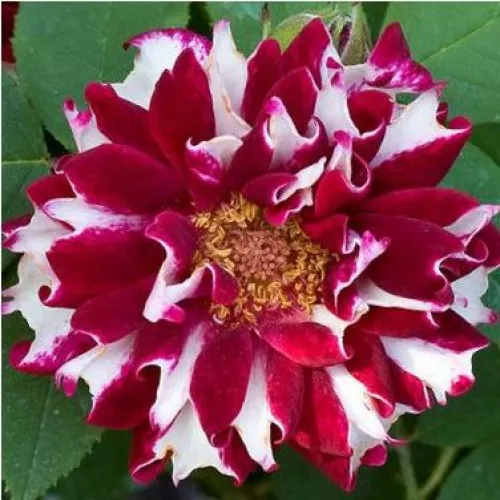
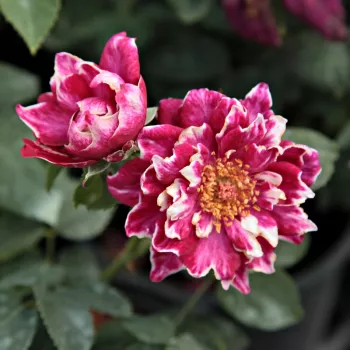
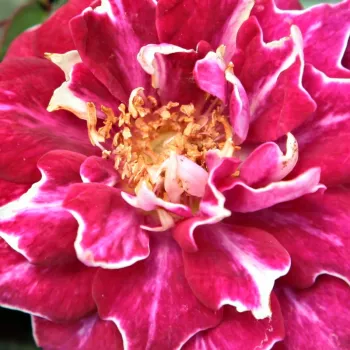
Used as a single shrub near the entrance, ‘Roger Lambelin’ shows off its striking burgundy-red and white blooms as a focal point that looks impressive without intricate pruning. The bushy, upright habit forms a rounded presence that frames paths and doorways in smaller front gardens. With low maintenance needs beyond watering and the occasional deadheading, it suits those who want a strong visual effect from one carefully chosen plant – ideal for the house-proud, time-poor gardener. |
| Small cottage-style bed in a family garden |
In a mixed cottage bed this rose pairs beautifully with traditional perennials such as lavender, ornamental grasses and blanket flowers, creating a softly romantic, layered look. The repeat flowering brings colour back several times through the season, so the border never feels bare between flushes. Its heritage character blends easily with classic cottage plants while the robust health reduces the need for spraying, suiting families who prefer informal, nature-friendly borders but still want order and charm around the home. |
| Feature group of 3 roses under a window |
Planting three bushes together at the recommended spacings produces a generous, billowing effect under front windows or along a short fence. The consistent bushy growth habit helps the group read as one coherent feature, even for less experienced pruners. Regular watering keeps the flowers coming steadily, and the strong, long-lasting scent can drift indoors when windows are open. This usage works well where you want reliable flowering structure with only simple annual cutting back, suiting busy homeowners. |
| Low hedge or loose boundary marker |
At hedging distances, ‘Roger Lambelin’ forms a loose, flowering line that defines paths or separates driveway from garden without feeling heavy or formal. The reasonably dense foliage and steady height make it easy to read as a boundary, while the coloured blooms add interest through the summer months. Its good disease resistance keeps the hedge greener for longer with limited intervention, especially useful where you would rather spend time enjoying the garden than maintaining it, appealing to relaxed family gardeners. |
| Mixed perennial border with seasonal interest |
Within a longer border, this rose provides mid-height structure and deep colour that anchor lighter planting such as grasses and herbaceous perennials. The semi-double flowers rebloom well, giving repeated accents so the border does not rely solely on perennials’ peak weeks. Its strong fragrance adds another layer of interest on warm evenings, and the own-root form helps the shrub mature steadily year after year, reassuring gardeners who want lasting framework plants rather than short-lived fillers, especially beginners. |
| Traditional park-style planting in a private garden |
If you enjoy historical gardens, you can recreate a small park-style planting using several ‘Roger Lambelin’ bushes in a simple geometric bed. The heritage form and colouring suit Victorian and Edwardian-inspired layouts, yet the plant’s modern disease resistance keeps upkeep reasonable without specialist knowledge. Regular watering is usually all that is needed to sustain healthy growth, while simple annual pruning maintains shape. This approach suits enthusiasts who like classic rose displays but prefer straightforward, repeatable care at home. |
| Large decorative container near a seating area |
In a substantial container of at least 40–50 litres, this rose becomes a movable focal point for patios or terraces, where its strong scent and unusual colouring can be enjoyed up close. Good drainage in the pot helps it cope where garden soil is heavy, supporting healthy roots and flowering. Own-root growth makes the plant more stable long-term in a container compared with grafted roses, provided watering is regular, making it a reassuring option for balcony or courtyard gardeners seeking character without complexity for urban. |
| Nature-friendly corner with subtle wildlife value |
Although not the most open-flowered type, its semi-double blooms still offer some access for pollinators, and the small red hips provide seasonal interest later on. In a lightly managed corner, the good disease resistance means fewer chemical treatments, supporting a more nature-friendly approach. The bushy structure offers modest shelter for small creatures while remaining neat enough for a family setting, especially where you prefer soft boundaries and low-input gardening – a comfortable fit for environmentally aware householders. |