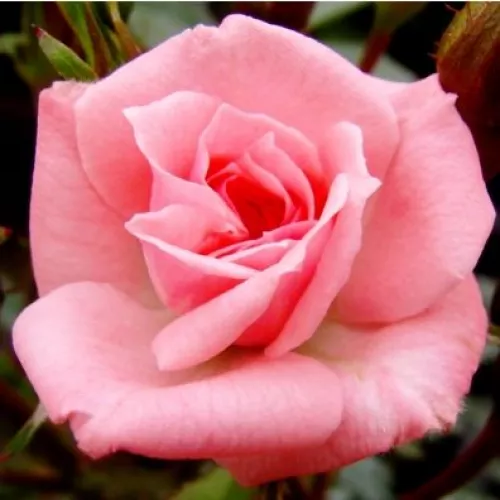
Uniform, full mid-pink shade with a lighter outer edge. - dwarf, miniature rose - light, restrained-scented rose - classic, rose-like character
– Compact, bushy growth for small spaces.
– Reliable remontant rose with abundant blooms.
– Refined goblet-shaped, double pink flowers.
– Excellent disease resistance for healthy plants.
– Very good colour retention from bud to fading.
– Special feature: Bred by Bruce F. Rennie in Canada, 1999.
Horticultural experience – Sleek forms
pharmaROSA® ORIGINAL 2-litre own-root potted rose
18,70 £
Unfortunately, we are currently unable to ship to the United Kingdom; we only deliver to countries within the European Union. For more information, please contact us!
4(6114)
RENNIE'S PINK™ – pink dwarf-mini rose – Rennie
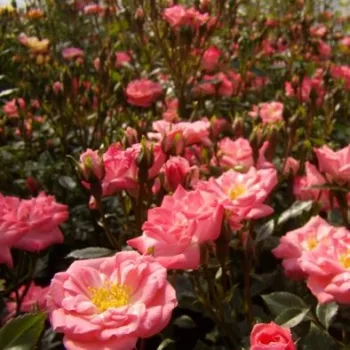
Compact and naturally bushy, RENNIE'S PINK™ settles neatly into small British gardens where strong winds and rain call for plants with good stability and reliable shape. Its mid-pink, double blooms appear in generous clusters on a low, upright shrub, keeping paths and windowsills framed yet uncluttered. Bred in Canada and offered here as an own-root plant, it develops quietly into a long-lived feature, regenerating from its own wood and maintaining its ornamental value with modest care. Expect steady progress – roots in the first year, more top growth in the second, and full garden impact by the third – with repeat flowering, healthy foliage, and a light, classic rose fragrance. Ideal for front gardens, cottage-style borders, and large pots, this rose stays manageable in size, resisting common fungal problems and rewarding regular watering and basic feeding with season-long mid-pink colour that sits harmoniously among perennials. Its low-maintenance, hardy character makes it an easy choice when you want to plant once and enjoy for years.
Rennie’s Pink™ at full bloom, showing its mid-pink double flowers.
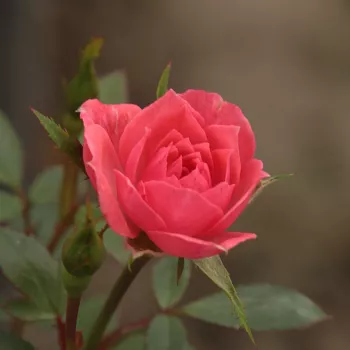
Rennie’s Pink™ mély rózsaszín, zárt bimbója
Usage options
Target area
Reasoning
Front garden edging and along paths
The dwarf, upright habit forms a tidy low line that does not spill onto paths or driveways, ideal for keeping entrances smart and easy to navigate in compact spaces. Best for time-pressed, appearance-conscious homeowners.
Small beds in family gardens
Its moderate spread and bushy structure make spacing simple and allow you to achieve a full look with just a few plants, giving reliable pink colour without complex design work. Suited to relaxed but quality-seeking beginners.
Mixed cottage borders with perennials
The clear mid-pink clusters and glossy mid-green leaves sit well with classics like lavender and lady’s mantle, integrating easily into informal cottage schemes over time. Ideal for traditional-style garden enthusiasts.
Containers and large terrace pots (40–50 litres+)
The compact root system and modest height adapt well to sizeable containers, making balcony or patio planting straightforward when drainage is sound and watering is regular. Perfect for busy urban gardeners.
Low-maintenance family planting near play areas
Its strong disease resistance and low intervention needs reduce spraying and complicated routines, allowing clean foliage and flowers to be enjoyed close to everyday family spaces. Designed for practical-minded garden users.
Cold-exposed or wind-prone garden spots
With H7 hardiness and a stable, low canopy, it copes well where winters bite and gusts are frequent, anchoring firmly once established in typical clay or loam soils. Reassuring for weather-aware UK garden owners.
Season-long colour focus points
Good repeat flowering and strong colour retention keep the mid-pink shades fresh through the season, offering dependable splashes of colour without continual replanting. Ideal for decorative-impact-driven planners.
Simple, long-term own-root rose groupings
Planted in small groups at the recommended spacing, own-root plants thicken into a stable, regenerating stand that responds well to basic pruning, even in wet, windy conditions near the house. Best for confidence-seeking rose newcomers.
Styling ideas
COTTAGE RIM – Line a low front bed with this rose and underplant with Alchemilla mollis for soft chartreuse froth – for lovers of classic cottage thresholds
POT PAIRING – Plant a single bush in a 50-litre terracotta pot with trailing thyme at the rim – for balcony and terrace-focused homeowners
PASTEL STRIP – Create a narrow pastel border by alternating RENNIE'S PINK™ with pale lavender and soft grasses – for design-conscious beginners
WINDOW FRAME – Position small groups beneath windows where height must stay low but colour is welcome – for those curating neat around-the-house plantings
FAMILY CORNER – Combine with compact herbs and low perennials beside seating or play spaces for easy-care, season-long interest – for busy family gardeners
Technical cultivar profile
Property
Data
Name and registration
Miniature shrub rose marketed as RENNIE'S PINK™, a dwarf mini rose from the Mini collection; commercial type and group defined as mini-dwarf, with exhibition name Rennie’s Pink.
Origin and breeding
Bred in Canada by Bruce F. Rennie, introduced around 1999; parentage and breeding institution are not recorded, with distribution history and registration date not documented.
Growth and structural characteristics
Compact bushy shrub, 25–35 cm high and 35–45 cm wide, upright yet rounded; moderately dense, glossy mid-green foliage with moderate prickliness and a neat overall outline.
Flower morphology
Small, double blooms of 0.5–1.5 inches, borne in clusters; 26–39 petals form goblet to cup-shaped flowers, repeating well and giving a generous second flush through the season.
Colour data and phenology
Clear mid-pink with lighter outer petal edges, ARS MP, RHS 68B/65C; colour lightens gradually to pastel with occasional silvery veil, retaining decorative effect well before petal drop.
Fragrance and aroma
Light, restrained scent with a classic rose-like character; perceptible at close range without dominating nearby seating or confined spaces such as small courtyards or front gardens.
Hip characteristics
Occasionally sets very small rose hips of negligible diameter, usually without significant ornamental effect, so the plant is grown primarily for its flowers rather than autumn fruit.
Resistance and winter hardiness
Rated H7 and USDA 5b, tolerating roughly −26 to −23 °C; good resistance reported to powdery mildew, black spot and rust, supporting low-chemical, low-intervention maintenance regimes.
Horticultural recommendations
Plant 30 cm apart for massing, 25 cm for low hedging, 45 cm as specimens; 6.3–7.2 plants/m²; own-root 2-litre plants need only basic watering, feeding and simple annual pruning.
RENNIE'S PINK™ offers compact growth, reliable repeat flowering and strong disease resistance in a long-lived own-root form, making it a thoughtful choice when planning an easy, enduring rose feature.
Detailed product attributes
Product Identification Data
Product Name:
RENNIE'S PINK™ – pink dwarf-mini rose - Rennie
Product Type:
pharmaROSA® ORIGINAL - 2-litre own-root potted rose
Closed Bud:
Deep pink bud with a subtly glossy surface; the colour is more intense at the tip.
Newly Opened Flower:
Clear, fresh mid-pink, with the edges of the outer petals paler.
Full Bloom:
Still mid-pink, with a subtly darker tone at the centre of the flower.
Before Fading:
The colour lightens to a pastel pink, occasionally with a slight silvery veil.
Colour Fading Description:
The mid-pink shade fades moderately during opening: it remains distinct at full bloom, becoming a pastel pink before the bloom fades, sometimes with a slight silvery veil.
Pollinator Attraction:
Its densely double flower form likely makes it less attractive to pollinators, as the double structure can obscure the stamens and reduce their accessibility.
Our product is a rose grown with pharmaROSA®’s unique cultivation technology!
2-litre, own-root, potted rose.
With a shoot system appropriate to the season.
With a root system that thoroughly permeates the growing medium.
Quality compliant with the requirements of the E.N.A. (European Nurserystock Association).
Supplied in unique packaging that prevents damage.
Can be planted during frost-free periods.
True-to-variety rose bush with a unique identifier.
The pharmaROSA® own-root potted rose is a well-rooted plant that supports reliable establishment when planted and cared for properly, so it can be planted whenever the soil is not frozen.
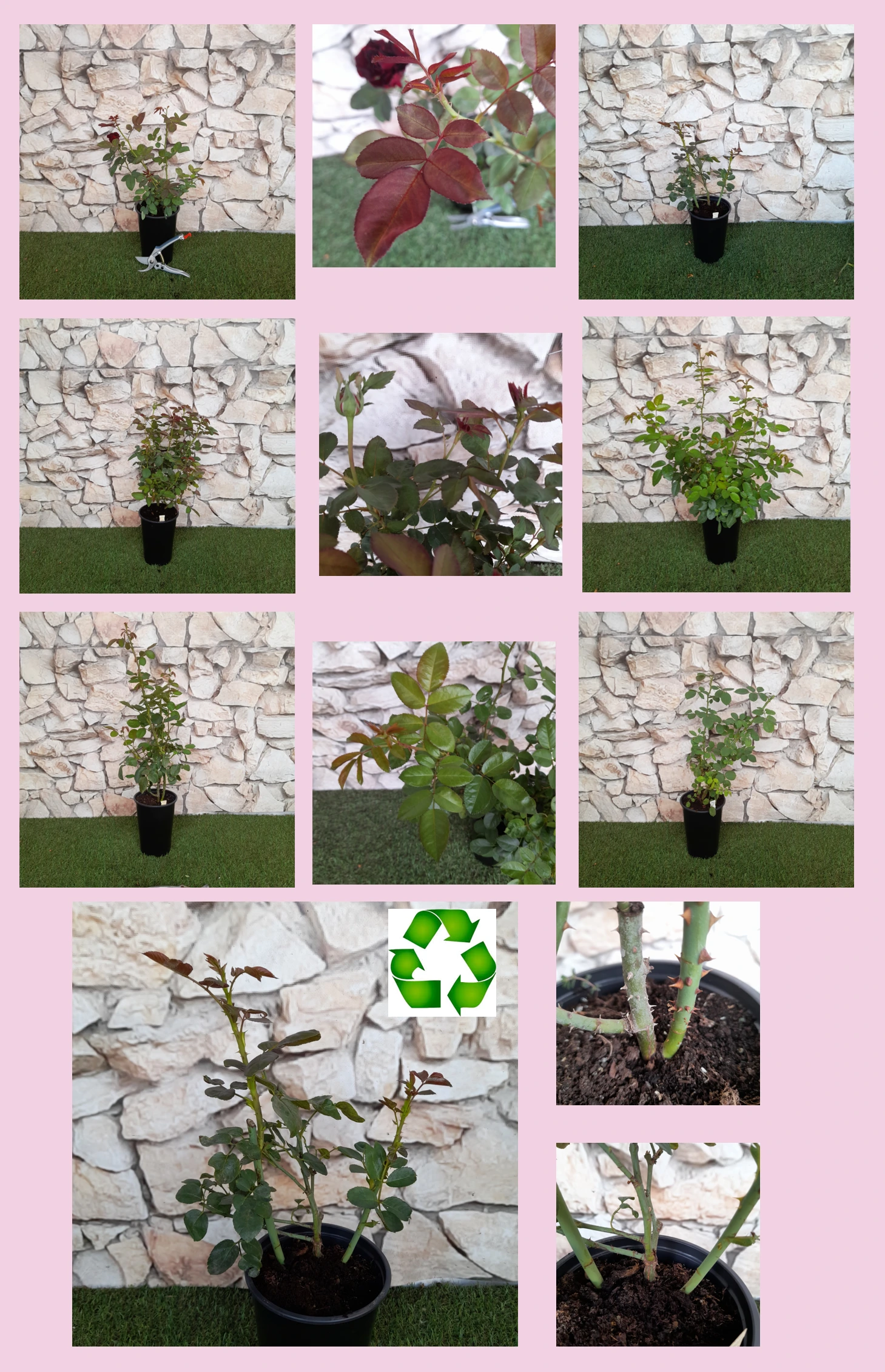
Crop overview: several varieties and growth stages in a short crop section.Shoot system: intensive growth of fresh basal shoots on a young plant.Root system: demonstration of a vigorous root system permeating the growing medium, by removing the pot.Balance: mature plant with root system and shoots in harmony with each other.
Information about the videos
The video series is not a “seasonal showcase”; it illustrates the essence of pharmaROSA® own-root cultivation in a tangible way: how the plant is built up, what the root system is like and how the shoot system regenerates. The recordings were therefore made at different times and with plants at various stages of development, so mixed foliage levels and differing stages of growth may appear in the videos. They are not a ‘sample’ of the batch dispatched, but a visual explanation of how the technology works. The current condition of the rose available to order — typical for the given period and similar to what you can expect to receive in the parcel — is shown in the upper part of the product page.
Pages for private customers Garden roses for the family garden, with minimal care → ORIGINAL® Premium garden roses – instant impact, a truly showpiece garden → EXTRA® Pages for professionals and private customers Roses for public spaces – large areas, sustainable maintenance → NATURAL® Roses for projects – hedge and row planting, fast implementation → RAPID® For professional partners only Production – propagation material for garden roses, wholesale → NEONATAL®
Company details
PharmaRosa Ltd. Company registration number: 01-09-717479 VAT number: 13075314-2-43 Plant health registration no.: HU130721 Bank account (IBAN): HU85117631891388688400000000 BIC (SWIFT): OTPVHUHB Bank name: OTP Bank Nyrt.