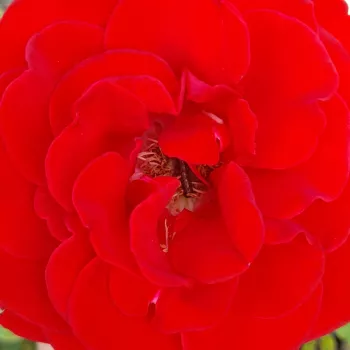
RED NOSTALGIE – red hybrid tea rose – Evers
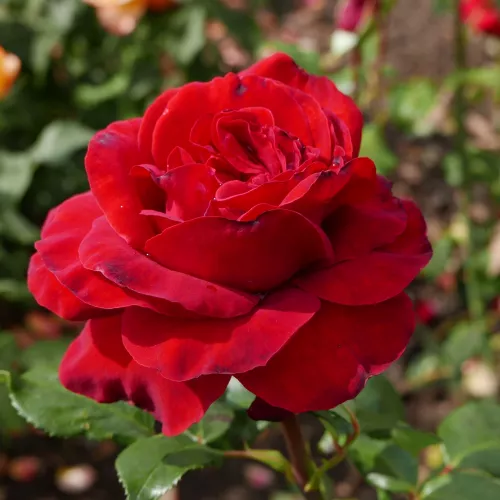
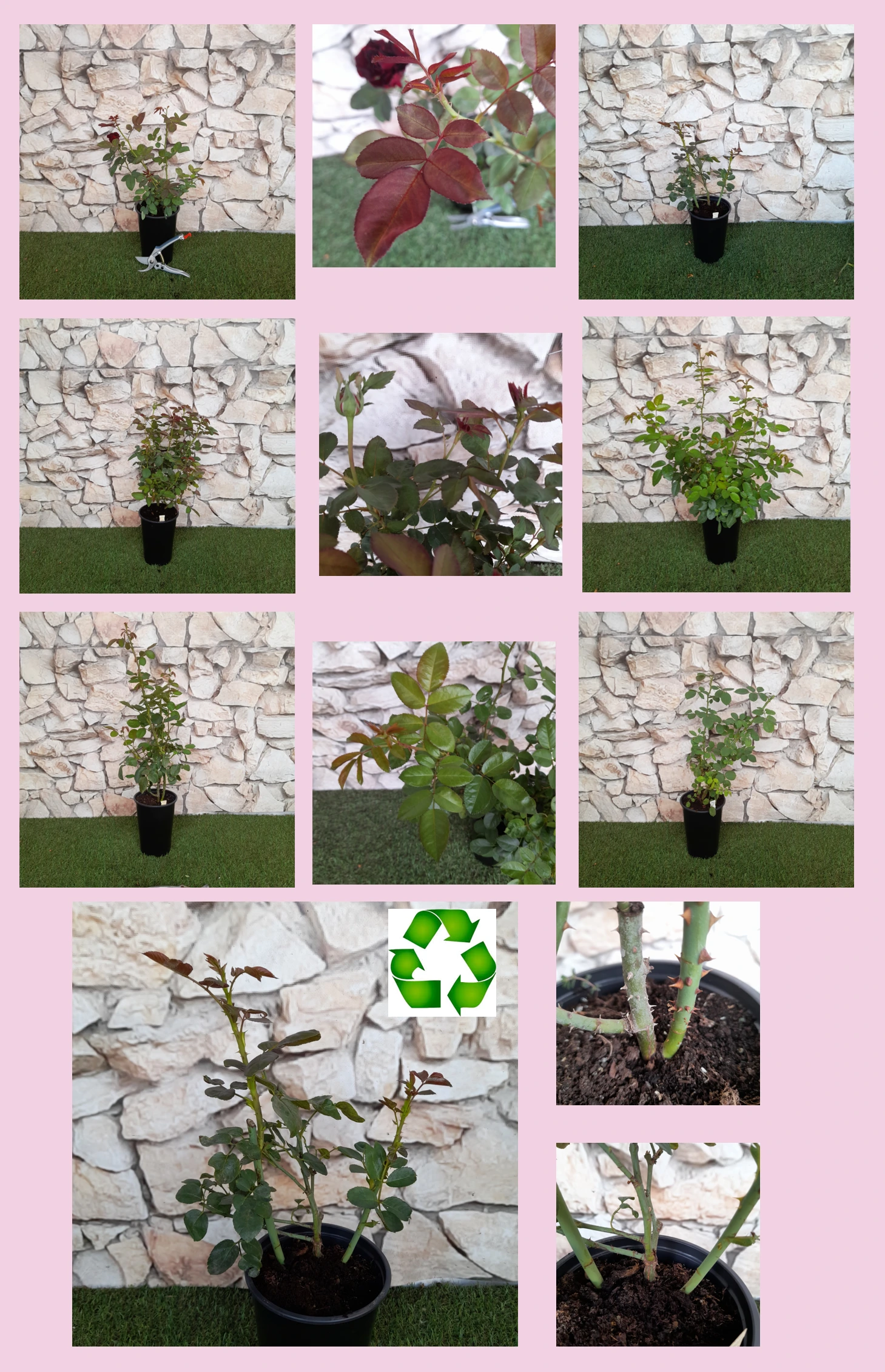
With its velvety deep-red blooms and upright habit, RED NOSTALGIE brings classic hybrid tea elegance into everyday gardens while remaining manageable for those who prefer simple maintenance. This compact yet striking rose sits comfortably in smaller borders and front gardens, where its large, double flowers make a vivid focal feature and provide superb long-stemmed cut flowers for the home. The colour holds well in sun and stays richly red, ideal for exposed British plots where light and breeze are constant companions and where improved drainage prevents the worst of heavy clay soils. Planted as an own-root shrub, it settles in steadily, forming a well-anchored, long-lived bush that responds positively to regular feeding and plant protection. In a typical family garden you can expect strong root establishment in the first year, then noticeably fuller top growth in the second, with the third season delivering its full ornamental impact and reliable repeat flowering from early summer into autumn.
Usage options
| Target area |
Reasoning |
| Front garden focal point |
The upright, compact growth and dark, velvety-red blooms create a refined, formal accent beside a path or entrance without demanding a large planting space. Best where you can enjoy individual flowers at eye level and appreciate their form for beginners. |
| Cutting row in a family garden |
Large, solitary, double flowers on sturdy stems make this rose particularly suitable for cutting, providing classic hybrid tea blooms for vases and gifts. Plant in a sunny row with easy access so stems can be taken regularly by homeowners. |
| Small mixed border with cottage perennials |
The strong red colouring stands out against looser companions such as geraniums, yarrow and creeping bugle, giving structure and height. Good where you want one clear architectural element within a relaxed planting, suited to cottage‑style gardeners. |
| Specimen rose in decorative container |
Its upright habit and dense foliage allow it to perform well in a large pot, provided you choose at least 40–50 litres and water and feed regularly. This is ideal for patios or rented homes where permanent beds are limited, appealing to urbanites. |
| Formal pair flanking a path or doorway |
Two matching plants spaced evenly create a symmetrical entrance feature, with repeat flowering carrying colour through the season. Works particularly well in smaller front gardens where tidy structure is important for time‑pressed families. |
| Rose bed with classic colour scheme |
The stable, non-fading red and uniform flower form give a dependable block of colour that looks composed from a distance. Use in groups of 3–5 plants in beds where consistent performance and an orderly impression matter for perfectionists. |
| Part‑shaded side border |
Suitable for partial shade, this variety copes with the light conditions often found along side passages between houses, where full sun is limited but warmth and shelter help flowering. Here good air circulation and drainage balance heavier soils for practical gardeners. |
| Long‑term structure in a dedicated rose area |
As an own-root shrub, the plant gradually builds a stable framework that regenerates well after pruning, giving dependable form year after year if protected against disease. Best for gardeners planning a long-lived rose section and willing enthusiasts. |
Styling ideas
- Classic entrance duo – Place two plants in matching beds or large pots either side of your front door to frame the entrance with formal red blooms – suited to style-conscious homeowners.
- Cottage ribbon border – Combine with Geranium sanguineum, Achillea and Ajuga along a path so the rose provides height and structure above a soft, informal underplanting – ideal for cottage‑garden lovers.
- Patio statement pot – Grow a single plant in a 50‑litre container with trailing herbs at the base to soften the rim while keeping the rose as the central feature – perfect for balcony and terrace gardeners.
- Cutting‑garden strip – Arrange a short row of plants in a sunny, accessible bed dedicated to flowers for the house, mixing with other long‑stemmed roses – attractive to those who enjoy home arrangements.
- Structured red theme bed – Build a small bed around RED NOSTALGIE with white and silver foliage perennials so the stable, non‑fading red blooms anchor the scheme – for colour‑coordinating planners.
Technical cultivar profile
| Parameter |
Data |
| Name and registration |
Hybrid tea rose; registered as TANtumleh, traded as Red Nostalgie Hybrid tea rose TANtumleh; also known on the show bench as Helmut Kohl Rose in exhibition catalogues. |
| Origin and breeding |
Bred by Hans Jürgen Evers for Rosen Tantau, Germany; introduced and registered in 1996, with breeding work completed the same year, representing classic late 20th‑century hybrid tea selection. |
| Growth and structural characteristics |
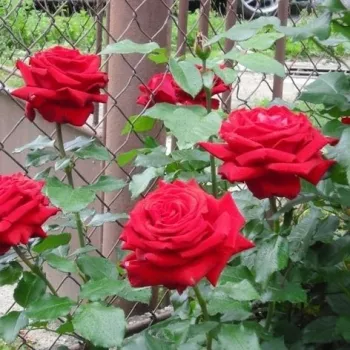
Upright, bushy plant reaching around 85–115 cm in height and 60–80 cm spread; dense, glossy dark green foliage and notably thorny shoots create a full, traditional hybrid tea bush outline. |
| Flower morphology |
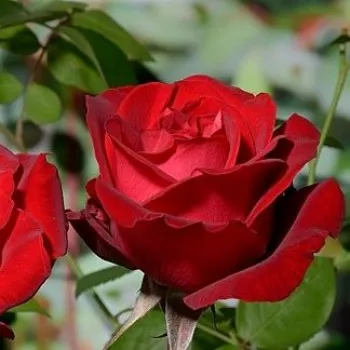
Large, double blooms with around 26–39 petals, typically produced singly on stems; cup-shaped with a slight, medium‑high centre, remontant with a particularly abundant second flush in season. |
| Colour data and phenology |
Velvety, saturated deep red matching RHS 53A–53B; colour holds well without obvious fading, with flowers opening deep red and maturing towards dark burgundy tones while retaining a matt, velvety surface. |
| Fragrance and aroma |
Fragrance strength is mild, offering a discreet, classic rose scent rather than a heavy perfume; designed mainly for visual effect, yet with enough aroma at close range to add refinement to cut stems indoors. |
| Hip characteristics |
Rosehip formation is generally low because of the strongly double flowers; where pollination succeeds, occasional ovoid red hips of roughly 15–21 mm diameter may appear late in the season. |
| Resistance and winter hardiness |
Rated to approximately –21 to –18 °C (RHS H7, USDA 6b, Swedish Zone 3); disease susceptibility moderate to high, especially to rust, so regular preventive plant protection and good garden hygiene are advisable. |
| Horticultural recommendations |
Suited to borders, specimens, containers and cutting; plant at 40–80 cm depending on use, in well‑drained soil with regular watering and feeding, plus scheduled fungicide sprays where disease pressure is significant. |
RED NOSTALGIE offers velvety red blooms, strong cutting quality and a compact, long-lived own-root bush that fits neatly into family gardens; consider it if you want dependable, classic roses with thoughtful, regular care.