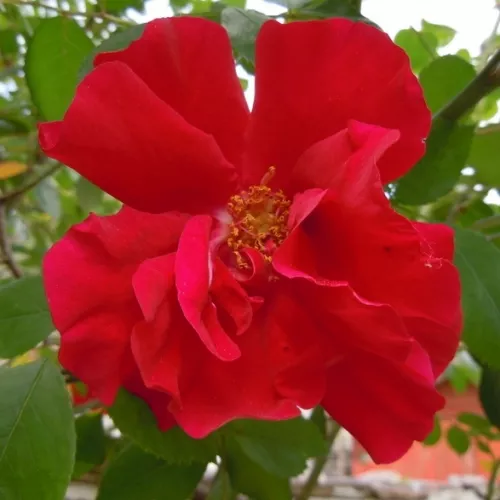
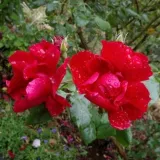
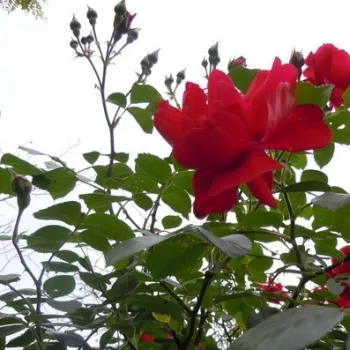
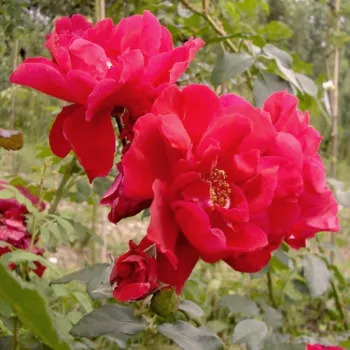
RAYMOND CHENAULT – red climber rose – Kordes
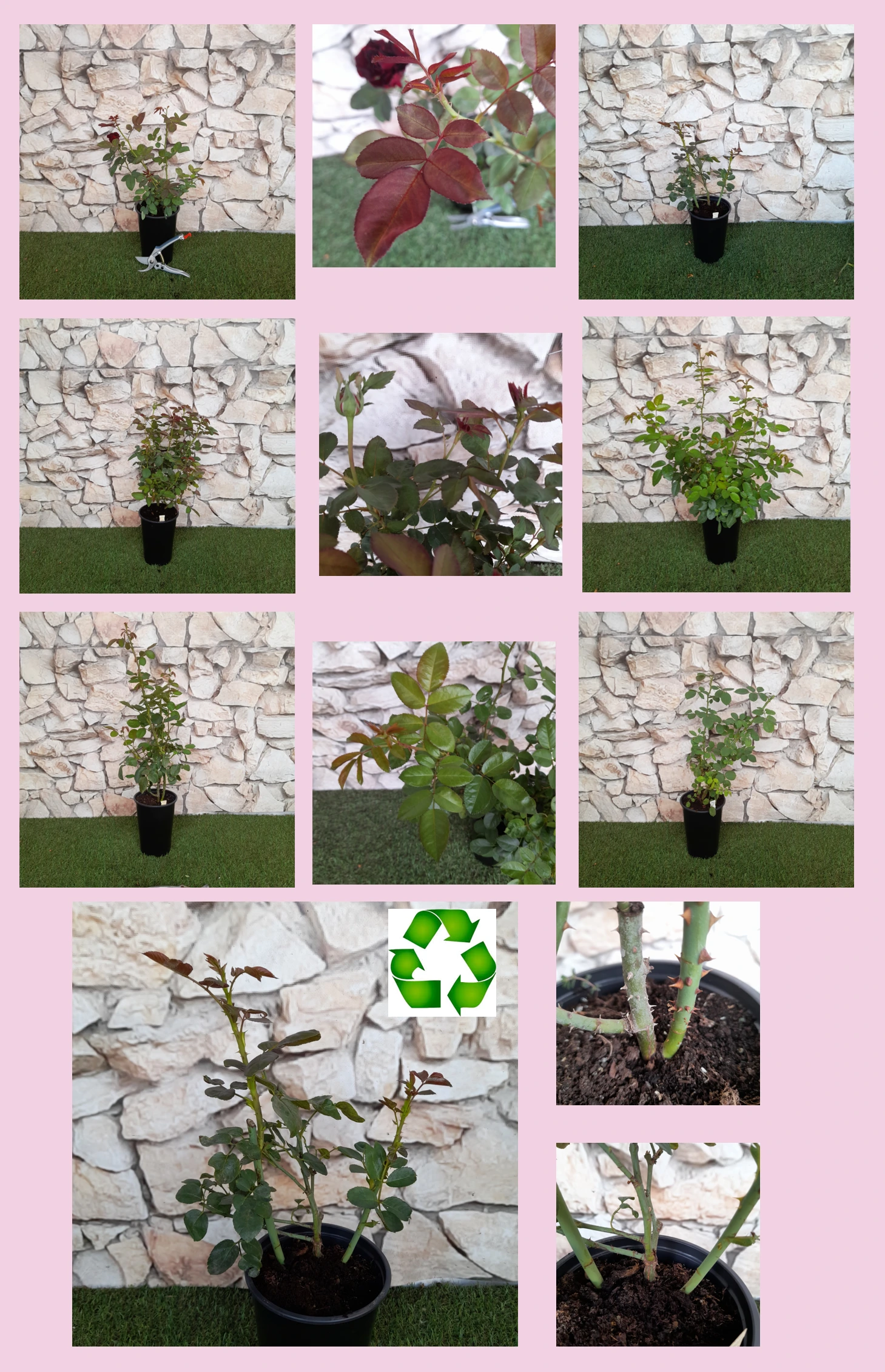
Classic cottage-style entrances, front fences and house walls gain instant character with ‘Raymond Chenault’, a vigorous climber that clothes supports in glossy dark foliage and rich, enduring red blooms. Its semi-double clusters flower reliably in flushes, offering a spicy, berry-like fragrance that suits everyday family gardens as well as more formal spaces. Bred by Kordes for hardiness, it copes well with typical British winters and coastal breezes, especially where soil is improved for better drainage on heavier ground. The own-root, 2‑litre plant settles in steadily – roots in the first year, stronger shoots in the second, and full ornamental impact by around the third. With moderate maintenance needs, it offers a practical balance of ease and presence, making a long-lived investment for pergolas, screens and walls where you want dependable, unfussy colour.
Usage options
| Target area | Reasoning |
|---|
| Front-garden arch or pergola by the entrance |
Strong, climbing growth and dark, glossy foliage quickly cover an arch or compact pergola, creating a welcoming, traditional approach to the front door with vivid red flowers in clusters through the season, ideal for appearance-focused beginners. |
| House wall or sunny garage side |
The tall, flexible canes can be trained along wires or trellis on a warm wall, using the generous spread to soften brick or render while the colour holds well in full sun for a stable, long-term display, suiting busy urban homeowners. |
| Fence line between neighbouring gardens |
Its creeping, wide-reaching habit makes it excellent for greening a fence, forming a leafy, flowering vertical band that helps with privacy without needing intricate pruning, reassuring time-pressed garden owners. |
| Feature pillar or obelisk in a small border |
Clustered large flowers and semi-double form give striking colour on a small footprint when tied to a pillar, adding height and classic rose character to compact beds where space is limited, perfect for cottage-style enthusiasts. |
| Raised bed or improved heavy-clay border |
The own-root plant establishes steadily in improved soil, forming a durable framework that responds well to shaping and renewal pruning, giving confidence where clay and winter wet previously made roses difficult for cautious garden starters. |
| Partially shaded side path or north-east aspect |
Suitable for partial shade, it continues to bloom acceptably where front gardens lose sun for part of the day, bringing reliable red colour and fragrance to side paths or corners often overlooked by other roses, helping practical garden planners. |
| Large container on terrace or patio (40–50 litres+) |
In a sufficiently large, well-drained container with a sturdy support, its controlled yet vigorous framework can be trained to frame seating areas, giving repeat colour close to the house with manageable feeding and watering for balcony and patio users. |
| Informal mixed border with perennials |
Medium maintenance and remontant flowering suit relaxed borders where it weaves among perennials; its rich red works particularly well with silver foliage and white or cream flowers, easing design choices for style-conscious cottage-garden fans. |
Styling ideas
- Village-arch – Train along a metal or wooden arch and underplant with lavender and lamb’s ear for a soft, silver and red cottage look – ideal for lovers of traditional front-garden charm.
- Courtyard-wall – Fan the canes over warm brick with white clematis threads for contrast, keeping pruning simple to maintain a glowing red tapestry – suited to busy town gardeners wanting impact.
- Pergola-retreat – Let the long shoots clothe a seating pergola, pairing with shade-tolerant ferns and hostas beneath for a green, cool refuge – attractive for homeowners creating a calm family corner.
- Mixed-border – Combine with coneflowers, spiked blazing star and ornamental grasses so its red clusters rise through looser planting – perfect for those seeking a naturalistic but ordered cottage style.
- Driveway-screen – Plant at intervals along a fence by the drive, interspersed with evergreen shrubs, to soften boundaries and add colour without complex clipping – useful for practical, low-maintenance planners.
Technical cultivar profile
| Characteristic | Data |
|---|
| Name and registration |
Raymond Chenault is a climbing Hybrid Kordesii rose in the climbing rose collection, sold as a climber for garden use; an exhibition climbing rose type, without a separate registered cultivar name. |
| Origin and breeding |
Bred by Reimer Kordes (W. Kordes’ Söhne, Germany) from Rosa kordesii × ‘Montezuma’; breeding completed in 1958, introduced in 1960 as a robust landscape and garden climbing rose cultivar. |
| Awards and recognition |
Recognised with the Royal National Rose Society Trial Ground Certificate (United Kingdom, 1961) and “Bonnes Roses de Jardins et des Parcs” certificate at The Hague trials in 1965 for garden performance. |
| Growth and structural characteristics |
Vigorous, creeping climbing habit reaching about 260–440 cm high with a spread of 180–320 cm, moderately thorny shoots and dense, dark green glossy foliage that clothes supports effectively when trained. |
| Flower morphology |
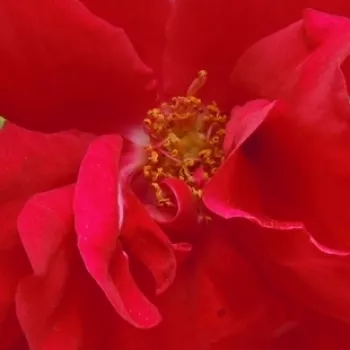
Semi-double, flat blooms with approximately 13–25 petals, large-flowered clusters on long stems; flower size typically in the large class, around 7–10 cm across, with remontant flowering and a generous second flush. |
| Colour data and phenology |
Deep, rich clear red, ARS code MR, RHS 53A outer and 53B inner petals; colour holds well in sun without turning bluish, darkening slightly with age while remaining vivid from bud through full bloom. |
| Fragrance and aroma |
Moderate, noticeable perfume with a spicy, berry-like character that is evident at close range around seating or paths; semi-double clustered flowers have limited appeal to pollinators due to reduced stamen access. |
| Hip characteristics |
Hip set tends to be sparse because of the semi-double clustered flowers; when present, hips are ellipsoidal, shiny red, approximately 12–18 mm in diameter, lending modest seasonal interest in late season. |
| Resistance and winter hardiness |
Hardy to about −21 to −18 °C (RHS H7, USDA 6b, Swedish zone 3); disease resistance moderate overall, usually good against black spot, with some susceptibility to powdery mildew and rust in conducive seasons. |
| Horticultural recommendations |
Best on pergolas, fences and walls at 180–320 cm spacing; tolerates partial shade, needs occasional disease checks and pruning; own-root plants respond well to renewal, suiting long-term garden structures. |
RAYMOND CHENAULT offers vigorous climbing growth, vivid long-lasting red flowers and dependable winter hardiness on an own-root framework that matures steadily over the years, making it a thoughtful choice for lasting garden structures.