RANDILLA ROSE – pink dwarf mini rose - Interplant
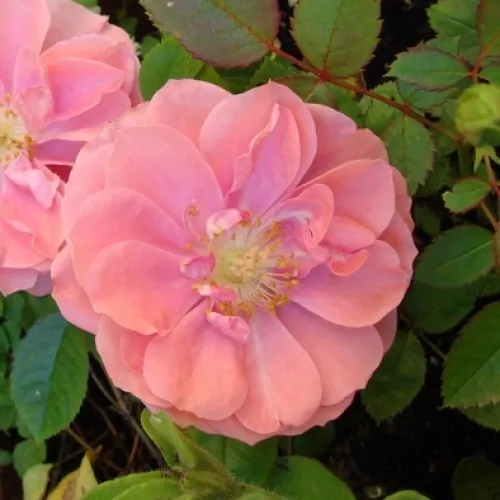
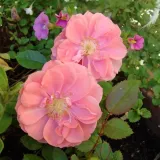
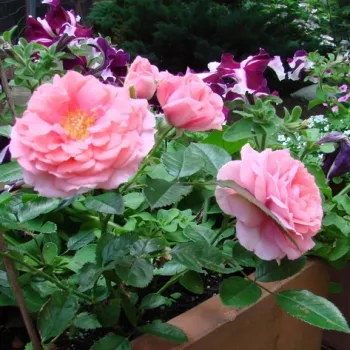
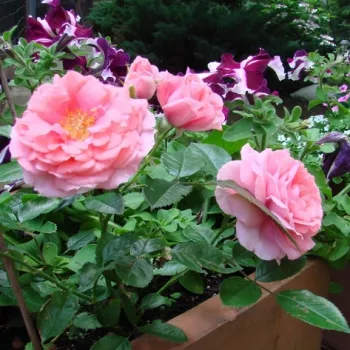
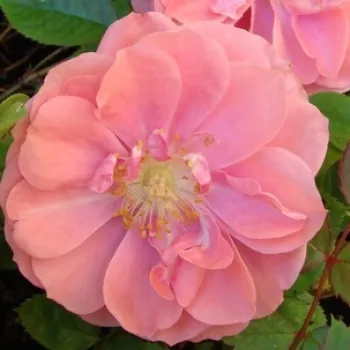
Designed for compact borders and pots, Randilla Rose (INTropi) is a truly reliable miniature shrub that fits effortlessly into family gardens and small front plots. Its softly pink, double, cupped blooms appear in generous clusters, giving a refined cottage look without demanding expert care. The compact, naturally tidy bush (around 25–35 cm high and 30–40 cm wide) makes maintenance straightforward, with only occasional deadheading and light trimming. As an own‑root plant, it builds a durable framework and recovers well over time, supporting longevity in typical British conditions, even where you need to improve heavy clay with better drainage or raised beds. Colour is impressively stable, with very good resistance to fading: buds open pastel pink and mature to pearly pale pink, keeping a fresh look between maintenance rounds. Mild, pleasantly sweet fragrance close to the plant rewards everyday use near doors, paths and seating, while year‑on‑year repeat flowering creates a settled, low‑effort presence in the garden.
Usage options
| Target area | Reasoning |
|---|
| Front‑of‑border edging in small family gardens |
The miniature, compact habit forms a neat, low line along paths or lawn edges without overwhelming nearby plants, so you gain structure and colour in a very limited footprint, ideal for time‑pressed beginners. |
| Containers and large patio planters |
Its shallow spread and modest height make it easy to manage in pots of 40–50 litres or more, where the soft pink, cupped flowers can be enjoyed up close on terraces and balconies by style‑conscious homeowners. |
| Small group plantings in front gardens |
Planted in groups of three to five, the repeated clusters of pastel pink blooms knit together into a balanced, cottage‑style picture that delivers reliable colour with minimal shaping, reassuring cautious gardeners. |
| Low groundcover in mixed beds |
The dwarf, spreading habit gradually fills gaps at the front of mixed borders, covering bare soil and softening hard edges, reducing weeding pressure for those seeking manageable plantings. |
| Colour accents near doors, paths and seating |
Mildly sweet scent and cluster‑flowered heads are best appreciated close at hand, so placing Randilla Rose beside steps, benches or front doors adds a gentle sensory highlight that suits detail‑oriented owners. |
| Urban and courtyard gardens |
The small size and moderate maintenance needs suit confined plots where every plant must earn its space, giving dependable flowering without complex care routines for busy city‑based residents. |
| Raised beds on heavier soils |
In areas with heavier clay, planting Randilla Rose into raised beds or improved soil helps ensure its roots establish securely and cope better over time, reassuring those dealing with local conditions. |
| Low, informal pink hedging |
At 30–40 cm spacing, plants form a soft, low ribbon of pale pink that outlines paths or divides garden areas, giving an informal, classic look that appeals to lovers of traditional cottage‑style borders. |
Styling ideas
- Cottage‑front drift – Plant a loose line of Randilla Rose along a front path, interspersed with catmint and soft grasses, for a low, pastel border – ideal for cottage‑style enthusiasts.
- Pastel patio pot – Use one shrub in a 50‑litre terracotta container with trailing thyme and violas to frame a sunny doorstep – suited to small‑space balcony or patio gardeners.
- Rock‑garden blush – Tuck individual plants among rocks with low alpines, letting the compact pink mounds soften stone edges – perfect for rock‑garden hobbyists.
- Soft pink ribbon – Create a short, low hedge of Randilla Rose edging a lawn, backed by taller perennials in blue and white – attractive for families wanting an easy‑kept front lawn frame.
- Urban calm mix – Combine with ornamental alliums and Verbena bonariensis in a small raised bed, letting airy purple flowerheads rise above the pink clusters – appealing to design‑minded urban gardeners.
Technical cultivar profile
| Property | Data |
|---|
| Name and registration |
Miniature dwarf shrub rose; registered as INTropi, marketed as Randilla Rose / Randilla Rouge in the Mini – dwarf rose collection for garden and container use. |
| Origin and breeding |
Bred by Interplant Roses B.V., introduced via Spring Hill Nurseries in 2006; parentage is not recorded, developed for compact habit and ornamental garden performance. |
| Growth and structural characteristics |
Compact, moderately dense shrub reaching about 25–35 cm high and 30–40 cm wide, with medium thorniness and stable, small‑scale structure suited to edging, pots and low groundcover. |
| Flower morphology |
Medium‑sized, double, cupped flowers with 26–39 petals, produced in clusters; repeat‑flowering throughout the season with an especially abundant second flush under average garden care. |
| Colour data and phenology |
Pale pink blooms, RHS 65C outer and 62A inner; soft pastel buds open to pearly pink, edges whitening slightly at full bloom while centres retain gentle colour with very good fade resistance. |
| Fragrance and aroma |
Mild, pleasantly sweet rose scent noticeable at close range, adding a gentle sensory layer without overpowering nearby seating or doorways; primarily grown for visual effect rather than perfume. |
| Hip characteristics |
Limited hip formation expected due to double flowers; where present, small spherical red hips around 5–7 mm provide discreet late‑season interest without significant ornamental impact. |
| Resistance and winter hardiness |
Medium disease resistance to black spot, powdery mildew and rust; hardy to approximately −21 to −18 °C (H7, USDA 6b), wintering well in most UK gardens with normal care. |
| Horticultural recommendations |
Suited to beds, borders, edging, groundcover, pots and rock gardens; plant about 30–40 cm apart, in sun or light shade, with occasional pest and disease checks and light pruning as required. |
Randilla Rose – INTropi offers compact flowering, soft pink colour and easy placement in borders or containers, with the long‑term steadiness of an own‑root shrub, making it a thoughtful choice for low‑effort garden structure.