RAABS™ – yellow dwarf mini rose - Olesen & Olesen
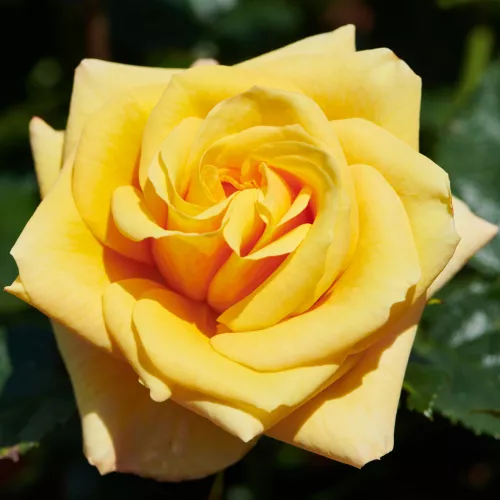
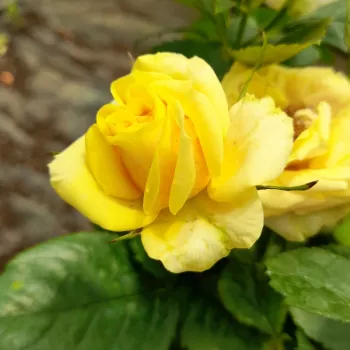
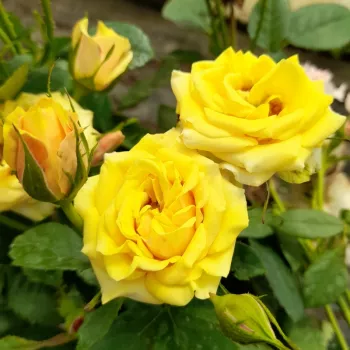
Compact patio charm for small gardens and containers, RAABS™ forms a neat, low bush with glossy dark foliage and abundant, double, golden-yellow blooms. Its tidy, dwarf habit is ideal for front gardens, terraces and balcony pots where space is at a premium, yet you still want a well-shaped, long-lived plant. Clusters of medium-sized flowers appear in generous flushes from early summer, repeating reliably with good self-cleaning so spent petals drop away without constant deadheading. As an own-root rose it establishes steadily for a long lifespan, building a stable, balanced shape that copes well with typical British summers and breezier, coastal spots when drainage is sound. Heat-tolerant and with solid disease resistance, it offers dependable colour with only modest care. Plant once, then watch roots settle in year one, top growth fill out in year two and the plant reach full ornamental impact by year three in an easy-care, family-sized garden setting.
Usage options
| Target area | Reasoning |
|---|
| Front-garden edging |
The naturally low, bushy habit produces a compact line of colour that stays neat without complicated pruning, ideal along paths or drives where you want structure but not height. A steady repeat of golden-yellow blooms keeps the entrance bright for beginners. |
| Small mixed borders |
Its modest spread and dense foliage let it slot easily between perennials and small shrubs, adding consistent mid-season flower clusters without overwhelming nearby plants, creating a tidy, cottage-style mix that suits homeowners. |
| Containers and large pots (40–50 L+) |
The dwarf stature and fibrous root system adapt well to roomy containers, where regular watering and feed are simple tasks and the clean-shedding petals keep terraces presentable, particularly useful for busy urbanites. |
| Patio and balcony displays |
Abundant clusters of medium, double flowers provide close-up interest on patios and balconies, with the golden-yellow tones showing well even in compact spaces; its restrained height keeps railings and views clear for relaxed city-dwellers. |
| Family gardens with low-maintenance planting |
Good baseline disease resistance and heat tolerance mean fewer interventions and less worry during warm spells, while own-root growth gives a dependable framework over the years, offering reliable colour for time-pressed families. |
| Small groups in cottage-style beds |
Planted in groups of three to five, the uniform height and rounded shape create a coherent block of yellow that weaves easily among classics like hardy geraniums and sweet alyssum, appealing to cottage-garden enthusiasts. |
| Formal or low hedging in front of the house |
Regular spacing gives a rhythmic, low ribbon of foliage and bloom that frames paths or lawn edges, and its self-shedding petals help the line remain crisp without constant clipping, suiting appearance-conscious gardeners. |
| Coastal or exposed suburban sites |
The combination of sturdy growth, heat tolerance and sound disease resistance supports reliable flowering even where winds and humidity challenge more tender roses, provided soil drains reasonably in such gardens, reassuring cautious starters. |
Styling ideas
- Sunlit edging – run a low ribbon of RAABS™ along a front path, underplant with white sweet alyssum to soften the line – ideal for homeowners seeking a bright, orderly welcome.
- Cottage trio – plant three RAABS™ in a loose triangle among blue hardy geraniums for a soft, romantic contrast of yellow and blue – perfect for cottage-garden enthusiasts.
- Patio focal pot – use a single plant in a 50 L terracotta pot, ringed with trailing lobularia, for a compact yet generous flower display – suited to balcony and terrace gardeners.
- Low formal strip – space plants evenly to mark the edge of a small lawn or drive, keeping them as a neat miniature hedge with light annual trimming – good for those who like structured, easy-care layouts.
- Urban colour pocket – combine RAABS™ with upright Agastache ‘Blue Fortune’ in a small border near seating to mix golden blooms with vertical blue spires – appealing to busy urbanites wanting impact from limited space.
Technical cultivar profile
| Parameter | Data |
|---|
| Name and registration |
Patio mini-dwarf rose from the Palace® collection; registered as POUlpal102, marketed as Raabs™ Palace®; ARS exhibition name Raabs, verified premium-quality identity. |
| Origin and breeding |
Bred in Denmark in 2021 by L. Pernille and Mogens N. Olesen from unnamed parents; introduced after 2022 by Poulsen Roser A/S with EU and US protection. |
| Growth and structural characteristics |
Very compact, bushy plant 22–38 cm high and 30–50 cm wide, with dense, glossy dark green foliage and moderate prickles, forming a low, rounded cushion suitable for edging. |
| Flower morphology |
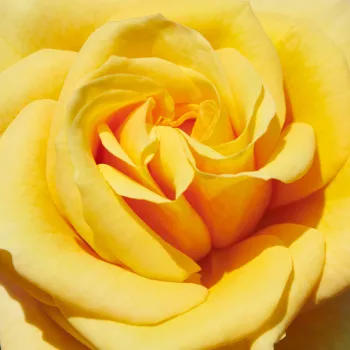
Medium-sized, double, cup-shaped blooms with roughly 26–39 petals, produced in clusters; remontant with a notably abundant second flush, giving extended seasonal display. |
| Colour data and phenology |
Rich golden-yellow buds opening to vivid yellow flowers (RHS 12A outer, 14B inner), gradually lightening to pastel yellow with creamy edges, maintaining an attractive, harmonious fade. |
| Fragrance and aroma |
Very light, barely noticeable fragrance with an airy character; grown primarily for its visual effect rather than scent, yet unobtrusive near seating or doors. |
| Hip characteristics |
Occasional, very small hips of around 0–4 mm in diameter; ornamental value is limited, and hip production does not usually dominate the plant’s appearance. |
| Resistance and winter hardiness |
Rated H7, hardy approximately to –21 °C (USDA 6b), with good heat tolerance, high resistance to black spot, good rust resistance and moderate resistance to powdery mildew. |
| Horticultural recommendations |
Best in full sun in beds, borders, containers or urban plantings, at 25–45 cm spacing; medium maintenance, occasional plant protection and regular watering in dry periods recommended. |
RAABS™ combines compact habit, repeat golden-yellow flowering and sound disease resistance in an own-root form that matures into a long-lived, steady feature; a thoughtful choice if you want dependable colour with modest effort.