| House wall or garage wall |
The climbing habit and 3–5 m height make Sourire d’Orchidée ideal for training flat against masonry, softening brickwork with light, airy growth. Repeating shell‑pink clusters create a graceful façade without overwhelming smaller houses, and dense mid‑green foliage gives a leafy backdrop for most of the season. Its own‑root vigour builds gradually, so the framework thickens year by year into a durable, easy‑to‑shape wall rose suited to understated, neat homes for the busy homeowner. |
| Archway or pergola in a family garden |
Long, flexible canes lend themselves to being tied over arches and lightweight pergolas, producing curtains of pale blooms that repeat flower through summer. Semi‑double, medium‑sized flowers avoid looking heavy overhead and let light filter through, so the structure still feels open and welcoming. With moderate maintenance and own‑root resilience, it can be pruned lightly for shape rather than to strict rules, working well where you want impact but limited gardening time for the beginner gardener. |
| Romantic front-garden feature |
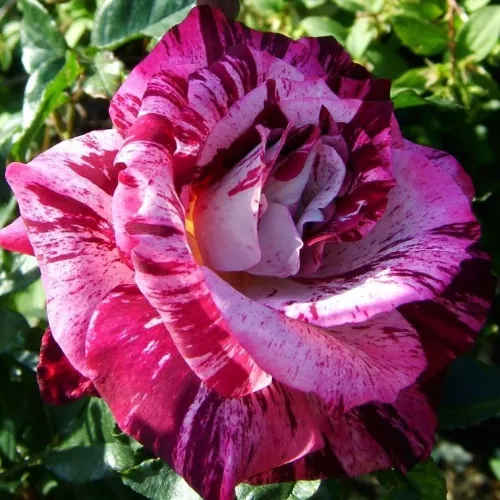
The soft light‑pink colouring, fading to off‑white, suits cottage‑style front gardens, pairing beautifully with lavender, thyme and traditional perennials. Its medium height as a climber allows training around a doorway, window or small porch without becoming over‑dominant, while the mild, fresh fragrance adds a discreet welcome. Award‑winning flower form and colour give reliable elegance with relatively simple care for the cottage‑garden enthusiast. |
| Informal boundary screen or light hedge |
When planted at 1.4–1.5 m intervals, the dense mid‑green foliage and moderate prickliness create a soft visual screen that marks boundaries without a harsh, formal hedge line. Repeating flushes of flowers lighten the barrier and support a more naturalistic border style, especially when underplanted with low groundcovers. Own‑root growth ensures the framework thickens over the years, maintaining structure even after harder rejuvenation pruning for the long‑term planner. |
| Mixed shrub and perennial border |
Sourire d’Orchidée can be trained as a tall shrub‑like presence at the back of a border, its airy habit weaving between other plants. Semi‑double flowers with accessible stamens offer useful pollen in a decorative form, encouraging bees among companion perennials. The restrained scent and pale colour make it easy to blend into existing schemes without clashing, rewarding modest upkeep with dependable display even where careful design matters for the design‑conscious gardener. |
| Partially shaded side passage or aspect |
Its suitability for partial shade allows planting where many roses struggle, such as east‑ or north‑east‑facing walls and narrow side paths. While flowering is best with some sun, it will still produce attractive foliage and regular clusters where conditions are cooler and light is dappled. This extends rose planting into awkward corners of the plot, bringing cohesion between front and back garden spaces for the space‑optimising owner. |
| Small courtyard or urban garden, large container |
In restricted ground, Sourire d’Orchidée can be grown in a large 40–50 litre container with a trellis or obelisk, giving vertical interest without needing a deep bed. Its moderate water needs and remontant flowering are manageable on patios and terraces, provided regular watering and feeding are given. As an own‑root plant it adapts well to the pot environment, offering long service life if repotted or refreshed periodically for the urban balcony‑patio gardener. |
| Weather-exposed sites with simple support |
Medium disease resistance and H7 hardiness mean this variety copes reliably with typical British winters and breezier, more exposed positions when given sturdy supports. It flowers on strong, flexible canes that can be tied in to prevent wind damage, and, with sensible planting in well‑drained soil, it can manage wetter, heavier ground often improved by simple raised‑bed style drainage measures. This makes it a sound option where conditions are less than perfect for the practical garden owner. |