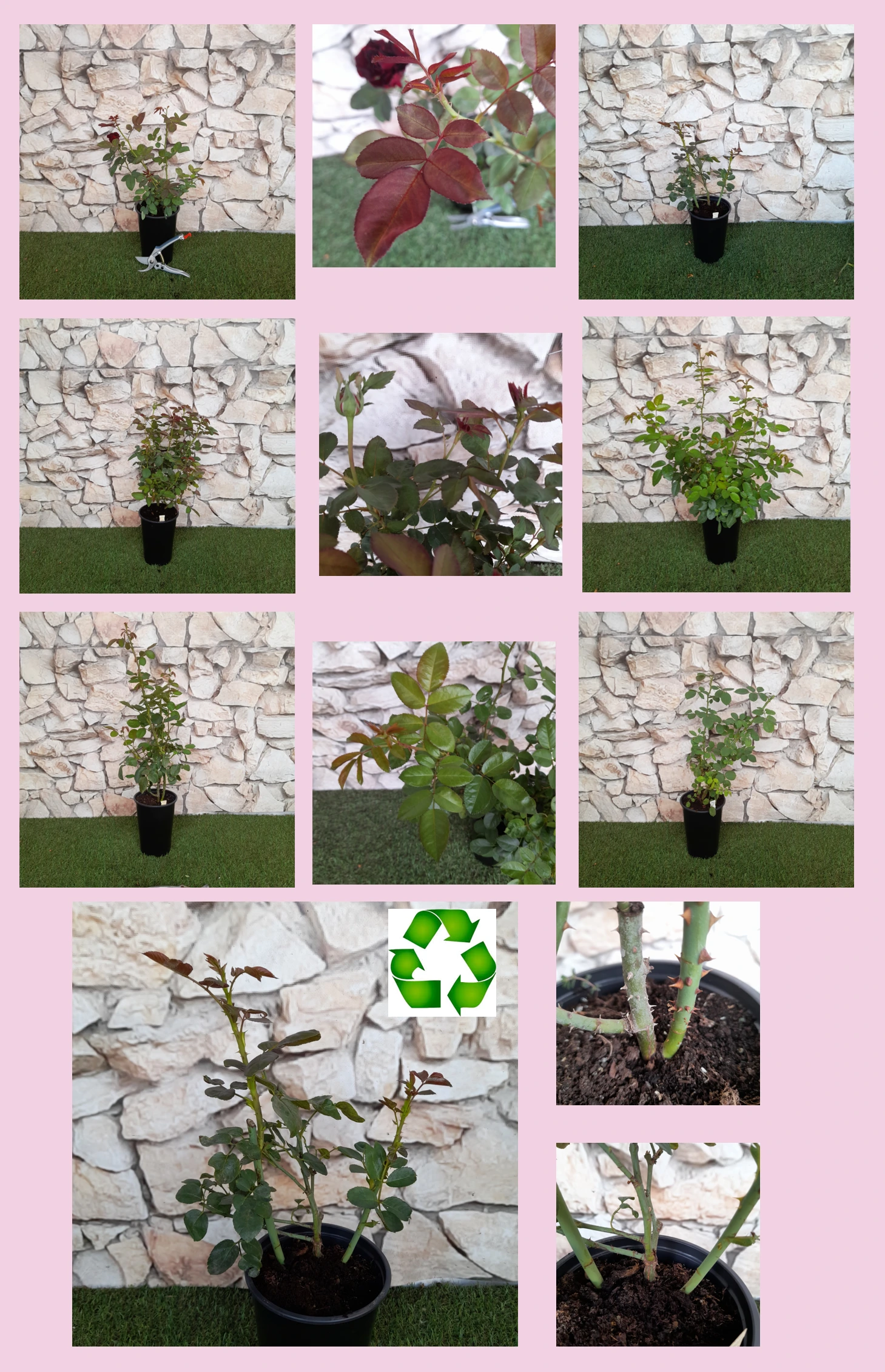
PRINCESSE DE MONACO ® – white-pink hybrid tea rose – Meilland
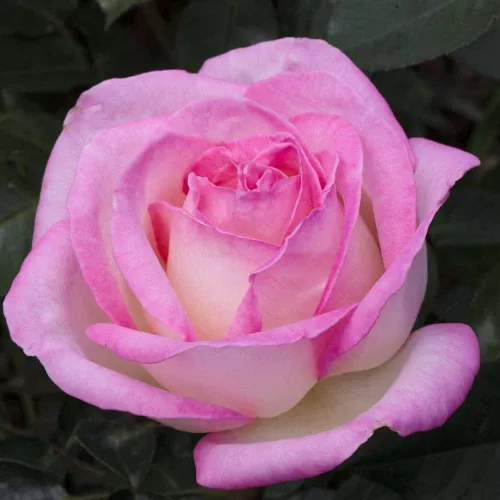
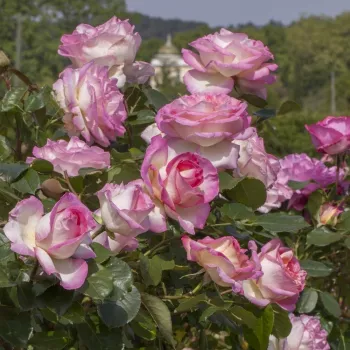
With its classically high-centred blooms and gently shaded white‑pink petals, PRINCESSE DE MONACO ® offers an effortlessly elegant display in the average family garden. This hybrid tea forms an upright, compact bush that fits neatly into smaller beds and front gardens while still producing XL exhibition-style flowers ideal for cutting. As an own-root plant it settles steadily, building long-term structure and recovering well after winter or pruning, so you can enjoy a reliable, tidy border without complex care. In a well-drained spot it copes reassuringly with typical British summer showers and breezier coastal conditions, provided soil drainage is managed sensibly. Strongly remontant flowering gives repeated flushes from early summer onwards, and over time the plant follows a natural rhythm of first rooting deeply, then extending its shoots, before reaching full ornamental impact by its third season, rewarding patient gardeners seeking classic rose beauty.
Usage options
| Target area | Reasoning |
|---|
| Front garden focal rose |
The upright, compact habit and XL, exhibition-style blooms make this variety an ideal single statement near a doorway or path, giving a classic look with modest space needs and moderate care, well suited to the busy yet style-conscious homeowner. |
| Small formal flower bed |
Planted in small groups at the recommended spacing, the even height, dense foliage and repeating white-pink flowers create a neat, structured bed that feels ordered rather than sprawling, attractive for those who value a well-kept garden with limited time. |
| Cutting and vase use |
The high-centred, pointed buds and very large, double flowers are classic hybrid tea cut blooms, with good stem length and colour retention, providing reliable indoor arrangements for gardeners who enjoy bringing their own roses into the home. |
| Specimen rose in a mixed border |
Used as a single specimen, its dark glossy foliage and pastel blooms contrast well with perennials and shrubs, and the own-root form develops a stable framework over years, suiting gardeners planning long-lived mixed borders with lasting structure. |
| Cottage-style planting with perennials |
Its romantic white-pink colouring blends beautifully with cottage-garden favourites such as garden pinks and summer spires, while repeat flowering keeps the display going through the season, appealing to lovers of traditional, softly coloured beds. |
| Sunny around-the-house border |
This rose thrives in a sunny position beside paths, drives or patios, and its moderate disease resistance is easier to support where air movement is good, convenient for householders wanting pleasing views from windows with straightforward routine care. |
| Raised bed over heavier soils |
On heavier clays a raised bed or improved drainage helps the root system establish securely, allowing the plant to cope better with British rain and breeze while maintaining flower quality, reassuring for gardeners managing challenging soil conditions. |
| Large patio container (40–50 litres+) |
In a sufficiently large container this upright hybrid tea forms a tidy potted shrub with generous blooms, and the own-root nature supports long-term regeneration if pruned back, making it attractive to balcony and patio gardeners. |
Styling ideas
- Doorway Elegance – Position a single plant by the front step with low evergreen edging to frame its pastel blooms – ideal for homeowners wanting a refined welcome without complex planting schemes.
- Cottage Pastels – Combine in a small bed with garden pinks and soft blue perennials to create a relaxed, romantic cottage feel – well suited to beginners seeking a traditional look from easy, familiar plants.
- Formal Trio – Plant three roses in a triangle within a neat lawn aperture to form a disciplined, repeating display – perfect for those who favour structured, symmetrical gardens around modern family homes.
- Patio Feature – Grow one plant in a 40–50 litre container with neutral-toned pots and gravel for a clean, contemporary terrace accent – attractive for urban gardeners working with limited ground space.
- Mixed-Border Highlight – Place this rose amid dark-leaved shrubs and airy grasses so its white-pink flowers pop as an eye-catching centrepiece – appealing to design-conscious gardeners building layered, long-term borders.
Technical cultivar profile
| Parameter | Data |
|---|
| Name and registration |
Hybrid tea rose; registered as MEImagarmic, marketed as PRINCESSE DE MONACO ® hybrid tea rose, ARS exhibition name Princesse de Monaco, collection and commercial group hybrid tea. |
| Origin and breeding |
Bred by Marie-Louise Meilland in France from ‘Ambassador’ × ‘Mme Antoine Meilland’; bred 1981, registered 1981, introduced 1982 by Meilland Richardier and Meilland International. |
| Awards and recognition |
Recognised for ornamental and garden value with gold medals at Monza in 1983 and Geneva in 1984, reflecting high judging scores for flower quality and overall performance. |
| Growth and structural characteristics |
Upright hybrid tea shrub reaching about 70–90 cm high and 50–70 cm wide, with dense, dark green glossy foliage and moderate thorns; tends to hold spent blooms and benefits from deadheading. |
| Flower morphology |
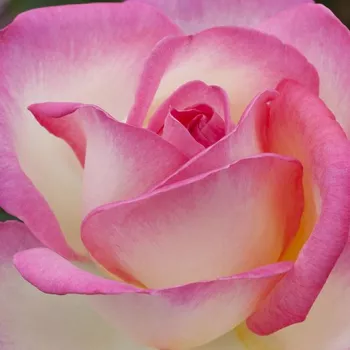
Very large, double, high-centred flowers borne mainly singly on stems, with 26–39 petals and a classic pointed-bud exhibition form; strongly remontant with particularly abundant second flush flowering. |
| Colour data and phenology |
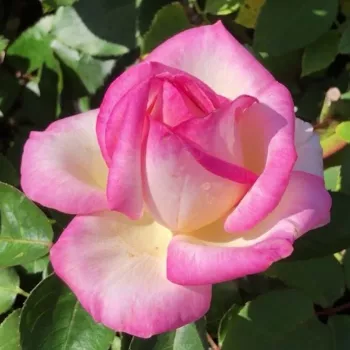
Creamy white base with pink-edged petals; opens cream with carmine-pink flush, then softens to pastel white-pink as edges fade faster in strong sun; colour remains clearer and more vivid in cooler conditions. |
| Fragrance and aroma |
Mild, restrained scent of hybrid tea character; fragrance is present but not dominant, making it suitable near seating or paths where a subtle perfume is preferred over very strong aromatic varieties. |
| Hip characteristics |
Produces small quantities of ellipsoidal hips, around 15–21 mm across, developing an orange-red colour; ornamental effect is modest and hips are usually secondary to the plant’s flowering display. |
| Resistance and winter hardiness |
Hardy to about −21 to −18 °C (RHS H7, USDA 6b, Swedish zone 3); good heat tolerance with watering in prolonged drought; resistant to powdery mildew and rust, with moderate black spot susceptibility. |
| Horticultural recommendations |
Best in sunny beds or specimen plantings at 45–90 cm spacing; moderate maintenance with some plant protection; ideal for cut flowers, formal beds and feature planting, preferring well-drained soil conditions. |
PRINCESSE DE MONACO ® offers large classic blooms, repeat flowering and compact, long-lived own-root growth, making it a dependable choice for gardeners seeking lasting elegance with manageable care.