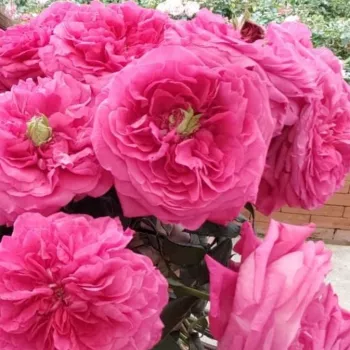
Deep, rich raspberry-red base colour with a subtle violet undertone. - nostalgia rose - scentless rose - no noticeable fragrance
– XL, very double rosette blooms
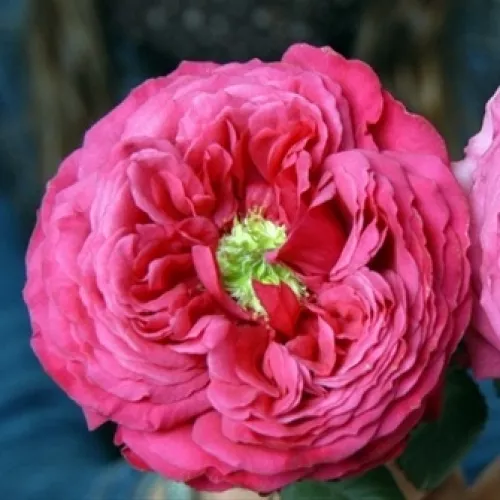
– Rich raspberry-red colour with violet tones
– Remontant with abundant second flush
– Bushy shrub, ideal for romantic borders
– Good winter hardiness to USDA 5b
– Special feature: Occasional decorative orange-red hips add autumn interest.
Continuous garden growth – Careful packaging
pharmaROSA® ORIGINAL 2-litre own-root potted rose
21,20 £
Unfortunately, we are currently unable to ship to the United Kingdom; we only deliver to countries within the European Union. For more information, please contact us!
4(5988)
PRINCESS KISHI – raspberry-red nostalgic rose - Kunieda
With its deeply nostalgic rosette blooms and rich raspberry-red colour, PRINCESS KISHI brings a refined Romantic rose look to compact British gardens while remaining pleasantly straightforward to manage. This bushy shrub settles reliably into average garden soil, coping well where beds are open to rain and wind, provided you give it reasonable drainage and regular moisture. As an own-root plant it builds strength steadily, rewarding patient gardeners as roots establish, shoots develop, and full ornamental value unfolds over the first three years. Its medium maintenance needs suit everyday family routines: an annual prune, a simple feeding plan and occasional plant protection are usually sufficient. The generous XL rosette blooms are perfect for cutting, bringing florist-style beauty indoors from a modest-sized border. Bushy yet orderly growth makes it easy to place near paths, windows or seating, where the rich petals and subtle violet tones can be enjoyed up close. In a cottage-style mix or a tidy front garden, PRINCESS KISHI offers dependable, season-long impact without demanding complex horticultural expertise.
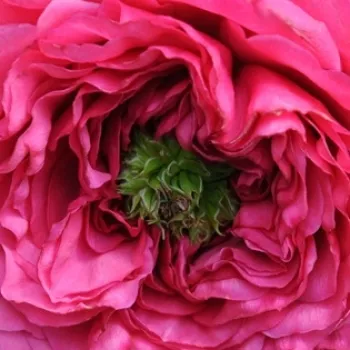
Princess Kishi shows a very double, rosette-shaped bloom.
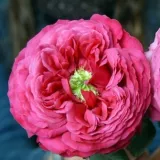
Princess Kishi in different opening stages, showing its raspberry-red colour transitions side by side.
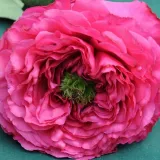
Princess Kishi showing side-by-side colour states as the bloom opens.
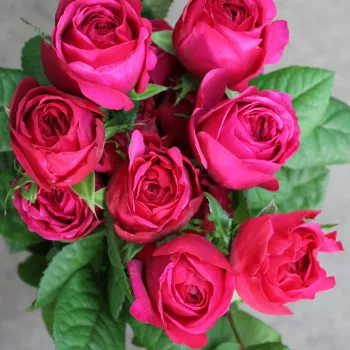
Princess Kishi in different opening phases, from deep cherry-red bud to raspberry-red bloom.
Usage options
Target area
Reasoning
Front garden focal shrub
The bushy, medium-height habit forms a neat, eye-catching shrub that sits comfortably beneath windows and beside paths. Large, very double rosette blooms in rich raspberry-red provide a classic welcome in small front gardens, even where space is limited – ideal for the design-conscious beginner.
Small mixed cottage border
PRINCESS KISHI’s balanced height and spread integrate easily among perennials and compact shrubs, giving repeat waves of colour without overwhelming nearby plants. Its own-root durability supports long-term cottage-style schemes that evolve gently over time – well suited to relaxed cottage-garden enthusiasts.
Cutting corner for home arrangements
The XL, very double blooms with strong stems echo florist-quality roses, making this variety excellent for cutting from a small home plot. Vibrant raspberry-red petals with subtle violet undertones hold colour well in the vase, adding luxury to everyday rooms – attractive for home-decor focused gardeners.
Feature rose in small group planting
Planting 3–5 shrubs together at the recommended spacing creates a sumptuous raspberry-red drift that reads as one larger shrub. The remontant flowering supplies a generous second flush, keeping the feature effective through summer with modest care – practical for low-fuss border planners.
Romantic near-terrace bed
The mid-green, slightly glossy foliage and rounded structure frame seating areas attractively without becoming leggy. Repeating, nostalgic blooms add a sense of occasion to patios and terraces while remaining an easy-care backdrop to family life – appealing for time-poor outdoor-living families.
Rose and evergreen structure planting
The stable, own-root shrub holds its shape reliably beside evergreen structure plants such as holly or cherry laurel, giving seasonal colour against year-round greenery. This combination offers an ordered, long-lived framework with relatively simple pruning routines – reassuring for long-term garden owners.
Raised bed on heavier soils
Where clay or compacted soils are an issue, PRINCESS KISHI responds well to improved drainage in raised beds, establishing a stable root system that anchors the plant over many seasons, even in wetter, wind-exposed sites typical of some British plots – helpful for challenging-site gardeners.
Large decorative container (40–50 litres)
In a substantial container of at least 40–50 litres with quality compost, this bushy shrub creates a movable splash of raspberry-red for entrances or paved spaces. Own-root resilience supports regeneration after pruning, so the container display remains attractive year after year – ideal for space-limited urbanites.
Styling ideas
Cottage – Combine PRINCESS KISHI with soft pink foxgloves and white campanulas to echo classic cottage borders, creating relaxed romance for homeowners who favour traditional, flower-filled front gardens – especially style-focused beginners.
Monochrome – Pair its raspberry-red blooms with dark burgundy heucheras and deep purple penstemons for a rich tonal scheme that feels contemporary yet nostalgic, ideal for smaller urban gardens seeking drama with manageable maintenance.
Evergreen – Set the rose against clipped Ilex crenata or box alternatives to highlight the rosette flowers on a clean green backdrop, perfect for neat, architectural front gardens where year-round structure and easy routines matter.
Pastel – Soften the intense blooms with airy grasses and pale mauve salvias, creating a gentle colour bridge that flatters the violet undertones, suited to family gardens aiming for calm, understated charm around seating areas.
Entranceway – Flank a doorway with two large containers of PRINCESS KISHI underplanted with white lobelia or ivy, offering a simple yet impressive welcome that requires only basic watering and annual pruning, ideal for busy householders.
Technical cultivar profile
Parameter
Data
Name and registration
Collection Romantic rose; commercial nostalgia shrub rose used also as a florist garden rose. Current trade name PRINCESS KISHI Romantic rose Kunieda; cultivar authenticity for this stock verified on 18 March 2025.
Origin and breeding
Bred in Japan by Kunieda Keiji at Rose Farm Keiji / WABARA (Rose Universe Co Ltd); introduced to the market in 2022 as a modern Romantic-style shrub rose with a focus on nostalgic bloom form.
Growth and structural characteristics
Medium-height, bushy shrub reaching around 85–115 cm in both height and spread, of moderate density with slightly glossy mid-green foliage. Moderately thorny stems; habit suited to small beds, mixed borders and structural group plantings.
Flower morphology
Very double rosette flowers with more than 40 petals per bloom, usually borne singly on stems. Extra-large flower size from approximately 3.5 inches upwards, remontant with a notably abundant second flush in suitable conditions.
Colour data and phenology
Raspberry-red with violet undertones; ARS DP, RHS 60A outer, 60B inner petals. Buds dark cherry-red, opening to intense raspberry-red, then gently fading to raspberry-pink with delicate violet sheens while retaining good overall colour stability.
Fragrance and aroma
This cultivar is classed as scentless, with no noticeable fragrance recorded in garden or cut-flower use. Strongly double blooms restrict access to stamens, so it is not considered a significant resource for pollinating insects.
Hip characteristics
Hip set is generally low because of the very double flower form. Where hips develop, they are typically small spherical orange-red fruits around 8–12 mm in diameter, offering occasional discreet autumn interest without heavy seeding.
Resistance and winter hardiness
Rated hardy to approximately −26 to −23 °C (USDA 5b, RHS H7, Swedish zone 4). Disease resistance is moderate overall, with recorded moderate susceptibility to powdery mildew, black spot and rust under higher disease pressure.
Horticultural recommendations
Maintenance classed as medium; benefits from regular feeding and occasional plant protection. Recommended spacing: around 65 cm for mass plantings, 55 cm for hedging, and about 100 cm when used as a solitary specimen shrub.
PRINCESS KISHI offers nostalgic raspberry-red rosette blooms, compact bushy structure and reliable repeat flowering on a durable own-root shrub, making it a thoughtful long-term choice for a quietly romantic family garden.
Detailed product attributes
Product Identification Data
Product Name:
PRINCESS KISHI – raspberry-red nostalgic rose - Kunieda
Product Type:
pharmaROSA® ORIGINAL - 2-litre own-root potted rose
Hip Comment:
Hip formation is expected to be low due to the double‑flowered blooms; occasionally spherical orange‑red hips 8–12 mm in diameter may appear.
Our product is a rose grown with pharmaROSA®’s unique cultivation technology!
2-litre, own-root, potted rose.
With a shoot system appropriate to the season.
With a root system that thoroughly permeates the growing medium.
Quality compliant with the requirements of the E.N.A. (European Nurserystock Association).
Supplied in unique packaging that prevents damage.
Can be planted during frost-free periods.
True-to-variety rose bush with a unique identifier.
The pharmaROSA® own-root potted rose is a well-rooted plant that supports reliable establishment when planted and cared for properly, so it can be planted whenever the soil is not frozen.
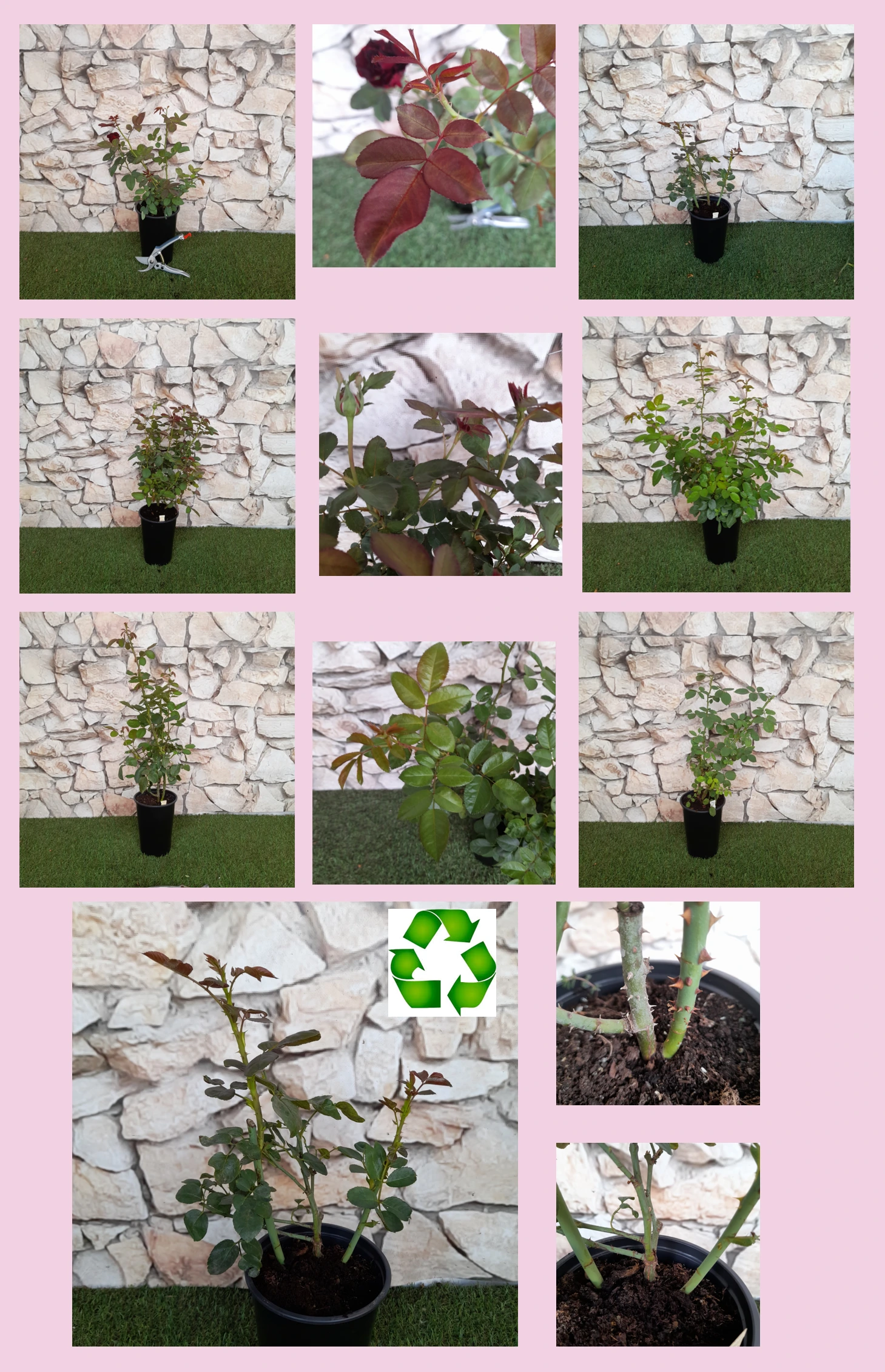
Crop overview: several varieties and growth stages in a short crop section.Shoot system: intensive growth of fresh basal shoots on a young plant.Root system: demonstration of a vigorous root system permeating the growing medium, by removing the pot.Balance: mature plant with root system and shoots in harmony with each other.
Information about the videos
The video series is not a “seasonal showcase”; it illustrates the essence of pharmaROSA® own-root cultivation in a tangible way: how the plant is built up, what the root system is like and how the shoot system regenerates. The recordings were therefore made at different times and with plants at various stages of development, so mixed foliage levels and differing stages of growth may appear in the videos. They are not a ‘sample’ of the batch dispatched, but a visual explanation of how the technology works. The current condition of the rose available to order — typical for the given period and similar to what you can expect to receive in the parcel — is shown in the upper part of the product page.
Pages for private customers Garden roses for the family garden, with minimal care → ORIGINAL® Premium garden roses – instant impact, a truly showpiece garden → EXTRA® Pages for professionals and private customers Roses for public spaces – large areas, sustainable maintenance → NATURAL® Roses for projects – hedge and row planting, fast implementation → RAPID® For professional partners only Production – propagation material for garden roses, wholesale → NEONATAL®
Company details
PharmaRosa Ltd. Company registration number: 01-09-717479 VAT number: 13075314-2-43 Plant health registration no.: HU130721 Bank account (IBAN): HU85117631891388688400000000 BIC (SWIFT): OTPVHUHB Bank name: OTP Bank Nyrt.