PRINCESS CLAIRE OF BELGIUM – pink bedding grandiflora rose
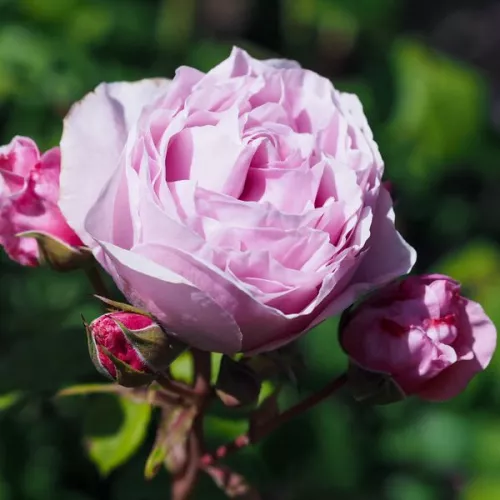
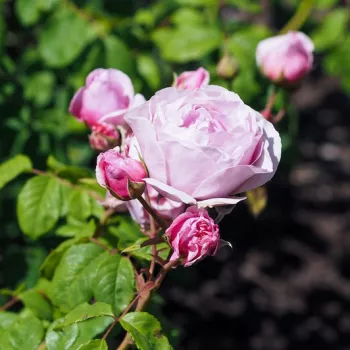
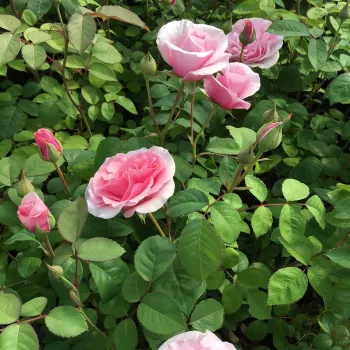
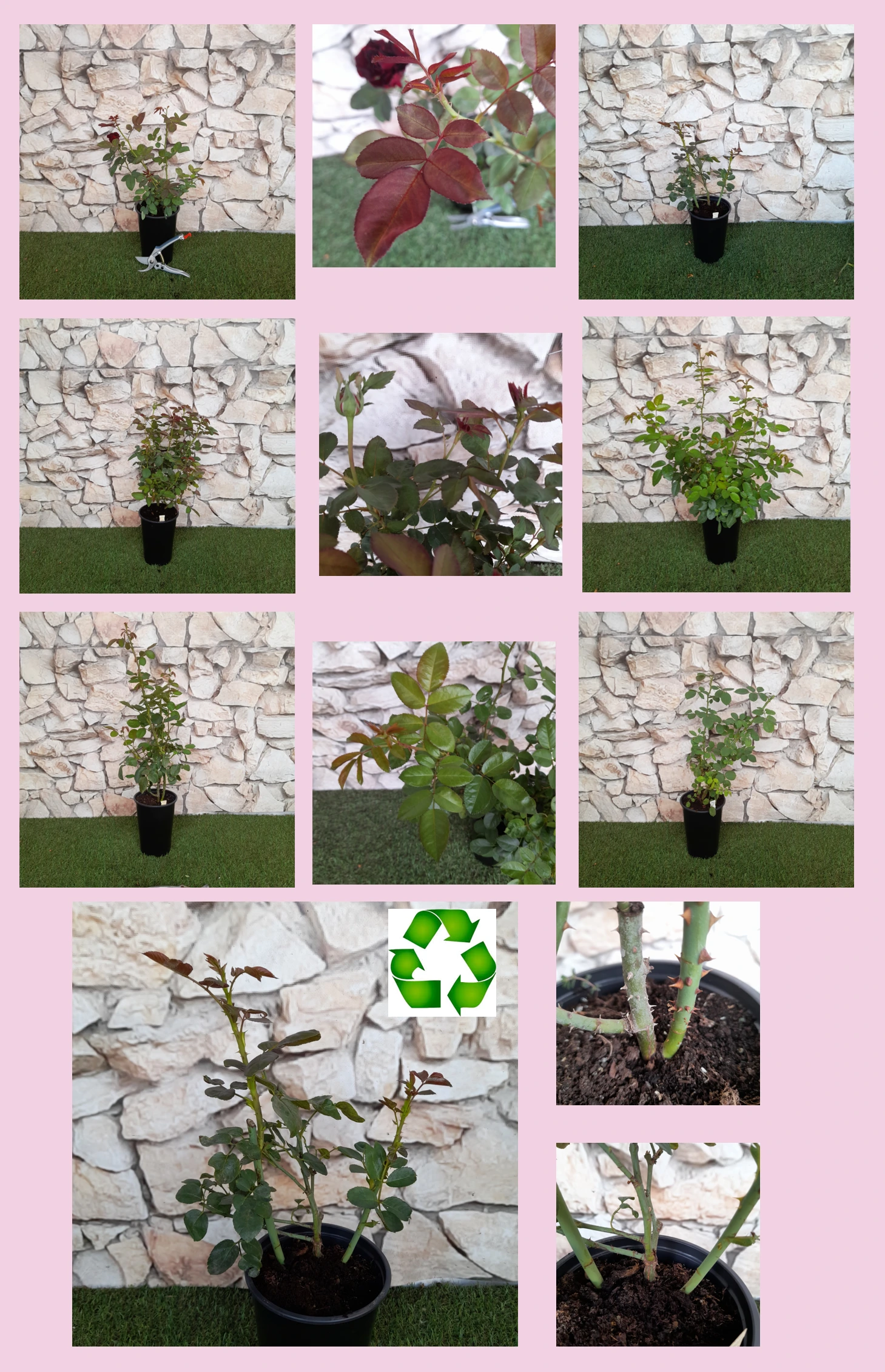
This own-root Princess Claire of Belgium rose offers reliable colour and performance for typical British family gardens, with a naturally upright, bushy habit that forms a neat feature without complex pruning. Its medium-sized, very double blooms appear in generous clusters, providing abundant flower coverage from early summer onwards, with a strong second flush to keep beds and borders lively. The silky petals open in a soft, warm pink that can show a gentle lavender hint, a quietly elegant shade that sits comfortably among cottage-style perennials and traditional front-garden plantings. Tolerating partial shade and coping steadily with coastal breezes and typical UK weather, it suits front and back gardens where conditions are not always perfect. The medium, classic rosy fragrance adds a romantic note near paths, seating areas, and entrances, without overwhelming small spaces. As an own-root shrub, it is naturally long lived and recovers well from any winter or pruning mishaps, giving stable ornamental value over the years with minimal intervention. The plant arrives well rooted in a 2-litre pot, ready to settle in; think in terms of strong roots in year one, fuller shoots in year two, and a rounded, fully developed display by year three. With proper spacing and basic care, this rose becomes a quietly dependable structure plant in beds, borders, and containers, helping you create a tidy, flower-rich garden that looks thoughtfully designed yet remains easy to live with and manageable for busy households.
Usage options
| Target area |
Reasoning |
| Front garden feature shrub |
The upright, bushy habit and 100–140 cm height make this rose ideal as a modest focal point near the front door or along a path, providing structure without overwhelming small spaces. Medium fragrance and repeat flowering keep the entrance welcoming for busy homeowners |
| Low-maintenance bed and border plant |
Clusters of medium-sized, very double blooms give generous flower coverage across the season, while own-root growth ensures long-term reliability with simple annual pruning. Even where you only have time for basic watering and occasional feeding, it maintains good ornamental value for beginner gardeners |
| Cottage-style mixed planting |
The soft warm pink with a lavender hint blends beautifully with classic perennials such as geraniums and campanulas, fitting effortlessly into an informal cottage mix. Dense dark green foliage fills gaps and helps the planting read as a coherent, romantic ensemble for cottage-garden lovers |
| Small group plantings in family gardens |
Planting 3–5 shrubs at the recommended spacing creates a rounded, flowering mass that looks tidy yet natural, ideal for framing a lawn or patio. The own-root character means the group thickens and matures together over time, rewarding patient family gardeners |
| Hedge or edging row |
With 60 cm spacing, the upright habit forms a low, flowering hedge that guides paths or separates garden areas. Repeating the same rose simplifies maintenance and pruning decisions, while the consistent flower colour creates a calm, unified line for design-conscious owners |
| Patio container in large pots |
In a 40–50 litre or larger container, its height and bushiness provide vertical interest without becoming leggy, giving months of colour on terraces and balconies. Own-root growth responds well to periodic renewal pruning, so the container planting remains attractive for urban gardeners |
| Specimen rose in small beds |
Used singly at about 110 cm spacing, this cultivar fills a compact bed with one cohesive, flower-rich shrub, simplifying planting plans where space is limited. Tolerance of partial shade and steady performance in typical UK wind and rain make it a practical choice for time-poor owners |
| Cut flowers for the home |
The very double, cup-shaped blooms on cluster stems lend themselves to short arrangements and casual vases, bringing the classic rosy fragrance indoors. Regular cutting encourages new flowering wood, and any slower self-cleaning becomes less noticeable when stems are often harvested by flower enthusiasts |
Styling ideas
- Cottage Harmony – Combine with Geranium sanguineum and Campanula carpatica for a soft, interwoven cottage look where the rose’s repeat flowering anchors changing perennials – ideal for cottage-garden lovers
- Front-Door Focus – Plant a single shrub near the path with low groundcovers to frame the entrance, letting the warm pink blooms and medium fragrance greet visitors – suited to design-conscious owners
- Structured Drift – Use a group of three roses in a gentle curve along a lawn edge, relying on their upright, bushy habit to create a tidy, low-maintenance flowering line – perfect for busy homeowners
- Patio Centrepiece – Grow in a 50-litre terracotta pot with silver foliage Artemisia at the base, using the height and cluster blooms to give long-season interest on a small terrace – designed for urban gardeners
- Quiet Border – Repeat this rose at intervals through a mixed border to provide consistent colour and form, allowing other shrubs and perennials to weave between while it maintains structure – great for beginner gardeners
Technical cultivar profile
| Property |
Data |
| Name and registration |
Grandiflora bed rose, registered as VISbonpa; marketed as Princess Claire of Belgium and Princess Claire de Belgique, in the bedding rose commercial group. |
| Origin and breeding |
Bred by Martin Vissers in Belgium from Bonica × Abraham Darby, introduced and first distributed in 2013 by Jan Spek Rozen BV in the Netherlands. |
| Growth and structural characteristics |
Upright, bushy shrub reaching 100–140 cm high and 80–120 cm wide, moderately thorny, with dense, slightly glossy dark green foliage giving good coverage in beds and borders. |
| Flower morphology |
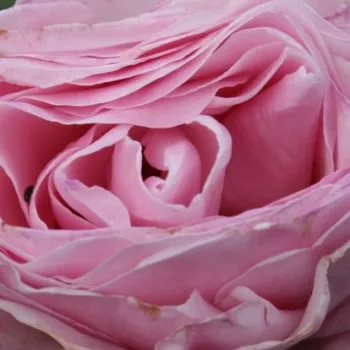
Medium-sized, very double, cup-shaped flowers with over 40 petals, borne in clusters; a good repeat-flowering variety with a notably abundant second flush after the main bloom. |
| Colour data and phenology |
Soft warm pink with subtle lavender tones, ARS MP, RHS 65C outer and 68B inner; colour lightens in heat and strong sun, giving gentle pastel and pearlescent effects as blooms age. |
| Fragrance and aroma |
Medium-strength, classic rosy scent that is pleasantly noticeable at close range, suitable for paths, seating areas and cutting, without becoming overpowering in confined garden spaces. |
| Hip characteristics |
Moderate production of ellipsoid hips, about 12–18 mm across, maturing to a bright orange-red and adding a modest late-season ornamental detail where spent blooms are not removed. |
| Resistance and winter hardiness |
Rated H7, hardy to around −21 to −18 °C, with good tolerance of summer heat and moderate drought; disease resistance for black spot, mildew and rust is medium and may need monitoring. |
| Horticultural recommendations |
Suited to beds, hedging, edging, containers and cutting; plant at 60–70 cm for rows, 110 cm as a specimen, giving at least 2 plants/m² in mass plantings for reliable garden presence. |
Princess Claire of Belgium offers long-lasting, soft pink flowering, a neat upright habit and dependable own-root resilience, making it a thoughtful choice for those planning a relaxed yet structured family garden.