Berill hybrid tea rose – pharmaROSA® ORIGINAL 2-litre own-root
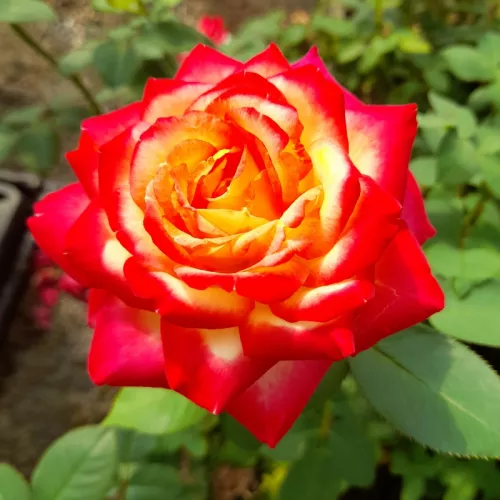
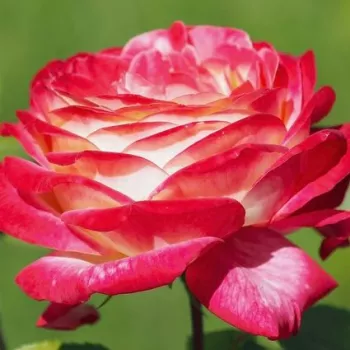
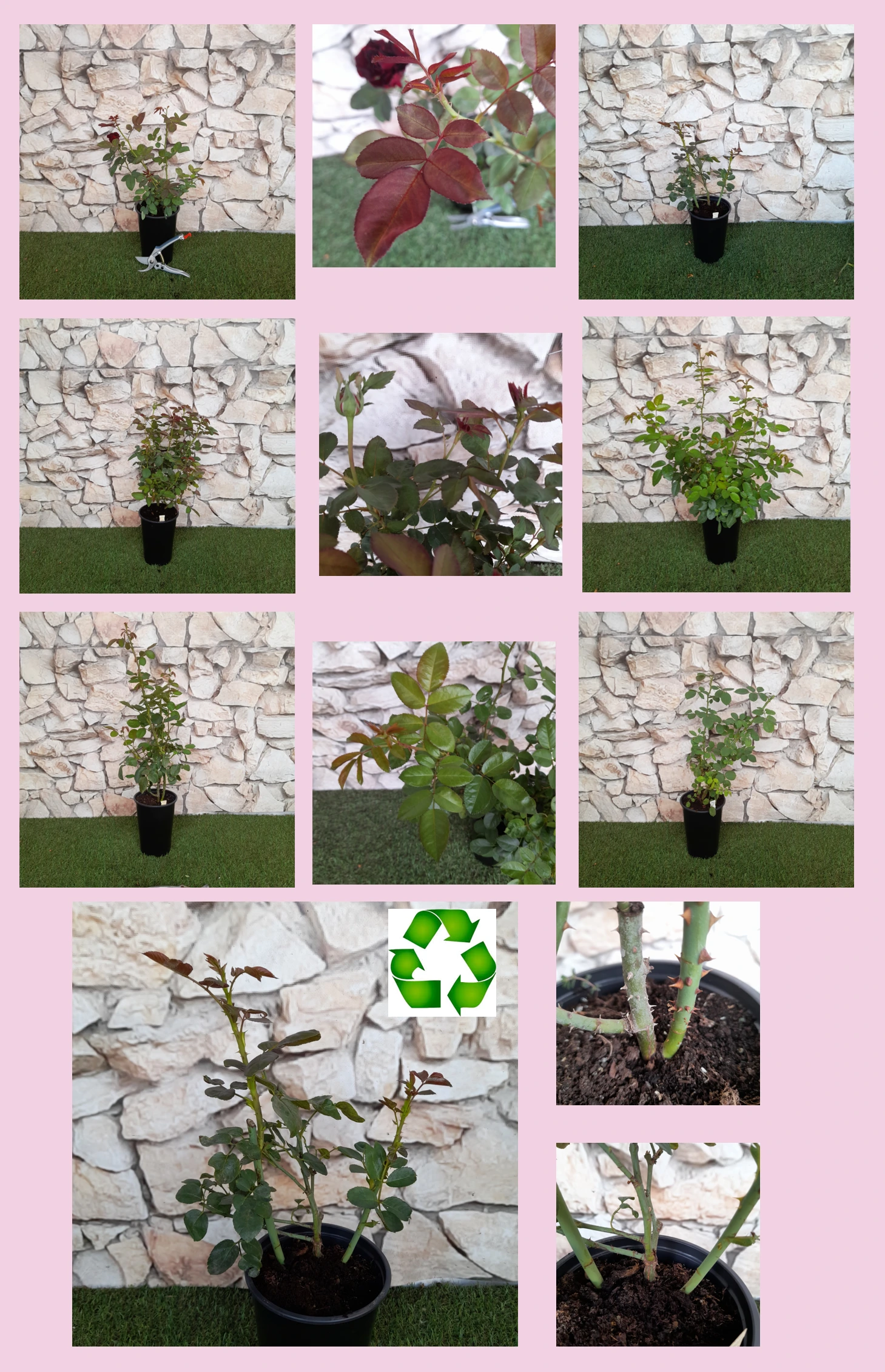
With its glowing red-and-gold blooms and tidy hybrid tea form, Berill brings colour, structure and reliable impact to the average family garden without demanding expert care. This bushy, medium-height rose works as a neat specimen or in small groups, fitting comfortably into front gardens, around paths and patios, and mixed cottage-style borders where you want flowers that simply “do their job”. As an own-root plant it settles in steadily for a long garden life, regenerating well after pruning and building a stable, balanced shrub over time. You can expect strong roots in the first year, more shoots and shape in the second, and full ornamental value by the third, all with straightforward seasonal tasks and sensible watering in wetter, windier British weather and heavy soils where good drainage and raised beds help roots stay healthy. Large, double flowers with a warm, fresh, fruity fragrance open singly on strong stems, perfect for effortless cutting for the vase, while remontant rebloom keeps beds lively through summer. Thoughtful planting distances make it easy to keep the shrub orderly, and medium maintenance needs mean routine feeding, watering and the occasional tidy-up are usually enough for beginners and time-pressed gardeners to enjoy this premium, long-lived rose with genuine confidence.
Usage options
| Target area |
Reasoning |
| Front garden focal point |
Use Berill as a single specimen near the entrance or at the end of a path for an easy yet eye-catching welcome. Its bushy, mid-height habit and striking two-tone flowers create a smart, composed look without complex pruning, suiting appearance-focused beginners. |
| Small group planting (1–3 plants) |
Plant in a loose triangle or short row at 60–90 cm spacing for a compact, repeat-flowering feature that fills space without overwhelming a modest bed. The consistent height and form help keep borders tidy with minimal shaping, ideal for busy family gardeners. |
| Classic cottage-style border |
Combine Berill with perennials such as lavender, rudbeckia or liatris for a relaxed yet harmonious cottage feel. Its clear flower shape and strong colour contrast stand out among softer textures, adding structure while remaining easy to manage for cottage-garden enthusiasts. |
| Cut-flower corner |
Assign a small section of the garden for cutting: Berill’s XL, double, spherical blooms on sturdy stems provide reliable flowers for the vase. Regular picking encourages new buds, so you gain indoor arrangements and extended flowering, suiting home bouquet lovers. |
| Low-maintenance family bed |
In mixed beds where time is limited, Berill’s medium maintenance needs and remontant flowering offer colour with straightforward seasonal care. Basic feeding, watering and occasional deadheading are typically sufficient, giving reassuring results for time-poor homeowners. |
| Own-root long-term rose area |
For a long-lived rose feature, Berill’s own-root character helps it adapt gradually to your soil and care regime, forming a stable bush that can regenerate well after harder pruning. This suits gardeners planning permanent plantings and valuing durability, especially long-term planners. |
| Containers and large patio pots |
In a large container of at least 40–50 litres with quality compost and regular watering, Berill delivers showy blooms close to seating areas. Its medium size and upright, bushy habit keep the display proportionate and manageable for townhouse balcony owners. |
| Exposed or challenging garden spots |
Where borders face wind or heavier soils, Berill’s bushy frame and reliable growth give a steady display if you provide reasonable drainage and sensible watering, especially in wetter, windier conditions and raised beds. This makes it reassuring for practical UK gardeners. |
Styling ideas
- WarmEntrance – Pair Berill with box or small evergreen shrubs by the front door for a welcoming, structured entrance – ideal for homeowners wanting formal charm without intricate care.
- CottageRibbon – Run a low ribbon of Berill along a path with catmint and hardy geraniums for a soft-edged, cottage feel – perfect for those who like relaxed style but need easy upkeep.
- SunsetTrio – Plant three Berill roses together in a small bed, underplant with silver foliage like artemisia for contrast – suited to beginners seeking a simple but high-impact feature.
- PatioVase – Grow Berill in a 50-litre terracotta pot with trailing thyme at the base for fragrance and colour by seating areas – great for balcony and terrace users wanting contained elegance.
- FamilyCutting – Dedicate a corner bed to Berill with annuals for filler, creating a reliable source of cut flowers – appealing to families who enjoy picking garden blooms for the house.
Technical cultivar profile
| Parameter |
Data |
| Name and registration |
Berill is a hybrid tea rose marketed as Berill hybrid tea rose pharmaROSA®, with no separate registered exhibition name reported; the cultivar name refers to the gemstone mineral beryl. |
| Origin and breeding |
A hybrid tea discovered by pharmaROSA® in France in 2018; detailed parentage, breeding company and registration year are not documented, with initial distribution by PharmaRosa® Ltd. in Hungary. |
| Growth and structural characteristics |
Bushy shrub 80–105 cm tall with 60–85 cm spread, dense mid-green, slightly glossy foliage and moderate prickles; forms a compact, balanced bush suitable for beds, borders, hedging and containers. |
| Flower morphology |
Large XL, double (26–39 petals) spherical to pompom flowers borne mainly solitary on stems; remontant, with abundant second flush, though spent blooms are weakly self-cleaning and may need deadheading. |
| Colour data and phenology |
Red-yellow bicolour with fire-red petal edges and golden-yellow to orange centres; tones fade toward butter-yellow or cream but maintain a two-tone contrast from bud stage through full bloom. |
| Fragrance and aroma |
Medium-strength fresh, fruity fragrance that is clearly noticeable at close range; primarily ornamental, with strongly double flowers concealing stamens and offering limited value as a pollinator resource. |
| Hip characteristics |
Rose-hip set is generally slight due to the full, double flowers; when present, hips are spherical, bright red, around 8–12 mm in diameter, offering occasional late-season decorative interest. |
| Resistance and winter hardiness |
Hardy to approximately –21 to –18 °C (RHS H7, USDA 6b, Swedish Zone 3); medium disease resistance overall with good black spot resistance, moderate susceptibility to powdery mildew and rust. |
| Horticultural recommendations |
Performs best in sunny positions as a specimen, in flower beds or containers; medium maintenance, requiring regular watering, feeding and occasional plant protection, plus deadheading for a neat finish. |
Berill hybrid tea rose offers vivid bicolour blooms, reliable repeat flowering and adaptable own-root longevity, making it a thoughtful, low-fuss choice for those planning a long-lived, good-looking garden.