PLANTEN UN BLOMEN® – red bedding floribunda rose – Kordes
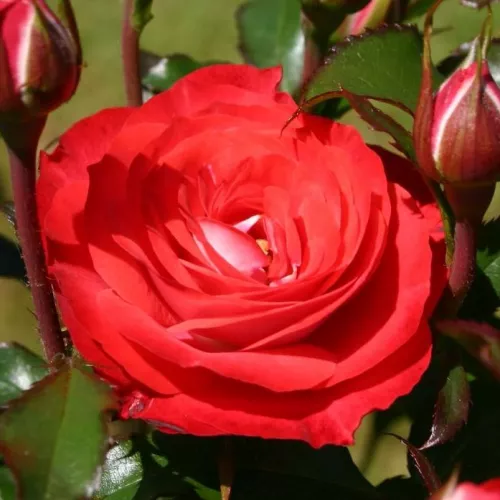
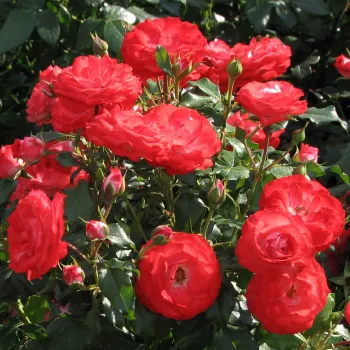
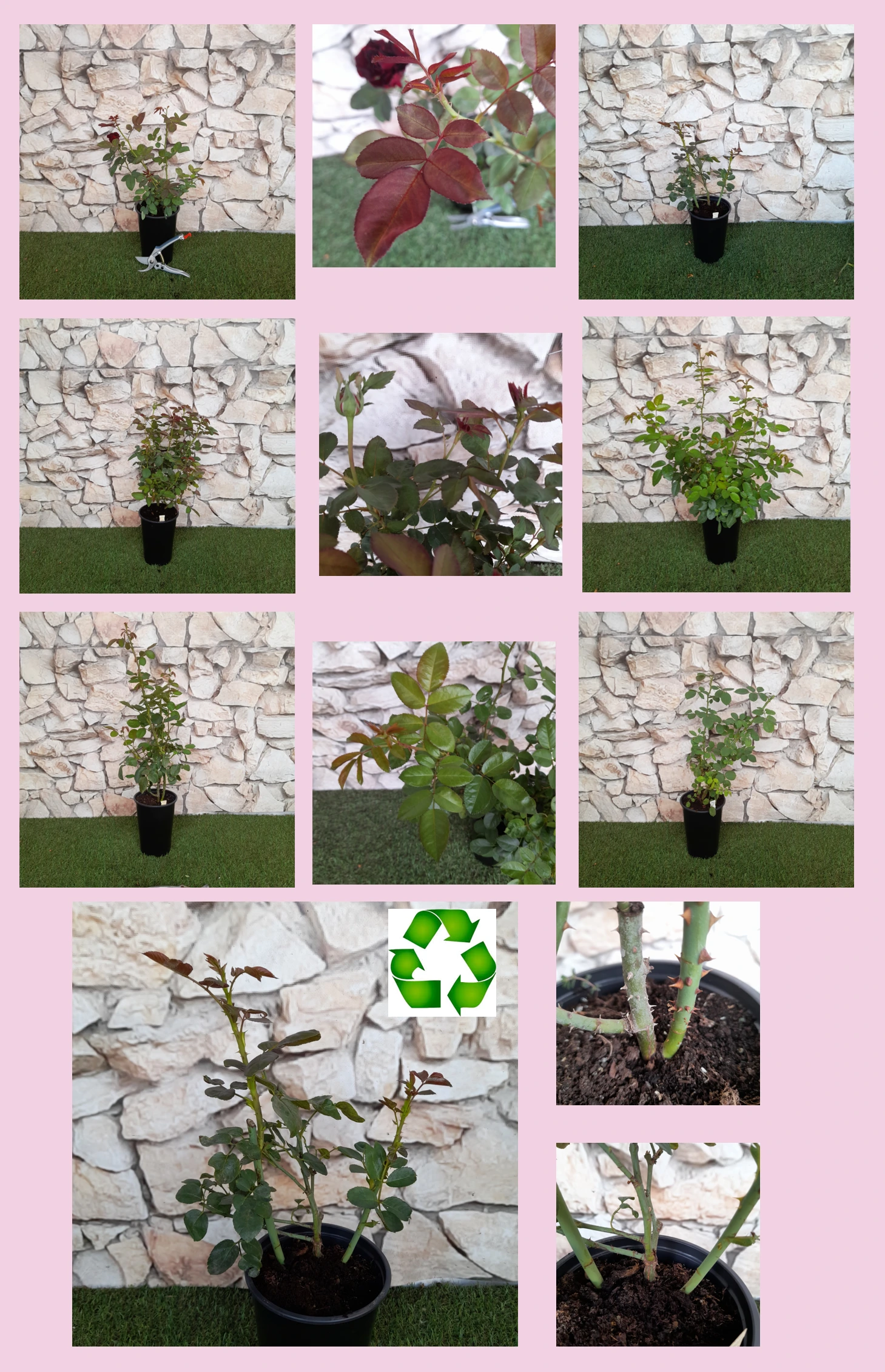
Effortless planting meets reliable flowering with this compact, upright floribunda designed for neat British front gardens that stay attractive even under windy and rain-lashed conditions by the house. Its brick-red, cream-backed blooms give a classic cottage feel in beds and borders, while the dense, dark foliage builds into a well-shaped shrub over time. In a 2‑litre own-root form it settles in quickly and repays basic care with a long, stable life, gradually developing from strong roots to fuller shoots and then full ornamental value over the first few years, making it an ideal beginner choice for busy family gardens that value tidy structure, colour continuity, and straightforward seasonal maintenance with only occasional plant protection as needed.
Usage options
| Target area | Reasoning |
|---|
| Front garden bed along the path |
The compact 70–95 cm height and 40–60 cm spread keep sightlines open while giving a defined, brick-red ribbon of colour towards the door. Dense foliage and upright growth make edging easy to read from the pavement, ideal for those wanting a smart but welcoming first impression for the front of a typical family home, especially beginners. |
| Small mixed cottage border |
Its floribunda clusters and semi-double blooms sit comfortably among perennials such as campanulas, aubrieta and dwarf asters, echoing traditional cottage planting without overwhelming the space. The medium maintenance level means routine deadheading and the odd plant-health check rather than complex regimes, suiting gardeners balancing charm with practicality, including busy-owners. |
| Low, informal flowering hedge |
Planted at 40 cm intervals, the upright, branching habit knits into a low hedge that marks boundaries without needing precise clipping. Repeat flowering gives seasonal structure from late spring well into summer, supporting family gardens that prefer soft divisions between play space and ornamental areas yet want a planting line that is easy to understand for families. |
| Feature group of 3–5 plants by the front door |
In a small group, the fiery red blooms with creamy reverses create a strong focal point against brick, gravel or paving, drawing the eye without demanding complex design skills. The own-root plants establish securely and form balanced shrubs over time, giving homeowners confidence that the feature will mature steadily year after year, reassuring many homeowners. |
| Containers on patios or terraces |
In large pots from 40–50 litres, this rose forms a tidy, upright shrub with repeated flushes of colour, ideal where borders are limited or soil is challenging. Container culture allows better control over drainage and feeding, while the plant’s moderate care needs keep seasonal tasks manageable for those who mainly use outdoor seating areas at weekends, particularly urbanites. |
| Small family back garden shrub bed |
The height and spread suit modest beds where children still need lawn space, providing vertical interest without casting deep shade. Its tolerance of heat with moderate watering fits typical UK summers, where busy families prefer simple watering routines and reliable structure over more demanding plants, aligning well with practical but style-conscious parents. |
| Partially shaded side-of-house border |
This variety tolerates partial shade, so it copes well beside fences or between houses where light can be restricted. Colour retention is very good, with only moderate fading in stronger sun, so the blooms remain presentable across varying aspects, helping householders turn awkward side strips into coherent planting with limited effort, especially novices. |
| Wind-exposed or coastal-influenced front positions |
The dense foliage, medium height and resilient floribunda clusters help it withstand blustery, rain-exposed sites, making it suited to British gardens facing regular wind and wet spells without complex protection measures. As an own-root shrub it anchors firmly over time, building a stable framework in changeable weather and rewarding patient yet time-poor gardeners. |
Styling ideas
- Classic-edging – Line the front path with evenly spaced plants for a low, brick-red border that mirrors traditional British front gardens – ideal for homeowners wanting order and heritage character.
- Cottage-mix – Combine with campanulas, aubrieta and dwarf asters for an informal tapestry of reds, blues and purples – suited to those who love relaxed cottage style without heavy upkeep.
- Doorway-focus – Plant 3–5 roses in a generous gravel or mulched bed by the entrance for a welcoming, high-impact cluster of colour – for visitors who value a simple yet striking first impression.
- Pot-partners – Grow in 40–50 litre containers with low herb or grass underplanting for a neat patio accent that is easy to water and maintain – perfect for small-plot or balcony-focused urban gardeners.
- Family-frame – Use as a soft, low hedge edging a lawn or play area, giving seasonal structure and colour without harsh barriers – appealing to families wanting child-friendly, clear but gentle garden zoning.
Technical cultivar profile
| Parameter | Data |
|---|
| Name and registration |
Floribunda bed rose; registered as KORplunblo, marketed as Planten un Blomen® Kordes‘ Klima-Rosen®; exhibition category shrub rose / exhibition floribunda; ARS name Planten un Blomen. |
| Origin and breeding |
Bred by W. Kordes & Sons in Germany, breeding year 1999; parentage undisclosed; registered 1999 and introduced 2008 through W. Kordes’ Söhne as a climate-adapted floribunda for garden use. |
| Awards and recognition |
Holds ADR Award (2009); Golden Rose of The Hague (2010); Silver Medals at Kortrijk (2010) and Baden bei Wien (2009); Trial Ground Certificate St Albans (2009); Paris Award (2010), confirming garden merit. |
| Growth and structural characteristics |
Upright, bushy floribunda, around 70–95 cm high and 40–60 cm wide; dense, dark green, slightly glossy foliage; moderately thorny shoots; self-cleaning weak, so spent blooms benefit from periodic deadheading. |
| Flower morphology |
Semi-double, cup-shaped clusters, typically 17–25 petals per bloom; medium-sized flowers around 1.5–2.75 inches; floribunda habit with strong remontancy and an abundant second flush over the season. |
| Colour data and phenology |
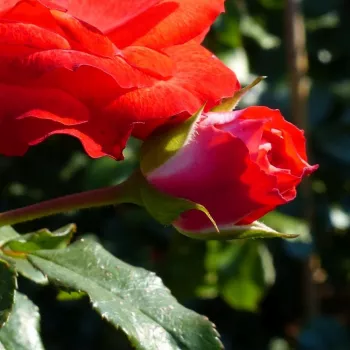
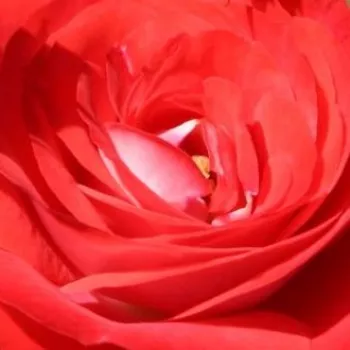
Bright red with creamy-white petal reverse; buds deep orange-red; fiery red newly opened, later showing brick-red centres and modest fading; ARS colour rb, RHS 46A and 155D; colour holds well in strong sunlight. |
| Fragrance and aroma |
No noticeable scent; fragrance classed as scentless; semi-double to double flowers provide limited stamen access, so overall pollinator appeal is modest and it should not be selected as a primary wildlife rose. |
| Hip characteristics |
Occasional ovoid hips, about 6–10 mm, red when ripe; generally not produced in large quantities and of mainly ornamental interest rather than for culinary or wildlife-focused harvesting in most garden settings. |
| Resistance and winter hardiness |
Hardy to approximately –26 to –23 °C (RHS H7, USDA 5b, Swedish zone 4); good heat tolerance with moderate watering; disease resistance moderate to powdery mildew and black spot, resistant to rust overall. |
| Horticultural recommendations |
Best for beds, small hedges, containers and park plantings at 40–70 cm spacing; prefers well-drained soil; tolerates partial shade; medium maintenance with some plant protection and routine deadheading advised. |
PLANTEN UN BLOMEN® offers reliable repeat flowering, compact structure and award-backed resilience in an own-root form that matures steadily for years, making it a thoughtful choice when planning a straightforward, lasting garden addition.