PIRONTINA – pink climbing rose – Pironti di Campagna
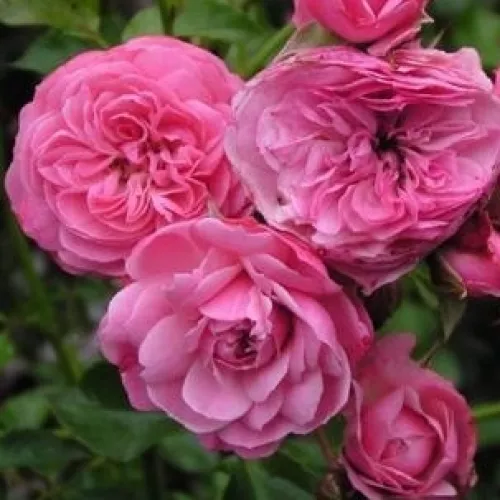
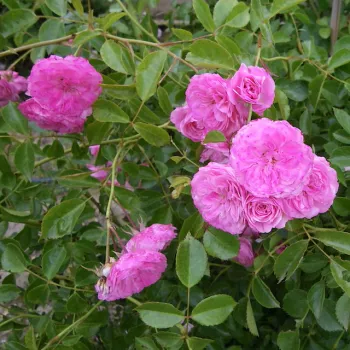
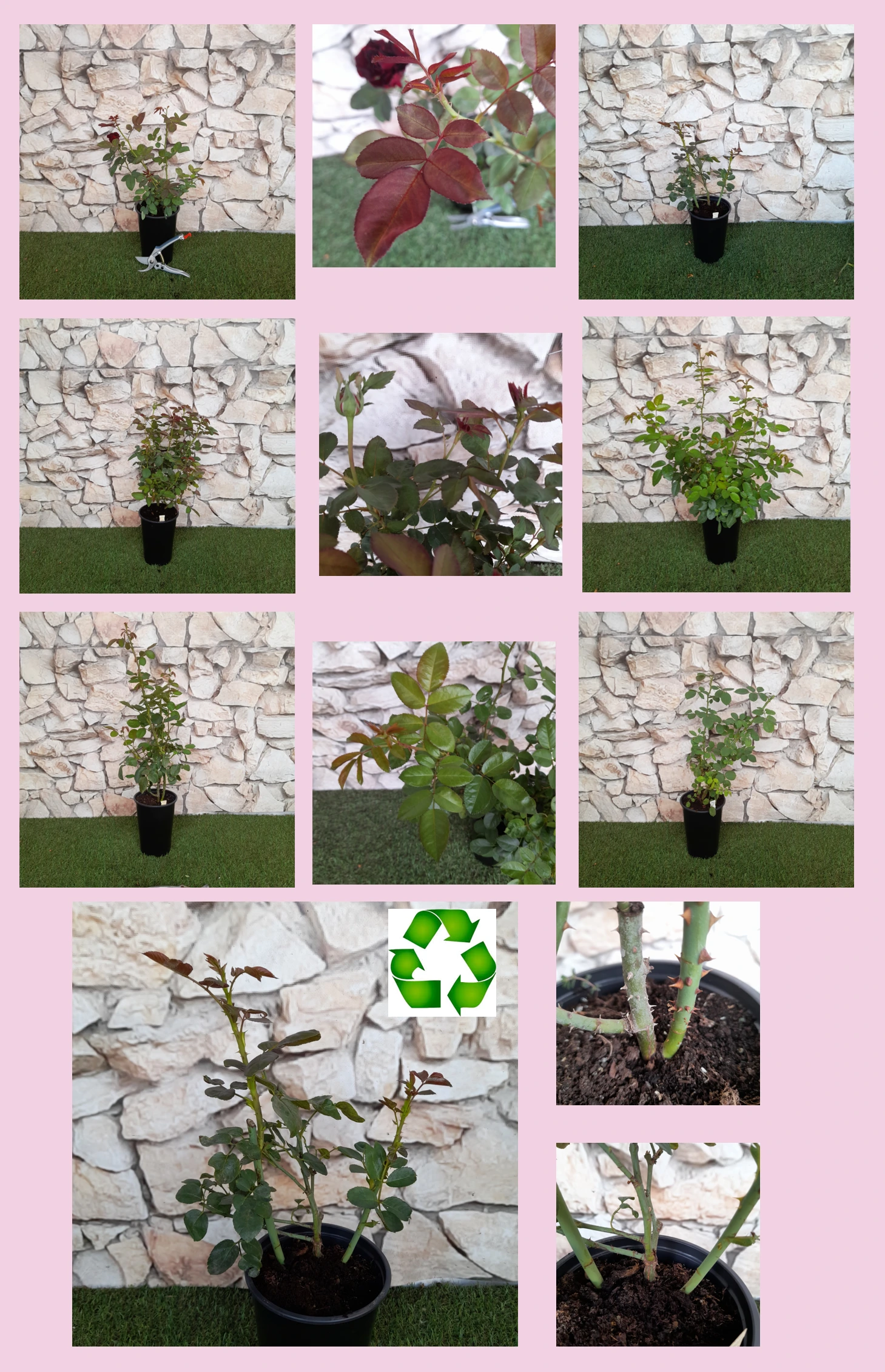
For classic front gardens and cottage-style entrances, PIRONTINA is an easy-going climbing rose that rewards regular but modest care with a long season of blooms and tidy, elegant growth. Its medium-sized, pompon-shaped flowers in a soft, uniform pink shade appear in repeat flushes, creating a welcoming, romantic accent on fences, arches, pergolas and house walls. As an own-root plant in the pharmaROSA® ORIGINAL 2-litre format, it settles reliably and forms a stable framework that can be pruned more freely over time, supporting a long, balanced lifespan in typical British family gardens. With dense, dark green, glossy foliage, it offers an attractive backdrop even between flower flushes, and its moderate crop of small red hips adds a gentle seasonal interest into autumn. You can count on it to anchor vertical structure securely even where breezes and damp weather call for good training and spacing, suiting those who want dependable colour without complicated techniques.
Usage options
| Target area | Reasoning |
|---|
| Front-garden arch or pergola near the entrance |
PIRONTINA’s medium height and controlled, creeping climbing habit make it ideal for framing a front path or doorway without overwhelming the space. The repeat-blooming pink pompon flowers deliver a welcoming, romantic focal point across the season for the style-conscious beginner. |
| Clothed fence between neighbouring gardens |
Its dense, glossy dark green foliage and steady 240–380 cm height create an attractive, living screen that softens boundaries without feeling heavy. Repeat flowering in soft pink tones breaks up the green mass and offers charm on both sides for privacy-seeking homeowners. |
| Wall-trained rose for small and medium houses |
Trained on horizontal wires, PIRONTINA produces a neat, layered structure with clusters of medium-sized flowers held close to the wall. This allows you to green up a blank facade in a controlled way, suiting typical town and village homes for practical-minded gardeners. |
| Classic cottage-style mixed border backdrop |
The rose’s soft, uniform pink blends easily with perennials and shrubs, while its repeat flowering ensures colour returns after the first flush. Positioned at the back of a bed with lighter perennials in front, it provides romantic structure for cottage-garden enthusiasts. |
| Small group of climbers on a shared pergola |
Planting two or three PIRONTINA plants at recommended spacing allows you to cover a seating pergola evenly, while keeping maintenance within reach. Their consistent colour and medium vigour give a harmonious, unified look that appeals to relaxed family-garden users. |
| Structure rose for coastal or breezier plots |
Once established from its own roots, PIRONTINA forms a well-anchored plant that responds well to firm tying-in and occasional pruning, helping it cope with exposed positions and moisture-laden winds where good training and spacing really matter for cautious newcomers. |
| Larger container or half-barrel near a terrace |
In a 40–50 litre or larger container with good drainage, this climber can be trained on an obelisk or small arch to bring vertical colour close to seating areas. Its moderate growth and neat foliage keep the structure manageable for balcony and patio owners. |
| Seasonal interest feature with hips and repeat blooms |
Beyond its summer flowers, PIRONTINA produces moderate quantities of small, red, spherical hips in autumn, extending visual interest into the cooler months. Combined with its repeat flowering, this gives several phases of appeal through the year for long-view planners. |
Styling ideas
- Entrance Archway – Train PIRONTINA over a simple metal or wooden arch, underplant with lavender or nepeta for a soft, scented path edge – ideal for homeowners wanting a welcoming front approach.
- Cottage Fence – Let the rose climb a low to medium-height picket or wire fence, mixed with foxgloves and hardy geraniums – suited to lovers of relaxed cottage-garden informality.
- Courtyard Focus – Grow it in a 50-litre half-barrel with an obelisk, surrounding the base with herbs for a compact focal point – perfect for small urban terraces seeking vertical interest.
- Pastel Pergola – Combine PIRONTINA with pale clematis varieties and airy grasses on a pergola for a light, romantic tunnel of colour – for gardeners aiming at a gentle, elegant retreat.
- Wall Tapestry – Space several plants along a sunny wall and intersperse with climber-friendly shrubs like Cornus sericea for layered texture – appealing to those creating a structured, designed look.
Technical cultivar profile
| Trait | Data |
|---|
| Name and registration |
PIRONTINA – pink climbing rose – Pironti di Campagna; large-flowered climber in the climbing rose group, exhibition-eligible as an exhibition climbing rose, with ARS exhibition name registered as Pirontina. |
| Origin and breeding |
Italian climbing rose bred by Duca Nicola Pironti di Campagna around 1975, with unknown parentage; introduced in 1975 and now supplied as an own-root, container-grown plant for garden use. |
| Growth and structural characteristics |
Creeping, trainable climber reaching about 240–380 cm high and 100–160 cm spread, with dense, moderately thorny shoots and glossy dark green foliage forming a stable framework when properly supported. |
| Flower morphology |
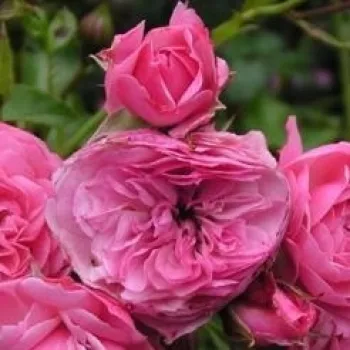
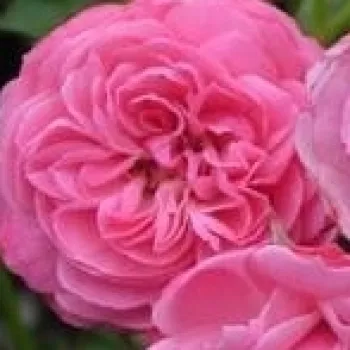
Medium-sized, very double, globular pompon flowers borne in clusters; typically 40 or more petals per bloom, with reliable repeat flowering and a generous second flush under average garden conditions. |
| Colour data and phenology |
Soft, moderately saturated pink blooms (ARS Mp, RHS 65C–65D) that open with slightly deeper centres, then fade gently to pastel pink while keeping a harmonious, uniform appearance before petal drop. |
| Fragrance and aroma |
No noticeable scent; bred primarily for visual effect and flower form rather than perfume, making it suitable where fragrance is not essential or where visual continuity is the main design goal. |
| Hip characteristics |
Produces a moderate quantity of small, spherical red hips 10–14 mm in diameter in autumn, adding light ornamental interest and seasonal variation without overwhelming the plant’s overall appearance. |
| Resistance and winter hardiness |
Medium disease resistance to powdery mildew, black spot and rust; hardy to approximately –21 to –18 °C (RHS H7, USDA 6b, Swedish Zone 3) with routine care and observation for fungal issues in damp seasons. |
| Horticultural recommendations |
Best in full sun on well-drained soil; ideal for arches, pergolas, fences and wall training at 140–240 cm spacing, with regular tying-in and moderate pruning to maintain shape and flower production. |
PIRONTINA offers soft pink repeat flowering, tidy climbing structure and gentle autumn hips, and as an own-root climber it matures into a durable garden feature worth considering for long-term vertical colour.