Pink Elizabeth Arden – pale pink bedding floribunda rose – TANtenom
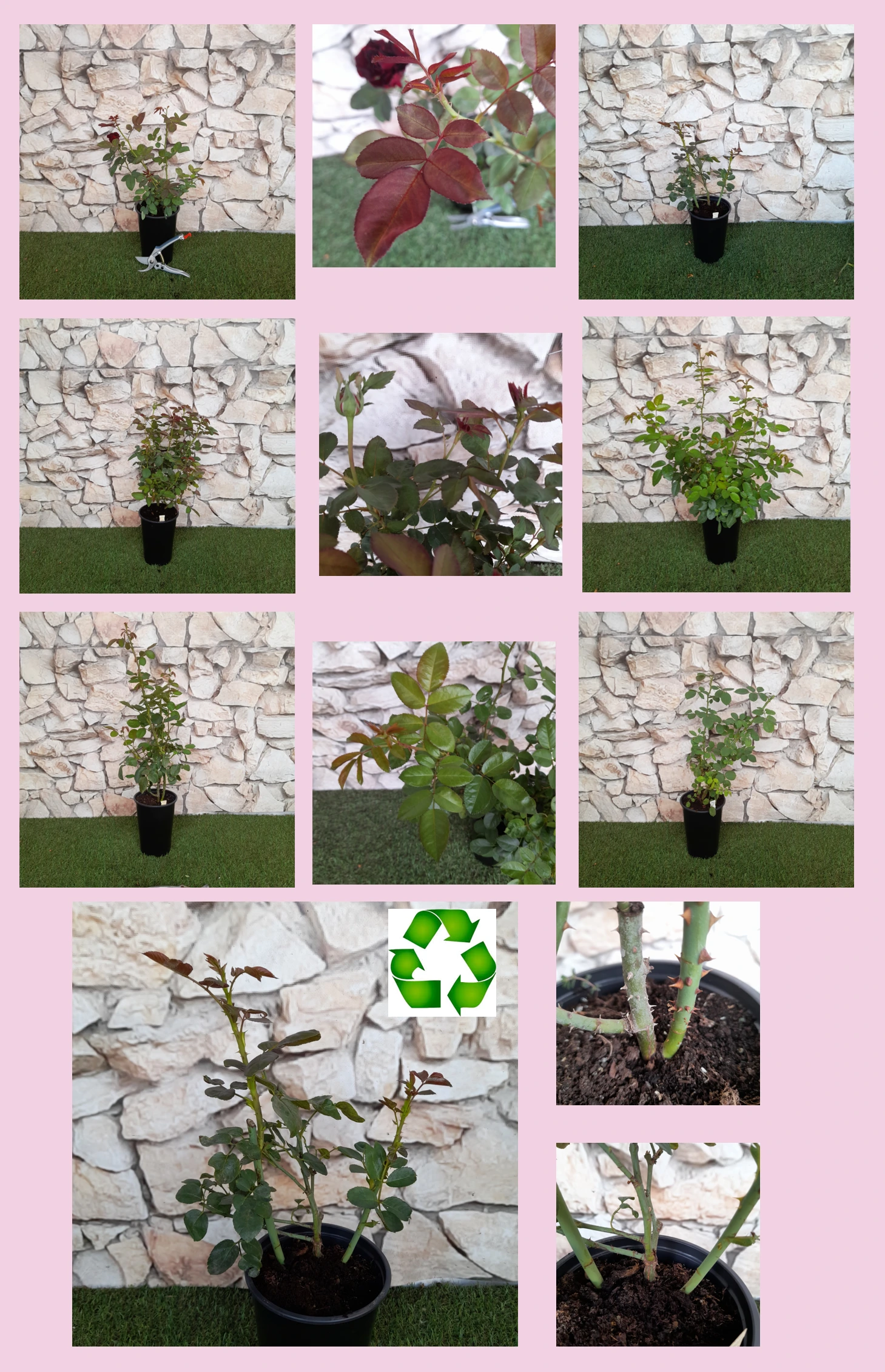
Effortless planting meets reliable colour in this compact, upright floribunda that suits modest British plots and copes steadily even where soil stays heavy after rain and needs careful drainage attention. Its semi-double, open-centred blooms flush repeatedly in soft pastel pink sprays, ideal for low hedges, bedding schemes and containers by the front door. As an own-root rose it develops a balanced shape and regenerates well, building a durable, bushy presence with minimal fuss over the years. Expect roots to establish first, then stronger top growth, before full ornamental impact settles in by the third season, suiting busy gardeners seeking easy structure, gentle cottage-style charm and long-term stability in a family garden.
Usage options
| Target area |
Reasoning |
| Front-garden bedding strips along drives or paths |
The compact, upright habit and 80–120 cm height create a tidy, flowered line without dominating narrow spaces, while the pastel pink clusters soften hard surfaces and parked cars and need only routine pruning – ideal for the style-conscious beginner |
| Low, informal hedge to frame lawns or play areas |
Planted at 35 cm intervals, plants knit into a low flowering barrier that stays dense thanks to own-root vigour and can be pruned flexibly without losing shape, giving a long-lived, forgiving framework for the time-poor homeowner |
| Small mixed cottage-style borders |
The semi-double sprays blend easily with perennials and shrubs, and the moderate self-cleaning plus quick repeat help keep the border presentable between visits, suiting relaxed cottage schemes overseen by a busy gardener |
| Mass planting for cohesive colour blocks |
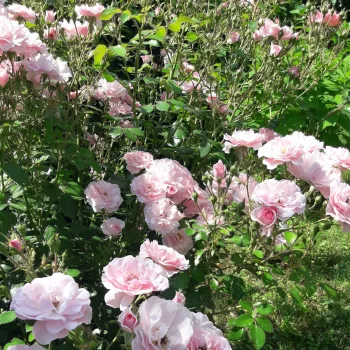
At 5–7 plants per m² it forms even, pastel carpets of bloom whose steady repeat and ADR-backed reliability build impact over several seasons without intricate care, reassuring the budget-aware planner |
| Large containers on patios or at entrances |
In a 40–50 litre pot it becomes a neat, upright feature with good foliage cover and regular flushes, easy to water and feed on terraces where beds are limited, fitting compact outdoor spaces favoured by the urban dweller |
| Family gardens on heavier or cooler soils |
Its proven hardiness and medium disease resistance suit many UK conditions, while own-root plants anchor firmly and adjust gradually, performing reliably even where wetter, heavier ground demands some attention to improved drainage |
| Cut sprays for casual indoor arrangements |
Clustered, cup-shaped flowers on each stem provide ready-made sprays for vases, and the refined pale pink tones mix well with other garden material, giving easy, low-cost decoration for the practical yet aesthetic host |
| Pollinator-friendly family planting schemes |
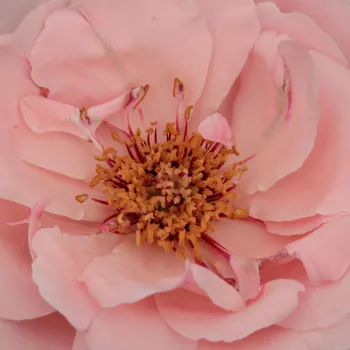
Semi-double, open-centred blooms offer accessible stamens for visiting insects while still reading as decorative bedding roses, allowing wildlife-aware households to support pollinators without sacrificing neatness, perfect for the environmentally mindful family |
Styling ideas
- Soft-edged front border – Line a path with Pink Elizabeth Arden and low box, using its upright sprays to soften paving while keeping a clear outline – ideal for order-loving homeowners
- Pastel cottage mix – Combine with Russian sage and airy grasses so the pale pink clusters float among blues and silvers – perfect for fans of relaxed cottage borders
- Formal entrance pair – Plant two roses in generous 50 litre containers flanking the front door for symmetrical, easy-care colour – suited to busy urban professionals
- Family-friendly hedge – Create a low hedge backed by guelder rose, giving soft boundaries and seasonal interest with minimal specialist pruning – good for young families
- Long-season bed – Mass-plant as a pastel base and thread through spring bulbs and late perennials for colour from spring to autumn – attractive to design-conscious beginners
Technical cultivar profile
| Parameter |
Data |
| Name and registration |
Floribunda bedding rose, registered as TANtenom, traded as Pink Elizabeth Arden; ARS exhibition name Geisha; part of the bedding rose collection for garden and show use. |
| Origin and breeding |
Bred by Mathias Tantau Jr. (Rosen Tantau, Germany) around 1964, introduced from 1966 in Europe and beyond via Rosen Tantau and Roy H. Rumsey Pty. Ltd. in Australia. |
| Awards and recognition |
Holds ADR-Sorte classification in Germany (1965) for proven garden value and received first place Floribunda Spray at the Tualatin Valley Rose Society Show, USA, in 1998. |
| Growth and structural characteristics |
Upright, bushy floribunda 80–120 cm tall and 50–70 cm wide, with dense, dark green, slightly glossy foliage and moderate prickliness; forms an even, well-branched bedding shrub. |
| Flower morphology |
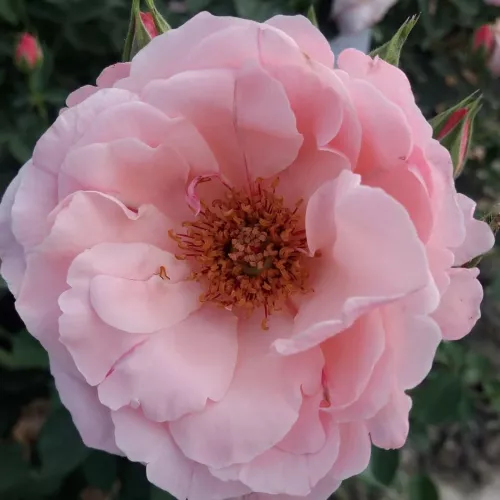
Semi-double, medium-sized, cup-shaped blooms with 13–25 petals, carried in clusters of 3–5 per stem; remontant habit delivering a generous second flush and reliable bedding display. |
| Colour data and phenology |
Pale pastel pink (ARS LP; RHS 65C outer, 65D inner), opening fresh, then fading to creamy, very pale pink with near-white margins before petals fall; colour retention intentionally soft and delicate. |
| Fragrance and aroma |
Very weak, barely perceptible rosy fragrance; primarily selected for visual bedding performance rather than scent, suiting sites where strong perfume is not required or might be intrusive. |
| Hip characteristics |
Produces moderate quantities of small, ellipsoidal red hips, around 8–12 mm in diameter, adding discreet late-season interest without overwhelming the plant’s overall bedding function. |
| Resistance and winter hardiness |
Medium resistance to black spot, powdery mildew and rust; hardy to around −21 to −18 °C (RHS H7, Swedish zone 3, USDA 6b), with moderate tolerance of heat and drought when watered. |
| Horticultural recommendations |
Best in sunny positions with improved soil structure; suitable for beds, mass plantings, low hedges, larger containers and cutting. Deadheading and occasional pest control maintain peak display. |
Pink Elizabeth Arden offers compact, repeatedly flowering pastel sprays, adaptable own-root longevity and neat structure, making it a dependable choice for those seeking graceful, low-effort colour in everyday gardens.