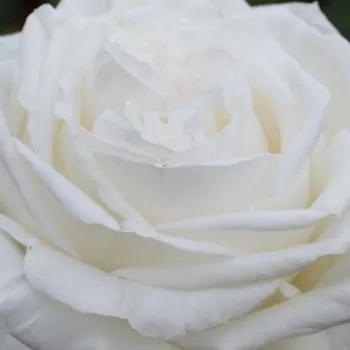
PIERRE ARDITI® – white hybrid tea rose - Meilland
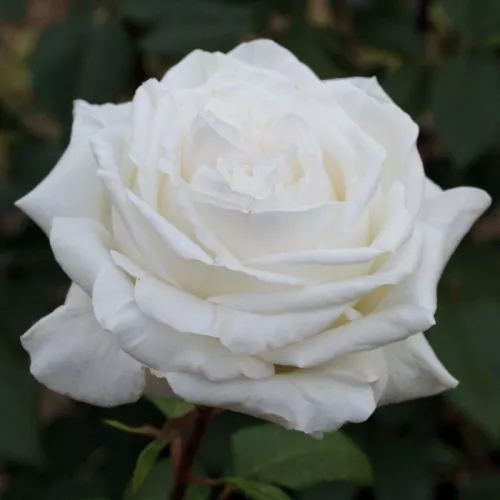
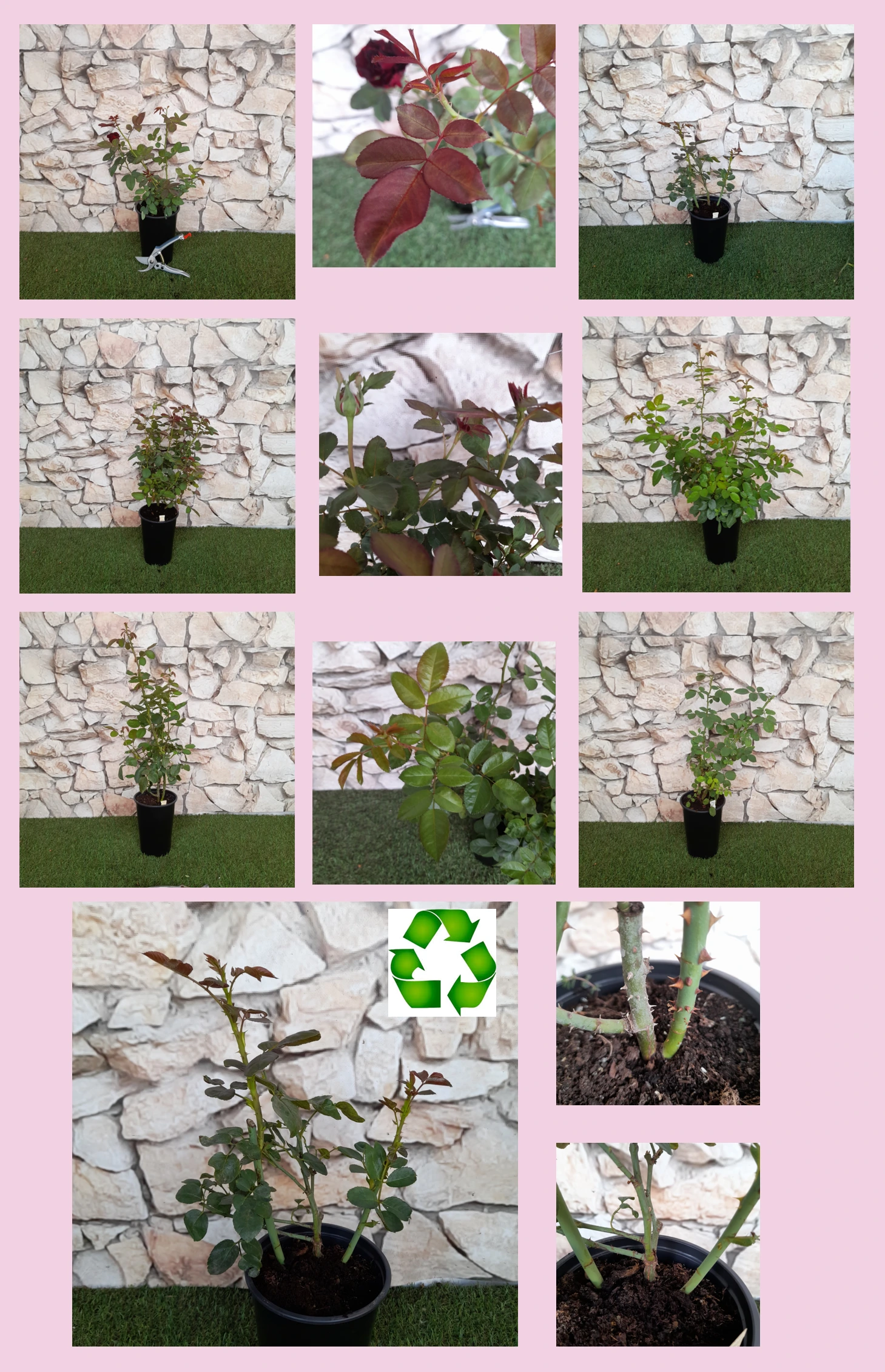
Elegance and purity define this crystal-white hybrid tea, producing large, exhibition-quality blooms on sturdy, upright stems that suit both borders and cutting. The richly perfumed flowers, detectable from a distance, bring classic fragrance to everyday family gardens, while the dense, glossy foliage underlines its refined presence. As an own-root rose, it develops steadily and reliably, forming a durable framework that supports long-term garden structure and cutting potential. In typical British gardens it rewards regular feeding, watering and basic deadheading, coping well even where breezes and rain are frequent near the coast. Planted with simple, reliable companions, it becomes the luminous focus of a tidy, easy-to-enjoy front garden, where ownership over time feels reassuringly stable and enduring, with its full ornamental potential maturing naturally from roots to framework and then to abundant flowering over the first three years.
Usage options
| Target area |
Reasoning |
| Front garden focal point |
The tall, upright habit and dense, dark green foliage create a clear vertical accent that anchors small front gardens without overwhelming the space. One or three plants framed by low perennials give a smart, orderly look, while regular deadheading keeps the large white flowers pristine for visitors and beginners. |
| Cutting patch or cutting row |
The extra-large, high-centred blooms on long, straight stems are ideal for cutting and vases, so a short row along a sunny path can provide armfuls of perfumed stems through summer. With predictable height and spread at 50–75 cm spacing, planning a modest home cutting patch is straightforward for homeowners. |
| Formal mixed border backbone |
Its reliable, upright structure and long-term framework make it a good “backbone” plant in mixed borders, pairing well with cottage-style perennials that can mask defoliated lower stems if disease occurs. Over time, the own-root form helps maintain a stable presence in a planned long-term layout for planners. |
| Specimen rose near seating area |
The very strong, rich perfume is best appreciated close up, making a single specimen near a bench or terrace rewarding for evening relaxation. Planted within easy reach for spraying and pruning, it suits gardeners who want maximum scent and bloom quality from a clearly defined, manageable area for enthusiasts. |
| Small group planting in cottage-style beds |
Groups of three to five plants give a generous mass of white flowers that reads as one luminous feature among looser cottage plants. Square or hexagonal planting at the suggested density helps keep the group tidy, while own-root growth supports a coherent clump over many seasons for stylists. |
| Sunny raised bed on heavier soils |
In gardens with heavier clay, a sunny, well-drained raised bed helps manage moisture and makes access for regular care and disease control easier. The rose’s needs are simpler to meet when soil conditions are controlled, giving more predictable results and attractive flowering even in challenging plots for urbanites. |
| Large container on patio (40–50 L+) |
Grown in a 40–50 litre or larger container with good compost and regular feeding, its height and flower size deliver a strong patio presence. Container culture also keeps the plant close at hand for spraying and deadheading, concentrating care in one easy-access place for busy professionals. |
| Long-term rose bed composition |
Where a long-lived, structured rose bed is planned, its own-root nature supports gradual regeneration: if stems age or are cut back hard, new shoots arise from the base to rebuild shape. Consistent height and bloom form make it a steady element within a carefully considered, multi-year design for collectors. |
Styling ideas
- White-&-green classic – Combine with box edging and white foxgloves for a restrained, formal front border – ideal for homeowners who prefer a clean, architectural look.
- Cottage contrast – Underplant with lavender, catmint and soft pink geraniums to soften the upright stems – suited to cottage-garden lovers seeking gentle colour harmony.
- Perfumed patio – Place one plant in a 50 litre pot with trailing thyme and lobelia – perfect for balcony and terrace gardeners who want fragrance close to seating.
- Showbench strip – Dedicate a sunny border row with easy-weeding ground cover between plants – attractive for exhibition-minded growers who value high-quality cut blooms.
- Evening glow – Position near a path with low, dusky purple salvias to frame the white flowers – appealing to those who enjoy atmospheric, scented twilight gardens.
Technical cultivar profile
| Characteristic |
Data |
| Name and registration |
Hybrid tea rose, registered as MEIcalanq; marketed as Pierre Arditi® hybrid tea rose MEIcalanq. Belongs to the hybrid tea commercial group and is accepted for exhibition classes. |
| Origin and breeding |
Bred by Alain Meilland in France in 2008, registered in 2011 and introduced after 2011 by Meilland International as breeder and initial distributor for international markets. |
| Awards and recognition |
Decorated at Buenos Aires in 2007 with Gold medal, Arts and Jeunes special awards, and at St Albans and Rome in 2008 with multiple Grandes Fleurs and fragrance distinctions. |
| Growth and structural characteristics |
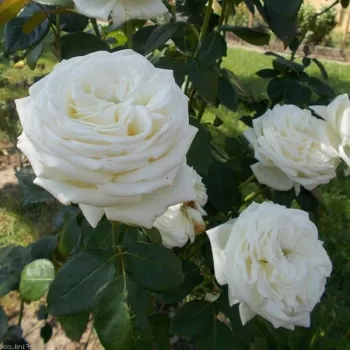
Vigorous, upright bush reaching about 95–125 cm in height and 60–80 cm spread, with dense, glossy dark green foliage and moderate prickliness providing a solid, vertical garden presence. |
| Flower morphology |
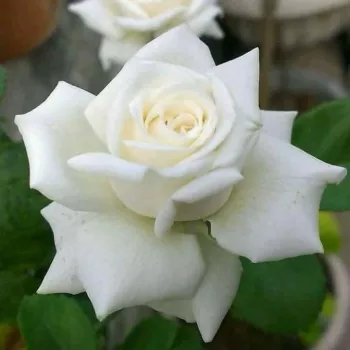
Very double, high-centred, cup-shaped blooms with over 40 petals; extra-large solitary flowers on long stems, producing a strong second flush when well fed, watered and regularly deadheaded. |
| Colour data and phenology |
Crystal-clear bright white flowers without pink or yellow tones; buds ivory-white, opening to pure white with emerald-green centres and a faint silvery sheen as the blooms mature and fade. |
| Fragrance and aroma |
Very strongly scented hybrid tea, with a rich, perfumed character clearly detectable from a distance, giving significant fragrance impact around seating areas, doors and frequently used garden paths. |
| Hip characteristics |
Produces few hips; when present they are small, ovoid, red structures around 10–14 mm in diameter, making hips a minor ornamental feature rather than a key design consideration. |
| Resistance and winter hardiness |
Rated H7 and hardy to approximately −21 to −18 °C and USDA 6b, but shows high susceptibility to black spot, mildew and rust, so benefits from consistent, preventive plant protection. |
| Horticultural recommendations |
Best in full sun with regular feeding, watering and thorough deadheading; requires frequent disease and pest control, planted 40–75 cm apart depending on use, with around four plants per square metre. |
PIERRE ARDITI® rewards attentive gardeners with exhibition-quality white blooms, powerful scent and a long-lived own-root framework that suits long-term planting plans, making it a thoughtful choice where a single rose must truly earn its place.