PICASSO™ – red-white bedding floribunda rose – McGredy
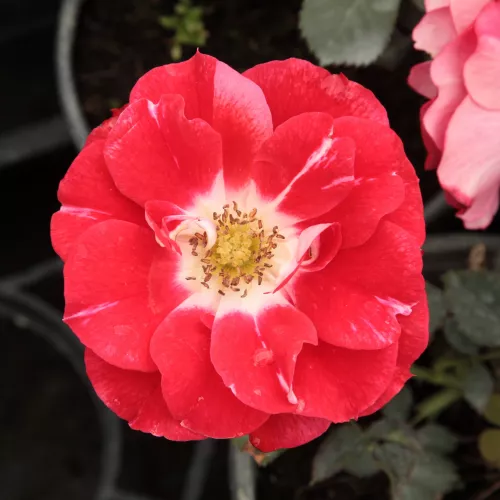
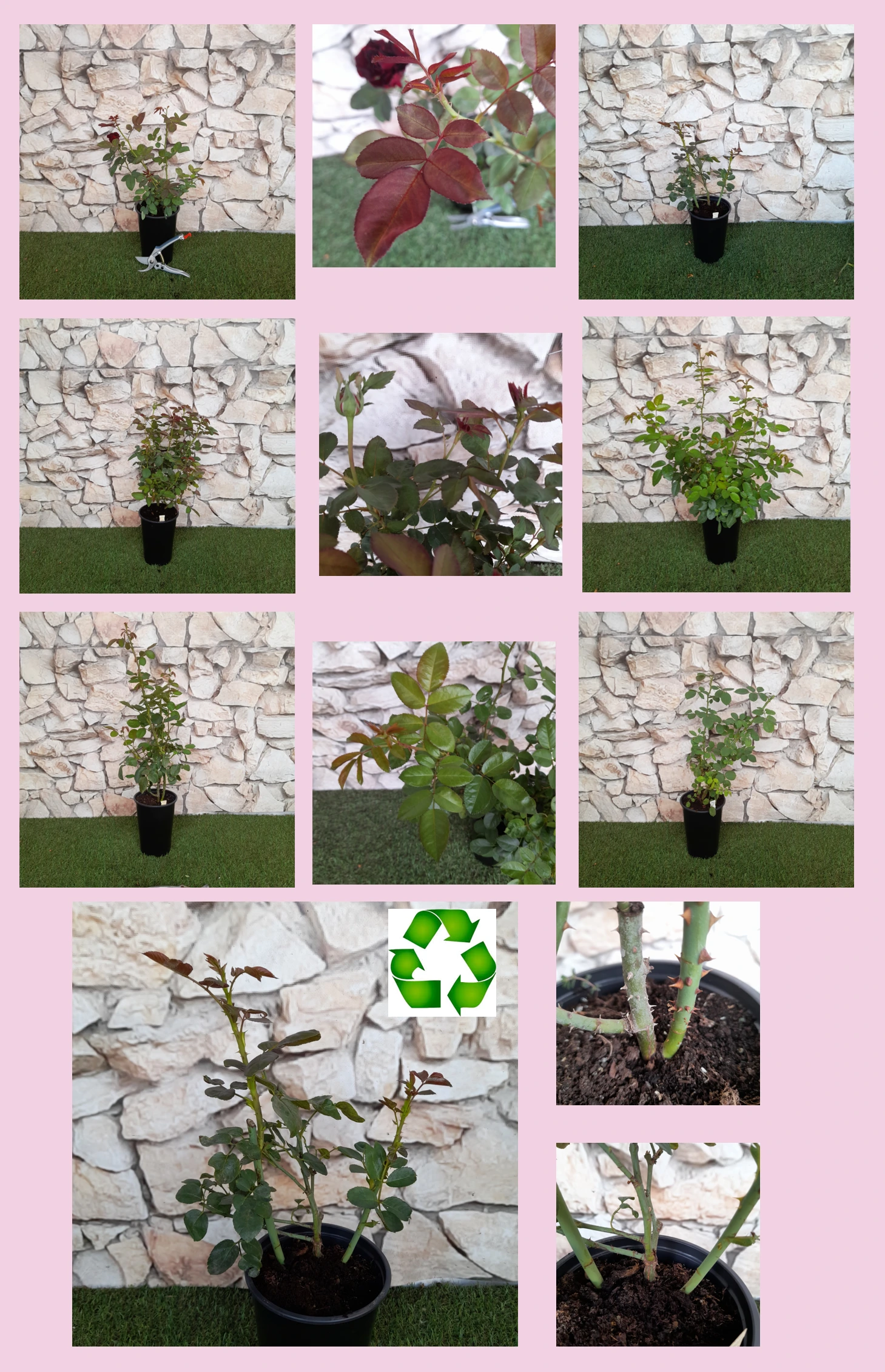
Hand-painted blooms bring a striking colour focus to classic front gardens, with cherry-red and cream stripes that stay eye-catching from pavement to doorway. This compact, bushy rose is ideally sized for borders and small beds, creating neat, low-maintenance structure without crowding other plants. Its good disease resistance keeps foliage clean in typical British humidity, while own-root vigour supports a long, reliable garden life. You can rely on its repeat flowering clusters through summer, even in mixed cottage-style plantings. With simple planting and basic watering, it copes well in breezy, rainy positions common to exposed UK plots. Over time, the shrub steadies itself and anchors well in the soil, coping confidently even where winter winds and wet spells test less robust roses. In a generous 40–50 litre pot it forms a tidy, rounded habit by the door or patio, rewarding beginners with clear, visible progress and dependable impact. Think of its development as roots in the first year, strong shoots in the second, then full ornamental value by the third, settling naturally into your everyday family-garden routine.
Usage options
| Target area |
Reasoning |
| Front garden focal bed |
The compact, bushy structure and striking striped blooms create an immediate focal point in small front gardens without overwhelming the space. Reliable repeat flowering keeps the approach to your house looking cared-for with modest effort, ideal for time-pressed beginners. |
| Low mixed border along paths |
Its moderate height and 50–75 cm spread sit comfortably at the front of a border, allowing you to weave it between perennials and grasses. Clustered semi-double flowers provide repeating splashes of colour that tie mixed plantings together for visually oriented homeowners. |
| Small groups in cottage-style beds |
Planting 3–5 shrubs at the recommended spacing creates gently informal, painterly drifts of red and cream within a cottage scheme. The distinctive colouring pairs well with soft blues, creams and dusky pinks, giving added charm to cottage-garden enthusiasts. |
| Easy-care rose bed for busy families |
Good resistance to black spot, mildew and rust means fewer sprays and less intervention, even in damp, changeable British summers. Regular watering and simple annual pruning are usually enough to keep it flowering well for practical gardeners. |
| Long-term structural planting in family gardens |
As an own-root shrub it establishes steadily, thickening from the base and regenerating well after pruning or harsh winters. This supports a long planting life, so the bed keeps its shape and colour for years, suiting forward-planning owners. |
| Containers on patios and driveways |
In a 40–50 litre or larger container, it forms a balanced, rounded plant with enough root space for sustained flowering. The tidy outline and patterned flowers work particularly well by front doors or on patios for design-conscious urbanites. |
| Exposed or wind-prone family plots |
The bushy, relatively low habit allows it to cope with wind and rain without stems snapping or flowers becoming too bedraggled, making it suitable where many beds are open to the weather for coastal and breezy-site householders. |
| Small, high-impact street-side plantings |
Close planting at 40 cm intervals makes colourful, easily read strips of pattern that show well from the pavement, even in narrow verge beds; it handles typical British rain and wind without fuss, reassuring design-led newcomers. |
Styling ideas
- Doorway-Accent – place a single rose in a 50 litre pot by the front door, underplant with trailing thyme for soft edges and a simple, welcoming entrance – ideal for busy homeowners.
- Cottage-Ribbon – run a short line of plants along a path, interspersed with catmint and soft pink geraniums for a relaxed cottage look – perfect for lovers of informal planting.
- Patterned-Drift – group three shrubs in a triangle in a small bed, backed with airy grasses to let the striped blooms stand out – suited to design-conscious beginners.
- Family-Border – mix with hardy shrubs such as Cornus sanguinea and low perennials to create a low-maintenance, long-lived structure – good for practical family gardeners.
- Urban-Showcase – use in a single-species bed in a small front garden, edged with box or lavender for a neat, graphic effect – appealing to style-focused urban residents.
Technical cultivar profile
| Parameter |
Data |
| Name and registration |
Floribunda bed rose, exhibition floribunda type; registered as MACpic, marketed as Picasso™ in the Hand-painted roses collection, with American Rose Society exhibition name Picasso. |
| Origin and breeding |
Bred by Samuel Darragh McGredy IV of McGredy Roses International, New Zealand, from ‘Marlena’ crossed with a complex lineage including ‘Evelyn Fison’, ‘Orange Sweetheart’ and ‘Frühlingsmorgen’, introduced and registered in 1971. |
| Awards and recognition |
Recognised with the RNRS Certificate of Merit and a Special Prize in Belfast in 1970, and later awarded the New Zealand Rose Society’s Gold Star of the South Pacific in 1973, confirming strong ornamental performance. |
| Growth and structural characteristics |
Forms a bushy, moderately dense shrub 65–85 cm high and 50–75 cm wide, with dark green, slightly glossy foliage and moderate prickliness, giving a compact structure suitable for beds, borders and low hedging. |
| Flower morphology |
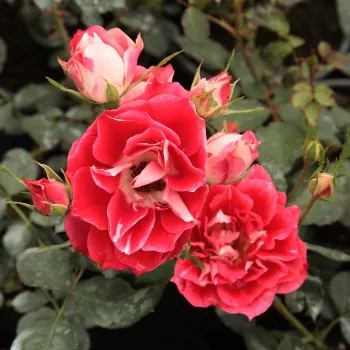
Semi-double, cup-shaped blooms with 13–20 petals opening fairly flat in small clusters; flower size is small, around 0.5–1.5 inches, with reliable remontant behaviour and a plentiful second flush after the main summer display. |
| Colour data and phenology |
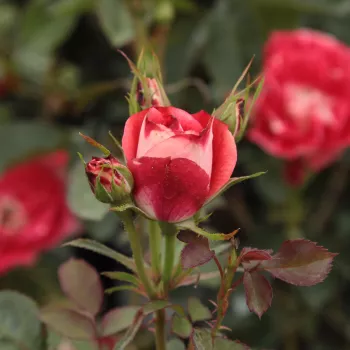
Cherry-red petals with white bases and irregular streaks, coded roughly RHS 53C and 155D; buds are deep red, then flowers fade towards pink and cream while retaining their striping, giving ongoing visual interest as clusters mature. |
| Fragrance and aroma |
Fragrance is mild and subtle, detectable mainly at close range rather than across the garden; the scent does not dominate planting schemes, allowing the cultivar’s distinctive hand-painted colour effect to be the main ornamental focus. |
| Hip characteristics |
Rosehips are produced sparsely, generally small spherical hips around 6–10 mm in diameter, orange-red in colour when they do form, so fruiting effect is limited and does not strongly influence winter ornamental value. |
| Resistance and winter hardiness |
Shows good resistance to powdery mildew, black spot and rust, supporting low-input care. Hardy approximately to −21 to −18 °C (RHS H7; Swedish zone 3; USDA 6b), suitable for most UK garden conditions with normal winter precautions. |
| Horticultural recommendations |
Best in sunny sites with reasonably drained soil; spacing from 35–65 cm depending on use, giving 5.7–6.5 plants per m² in mass plantings. Maintain with regular watering in heat and light annual pruning for shape and flowering. |
PICASSO™ offers compact structure, repeat flowering and dependable disease resistance in an own-root form that settles for the long term; a thoughtful choice if you want colour and character without complex care.