PAPA FRANCESCO – pale pink climbing rose - Ranchon
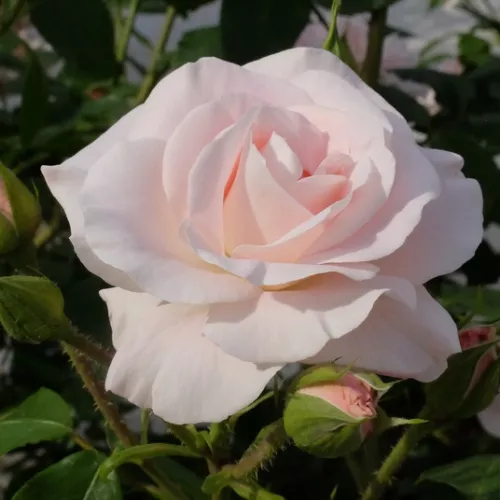
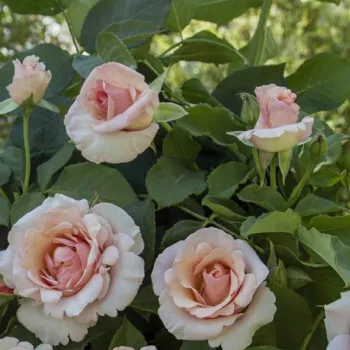
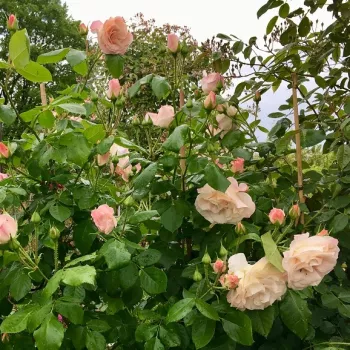
This pale pink climbing rose offers elegant colour, graceful growth and a quietly reassuring presence in family gardens, creating soft vertical structure without demanding expert care. The semi-double flowers keep a pastel clarity as they open, then gently fade, so your arch, fence or wall remains visually neat over a long season. On its own roots it develops into a stable, long-lived climber that regenerates well after pruning or weather damage, supporting a balanced look with near-natural management. Over three seasons it settles in steadily – first strengthening roots, then building shoots, and by the third year giving its full ornamental effect. With light green, glossy foliage and medium disease resilience, it copes reliably in typical British conditions, including areas where winds and rain can test taller roses along exposed boundaries. The moderate final size allows flexible use in smaller gardens, whether as a solo feature or combined with classic climbers and cottage perennials, helping you keep maintenance manageable while still enjoying a recognisably romantic, climbing rose display.
Usage options
| Target area |
Reasoning |
| House wall or sunny fence in a small family garden |
The moderate, climbing habit and recommended spacing make it ideal for clothing a house wall or boundary without overpowering a modest plot. Semi-double, pastel blooms keep the effect light rather than solid, so façades still feel open and bright – reassuring for beginners who want a forgiving, elegant climber suitable for busy homeowners |
| Rose arch or pergola near the front path |
Papa Francesco forms long, trainable canes that can be guided over arches, giving a soft, welcoming tunnel of pale pink flowers through the season. Its neutral, clean fragrance suits high-traffic entrances, and own-root resilience helps it recover well from occasional pruning mistakes – ideal for front-garden enthusiasts |
| Mixed cottage-style border with perennials |
The balanced, moderately dense foliage and gentle colour work well with cottage perennials such as Brunnera or clematis, without dominating the planting. Medium disease resistance and near-natural management potential mean you can keep interventions light, supporting those who prefer relaxed upkeep – perfect for cottage-style gardeners |
| Screening an overlooked seating area |
With a height up to around 3,8 m and a spread up to 2,6 m, this climber offers soft screening that feels airy rather than solid. Its pastel pinks and light green leaves are visually calming, while the own-root habit underpins a long-lived, dependable barrier that can be pruned flexibly – reassuring for privacy-seeking families |
| Informal boundary with shrubs and small trees |
Medium disease resistance and a capacity for near-natural management allow it to blend into looser, shrub-based boundaries with dogwoods or similar companions. It can be tied into existing structures or allowed to weave lightly through, supporting a stable ornamental effect over many years even where exposure brings frequent wind and rain – appealing to low-maintenance planners |
| Small group of 2–3 climbers for a feature wall |
Planting at the recommended distances allows a group of plants to knit together into a continuous curtain of soft colour, while still giving each root system space to develop. Own-root vigour provides good regeneration, so the wall keeps its character even after occasional hard pruning, suiting design-conscious beginners |
| Large container on a terrace with a support |
When planted in a substantial container of at least 40–50 litres with a trellis or obelisk, it delivers climbing rose charm where ground planting is limited. The moderate maintenance requirement fits urban lifestyles, and own-root structure supports longer container life if moisture and feeding are consistent, making it attractive for balcony and terrace owners |
| Informal, family-friendly play garden edge |
Moderately thorny canes and a tidy, trainable habit let you keep growth securely tied back along fences, defining the edge of lawns or play spaces without intrusive pruning routines. Recurrent flowering adds gentle colour through summer while keeping upkeep simple, well suited to time-poor parents |
Styling ideas
- Soft-entrance arch – Train over a narrow arch with Clematis ‘Amber’ for layered, pastel blooms above a simple gravel or brick path – ideal for front-garden owners who want romance without high maintenance.
- Calm-courtyard wall – Plant against a warm, pale-rendered wall with low lavender and thyme at the base, keeping pruning light for a relaxed, Mediterranean feel – good for busy homeowners seeking easy structure.
- Cottage-mix boundary – Let canes weave through Cornus alba ‘Spaethii’ and other shrubs for soft, vertical accents that mature steadily over the years – suited to those who like near-natural, long-lived plantings.
- Family-garden screen – Use as a loose screen behind a seating area, underplanted with Brunnera and spring bulbs to keep colour low while the climber builds height – perfect for families wanting privacy with gentle upkeep.
- Terrace feature pot – In a 50-litre container with an obelisk, combine with trailing herbs or annuals at the base for a compact vertical focal point – ideal for urban gardeners who need reliable interest in limited space.
Technical cultivar profile
| Parameter |
Data |
| Name and registration |
Commercially known as PAPA FRANCESCO – pale pink climbing rose - Ranchon, a climbing rose cultivar from the Climbing rose collection; registered cultivar name not specified in current data. |
| Origin and breeding |
Bred by Jacques Ranchon at Pépinières Paul Croix, France, from a ‘Sourire d’Orchidée’ seedling; introduced and registered in 2016, distributed initially by Pépinières Paul Croix. |
| Growth and structural characteristics |
Climbing rose with 240–380 cm height and 150–260 cm spread, moderately thorny, with moderately dense, glossy light green foliage; suited to training on supports, arches, walls or strong fences. |
| Flower morphology |
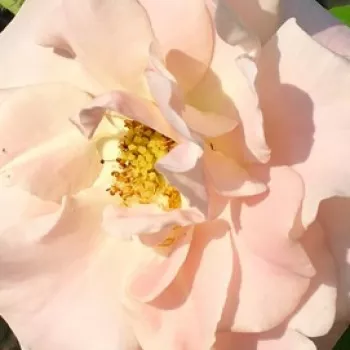
Semi-double, cup-shaped, cluster-flowering blooms with 13–25 petals and medium size; remontant with particularly abundant second flush, offering repeated decorative value across the main season. |
| Colour data and phenology |
Soft pastel, pale pink flowers (RHS 65C outer, 65D inner) with silky sheen; colour fades gently to a subtle edge tint, giving an even, refined look from bud stage through full bloom to petal drop. |
| Fragrance and aroma |
Fragrance is very weak, with a neutral, clean character; chosen primarily for visual effect and garden structure rather than scent, which suits entrances and seating areas where strong perfume is not desired. |
| Hip characteristics |
Occasional spherical hips, orange-red and about 8–12 mm diameter, may form sparsely due to semi-double flowers; modest ornamental effect, unlikely to dominate the plant’s overall appearance in autumn. |
| Resistance and winter hardiness |
Rated to approximately −21 to −18 °C (USDA 6b, RHS H7, Swedish zone 3); medium resistance to powdery mildew, black spot and rust, generally reliable with standard preventive care and good air circulation. |
| Horticultural recommendations |
Maintenance is moderate, with occasional pest or disease control; space at 190–300 cm depending on use, allowing 0,3 plants/m² in mass plantings, and provide sturdy supports plus regular tying-in for best effect. |
PAPA FRANCESCO – pale pink climbing rose - Ranchon offers graceful pastel flowering, manageable growth and long-lived own-root reliability for family gardens, making it a thoughtful choice if you seek a gentle, enduring climbing rose.