PANVESON – mauve hybrid tea rose – PANveson
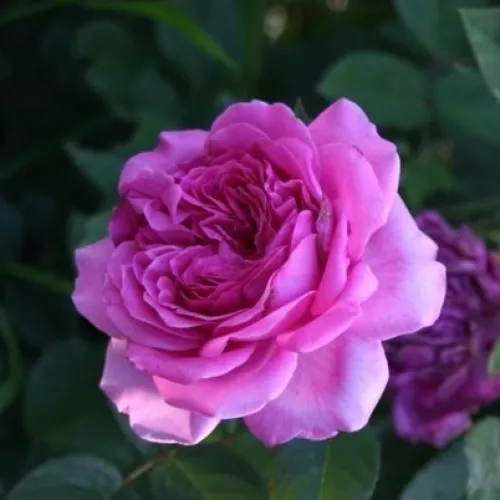
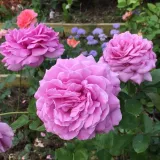
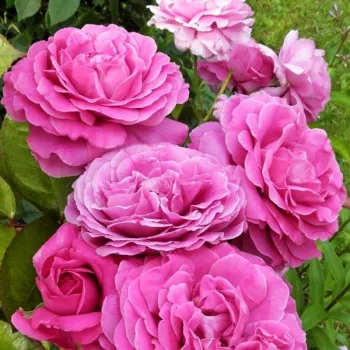
If you are looking for a classic hybrid tea with contemporary elegance, PANVESON brings large, fragrant blooms in a refined silvery-mauve that sits beautifully in cottage-style and front-garden borders. Its upright habit and medium height make it easy to place in smaller beds or as a single, eye-catching specimen near paths, seating areas or bay windows. Perfect for cutting, each long-stemmed flower offers a high-centred exhibition form that opens slowly, giving days of enjoyment in the vase as well as on the bush. As an own-root plant it builds a resilient, long-lived bush that can regenerate well after pruning and winter, anchoring reliably even where strong winds and persistent rain test garden planting. With remontant flowering and strong perfume, you can expect a clear development over time – roots in the first year, more shoots in the second, and full ornamental value from the third season – with a planting experience that suits busy, style-conscious beginners.
Usage options
| Target area |
Reasoning |
| Front garden focal point |
PANVESON’s upright structure and medium height allow you to create a tidy, formal focal point that still feels soft and welcoming. One or three bushes by a path, gate or drive give consistent colour and a classic hybrid tea silhouette that looks composed rather than overpowering in the average British front garden, ideal for the style-focused homeowner. |
| Small mixed border |
The clean, silvery mauve colour blends smoothly with soft blues, whites and dusky pinks in cottage-style planting. Used in small groups of three to five, it adds vertical emphasis without dominating, so beds remain easy to read and maintain. The compact spread fits narrow strips around patios and townhouses, suiting the busy urban gardener. |
| Cutting and exhibition rows |
High-centred, pointed buds on straight, manageable stems make PANVESON well suited to a small home cutting row for vases or local shows. Repeat flowering ensures regular stems through summer, and the strong fragrance means each cut bloom works hard indoors. This is an attractive choice for those who enjoy arranging flowers yet need uncomplicated plants, including the enthusiastic beginner. |
| Specimen rose near seating areas |
Placed by a bench, terrace or favourite garden chair, the strong, fresh, citrusy floral scent can be appreciated at close quarters. The defined bush shape is easy to keep within bounds, and its remontant habit means the display renews itself through the season. This suits those who value sensory experiences outdoors but prefer not to manage complex planting, such as the time-pressed city-dweller. |
| Small rose bed with simple structure |
In a dedicated rose bed, PANVESON can be planted on a 60 cm grid for a regular, structured layout that is easy to weed and water. Own-root growth gives a stable stand over the years, so the overall look matures rather than thinning out. This supports gardeners who prefer clear, straightforward layouts over intricate designs, especially the practical householder. |
| Part-shade side garden |
Its suitability for partial shade means PANVESON can brighten side passages or north-east facing strips that receive sun for only part of the day. The luminous mauve tones stay visually present even in softer light, helping these spaces feel cared-for without requiring intensive design work, which benefits the convenience-seeking gardener. |
| Wind-exposed or rain-swept plots |
As an own-root shrub, PANVESON develops a dependable anchoring system and balanced bush, making it a reassuring choice where strong winds and frequent rain can disturb less-stable plantings. Over time the structure becomes more resilient to weather and pruning, supporting those gardening in open or coastal-feeling settings, particularly the cautious beginner. |
| Large container on patio or balcony |
Grown in a substantial container of at least 40–50 litres, PANVESON provides a classic rose presence on patios or balconies where borders are limited. The upright habit suits pots, while own-root growth supports long-term use with periodic repotting and feeding. This is especially useful for design-conscious small-space gardeners, including the balcony-owning urbanite. |
Styling ideas
- Cottage-tier – Underplant PANVESON with airy pink gypsophila and low catmint to create a soft, layered cottage look – ideal for front-garden romantics who prefer gentle structure over strict formality.
- Contrast-frame – Pair with dwarf mountain pine and clipped evergreen balls to frame the mauve blooms with dark green structure – suited to homeowners wanting a smart yet low-fuss entrance border.
- Summer-drift – Combine three PANVESON with Liatris spicata ‘Kobold’ and ornamental grasses for a relaxed drift of mauve and purple – perfect for those seeking an informal, modern take on classic colour harmonies.
- Vase-line – Plant a short, straight row near the back door for easy access to stems for cutting – appealing to busy gardeners who like fresh flowers indoors without the need for a large cutting garden.
- Pastel-pocket – Fit two or three plants into a small bed with white geraniums and pale violas for a refined pastel corner – a good choice for compact town gardens aiming for maximum effect from minimal planting.
Technical cultivar profile
| Characteristic |
Data |
| Name and registration |
Hybrid tea rose PANveson, registered as PANveson and marketed as PANVESON – mauve hybrid tea rose – PANveson; ARS exhibition name Sourire de Perigueux, Hybrid Tea commercial group. |
| Origin and breeding |
Bred by Bernard Panozzo in France and introduced in 2007 by Star de Doué; hybrid tea type with unknown parentage, selected primarily for flower form and colour. |
| Growth and structural characteristics |
Medium-height upright bush, around 80–120 cm tall and 50–70 cm wide, with moderately dense, dark green, slightly glossy foliage and a moderately thorny framework. |
| Flower morphology |
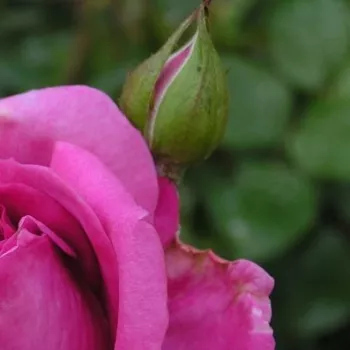
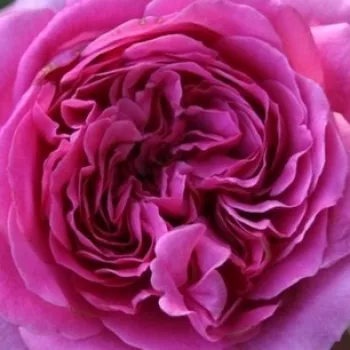
Large, double, high-centred hybrid tea blooms with 26–39 petals, mostly solitary on stems; classic pointed buds and good exhibition form, repeating with abundant second flushes. |
| Colour data and phenology |
Mauve blooms with silvery, veiled lilac tones; deep bluish-mauve in bud, softening through greyish lavender to pastel mauve with a delicate silky sheen as the flowers age. |
| Fragrance and aroma |
Notable strong, long-lasting scent with a fresh, citrusy floral character; best appreciated at close range near paths, seating areas, doors or when used as a cut flower indoors. |
| Hip characteristics |
Rose hips form sparsely due to the fully double flowers; when present they are small, red, ellipsoidal, about 10–14 mm in diameter, with limited ornamental impact. |
| Resistance and winter hardiness |
Hardy to approximately −21 to −18 °C (RHS H7, Swedish Zone 3, USDA 6b); disease resistance is modest, so regular monitoring and plant protection are advisable. |
| Horticultural recommendations |
Best in beds, edging, specimen and cutting use at 50–90 cm spacing; prefers sunny to partial shade sites with well-prepared soil and consistent care to offset lower disease resistance. |
PANVESON offers elegant mauve exhibition blooms, strong fragrance and a compact, upright habit on a durable own-root framework, making it a considered choice if you would like a distinctive hybrid tea for a long-term garden feature.