PANOLDAP – pink hybrid tea rose – Panozzo
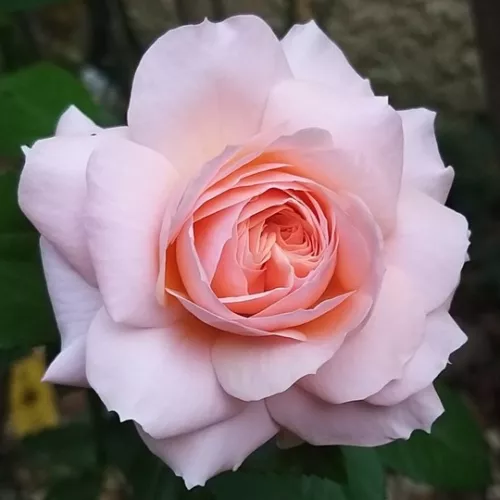
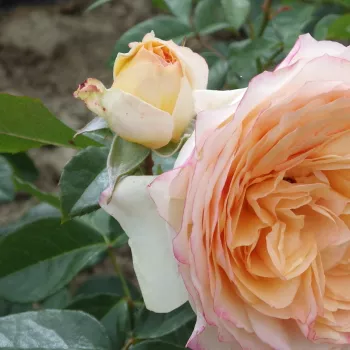
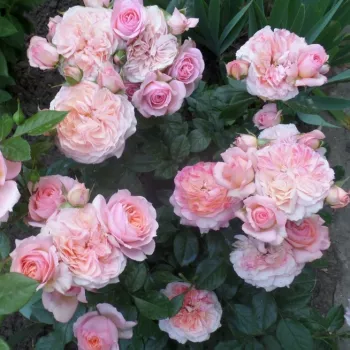
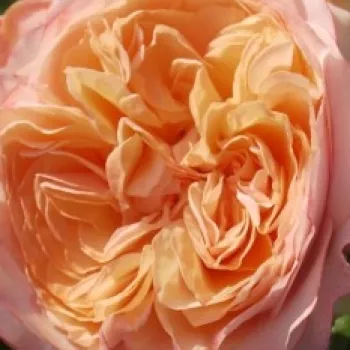
This hybrid tea has been selected for gardens where colour and form matter as much as reliable flowering, offering elegant, long-stemmed blooms for cutting and display. Its upright habit and dense, dark green foliage give a tidy, structured look that suits small beds, front gardens and mixed cottage-style borders around the house. The large, double, rosette flowers shift gently from apricot–coral to powder-pink and cream, creating a refined, romantic effect that pairs beautifully with soft perennials and ornamental grasses. Strong, spicy fragrance carries on still evenings, bringing traditional rose character right up to the front door or terrace. As an own-root plant it settles in steadily, forming its long-term shrub shape and anchoring well even where autumn winds and wet weather can challenge taller roses. In the first season the focus is on rooting, in the second you see more framework shoots, and by the third year the plant shows its full ornamental value and cutting potential for everyday home bouquets.
Usage options
| Target area | Reasoning |
|---|
| Front garden focal point |
The upright, compact bush with glossy dark foliage and large rosette blooms creates a clear focal point by a gate, path or bay window, giving classic hybrid tea presence without taking excessive space – particularly suitable for the style-conscious beginner. |
| Cutting bed for home bouquets |
Long, straight stems with solitary, well-formed flowers are ideal for vases, while the strong spicy scent fills rooms with traditional rose aroma, allowing you to harvest armfuls of blooms through the season – attractive for the home-flower-loving gardener. |
| Small rose and perennial border |
Its soft peach-pink to cream colour range blends easily with cottage perennials such as salvias, nepetas or hardy geraniums, so you can create harmonious, informal borders without complex colour planning – reassuring for the time-pressed owner. |
| Partially shaded side garden |
This cultivar tolerates partial shade, so it can flower reliably along east- or west-facing walls where full sun is not available, extending rose use into side paths and narrow plots – encouraging for space-limited urban gardeners. |
| Own-root long-term planting |
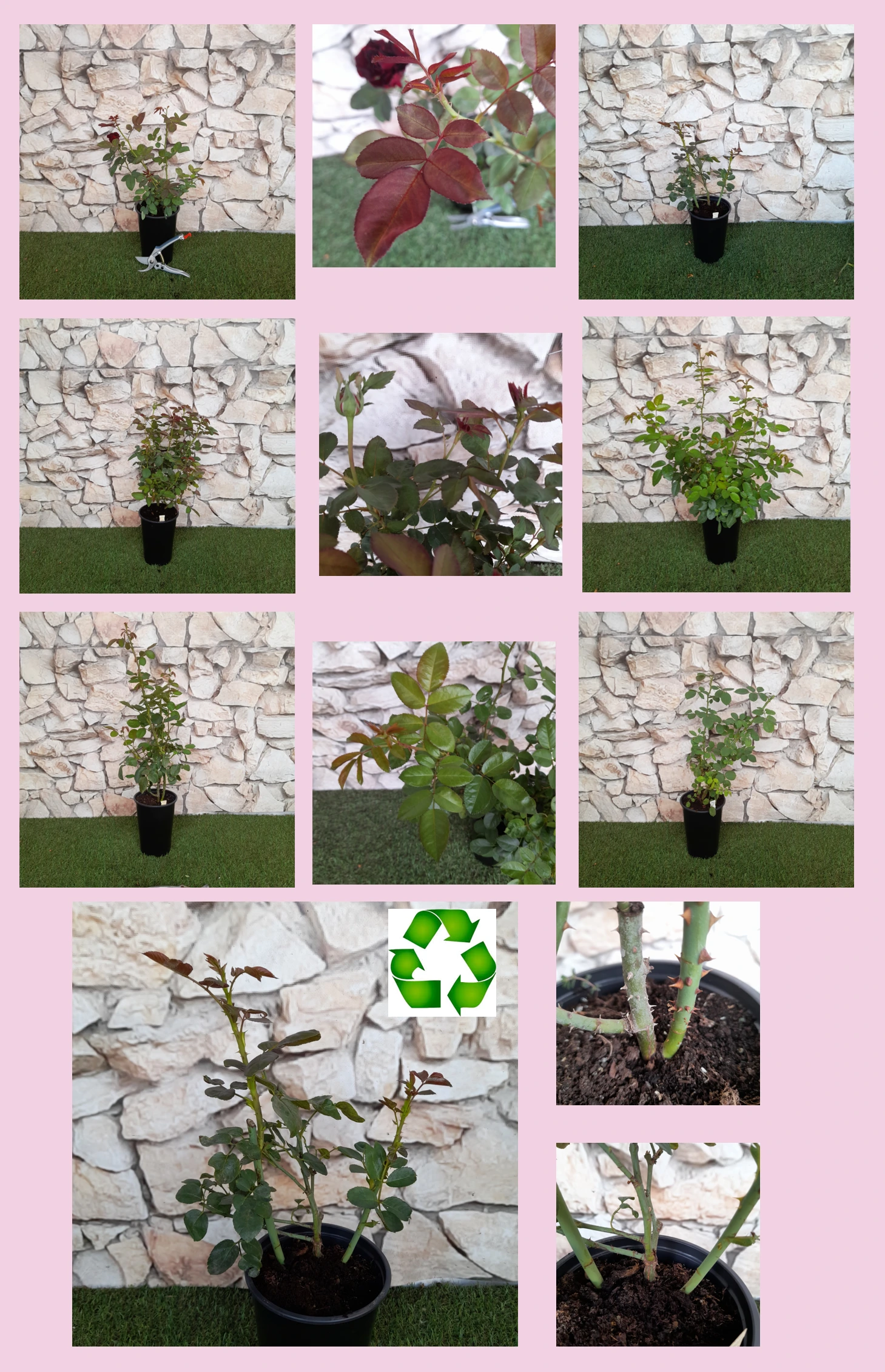
Delivered as a well-rooted, own-root plant in a 2-litre pot, it gradually forms its permanent bush from its own shoots, supporting regeneration after pruning and promising a stable, long-lived display – reassuring for long-term-minded buyers. |
| Container on patio or terrace |
When given a generous pot of at least 40–50 litres with good drainage, its upright habit and repeat flowering provide an elegant vertical accent near seating areas, combining visual impact with easy access for deadheading – practical for patio-focused households. |
| Structured planting in formal beds |
The dense foliage and regular, upright growth let you plant it on a grid or low hedge line for a coherent, formal look, while consistent flower form keeps the bed visually tidy – appealing to lovers of ordered garden design. |
| Weather-exposed family garden borders |
Its strong root system on its own roots helps the shrub anchor and balance itself over time, supporting stable growth even in breezier, wetter family gardens where roses may otherwise rock or lean – a comfort for coastal or exposed-site owners. |
Styling ideas
- COTTAGE RIBBON – weave PANOLDAP through a narrow border with catmint, lady’s mantle and hardy geranium for soft, billowing texture and romantic, spice-scented blooms – ideal for relaxed cottage-garden fans
- FORMAL PAIRING – flank a front path with mirrored groups of PANOLDAP and low box or yew edging, using its upright habit and refined flowers for a classic, orderly welcome – suited to lovers of structured entrances
- PATIO SHOWCASE – plant one shrub in a 50-litre terracotta pot with trailing thyme at the rim, placing it beside outdoor seating so the strong fragrance and elegant blooms can be enjoyed up close – perfect for terrace entertainers
- CUTTING CORNER – dedicate a small, sunny corner bed to 3–5 plants, interplanted with seasonal annuals, to ensure a steady supply of long-stemmed, pastel roses for indoor arrangements – great for home floristry enthusiasts
- GENTLE SCREEN – line a low fence or boundary with evenly spaced plants, letting their dense foliage and upright growth create a soft visual screen punctuated by pastel flowers – appealing to privacy-seeking families
Technical cultivar profile
| Parameter | Data |
|---|
| Name and registration |
Hybrid tea rose; registered as PANaldap, marketed as PANOLDAP – pink hybrid tea rose – Panozzo; exhibition-type hybrid tea suitable for cutting and garden display. |
| Origin and breeding |
Bred by Bernard Panozzo in France and introduced in 2011 by Pétales de Roses; parentage data are unavailable, but the cultivar reflects classic exhibition hybrid tea selection goals. |
| Growth and structural characteristics |
Upright, medium-height shrub reaching about 80–110 cm tall and 60–85 cm wide, with dense, dark green, glossy foliage and moderate thorns, forming a well-filled, vertical garden presence. |
| Flower morphology |
Large, double, rosette-shaped blooms with approximately 26–39 petals on mainly solitary stems; remontant flowering with a generous second flush, suitable for cutting and formal displays. |
| Colour data and phenology |
Soft peach-pink through powder-pink and cream, ARS DP, RHS 53A–53B; buds show peach–salmon undertones, maturing to pastel tones that fade gently without harsh discolouration in the garden. |
| Fragrance and aroma |
Pronounced, strong fragrance with a spicy character, discernible from a distance on still days; offers traditional perfumed rose notes suitable for close planting near paths, doors and seating. |
| Hip characteristics |
Produces moderate numbers of small, orange-red ellipsoidal hips about 8–12 mm across, adding a subtle seasonal accent in late season where spent blooms are not all removed for cutting. |
| Resistance and winter hardiness |
Fully hardy to approximately −26 to −23 °C (RHS H7, USDA 5b, Swedish zone 4); however, it is very susceptible to black spot, powdery mildew and rust, requiring regular preventive plant protection. |
| Horticultural recommendations |
Prefers fertile, well-drained soil with good feeding and watering; spacing 40–75 cm depending on use; performs in sun or partial shade but needs consistent fungicide care for healthy foliage. |
PANOLDAP offers fragrant, pastel hybrid tea blooms on a tidy upright shrub, giving elegant cut flowers and long-term structure from its own-root form; consider it if you enjoy classic roses and are ready to support them with regular care.