PANNONHALMA – cherry-red hybrid tea rose – Márk
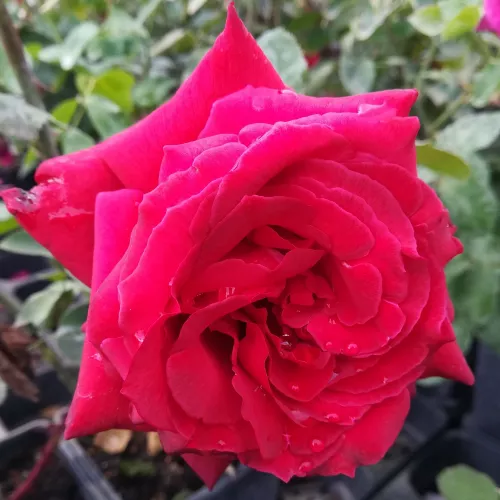
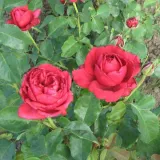
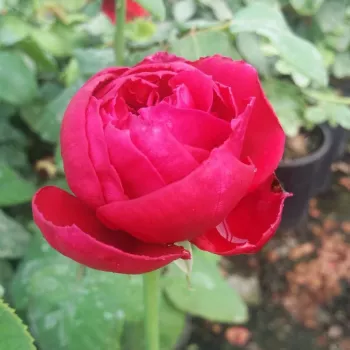
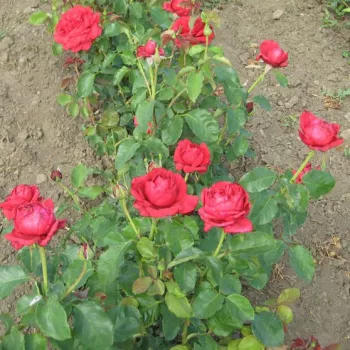
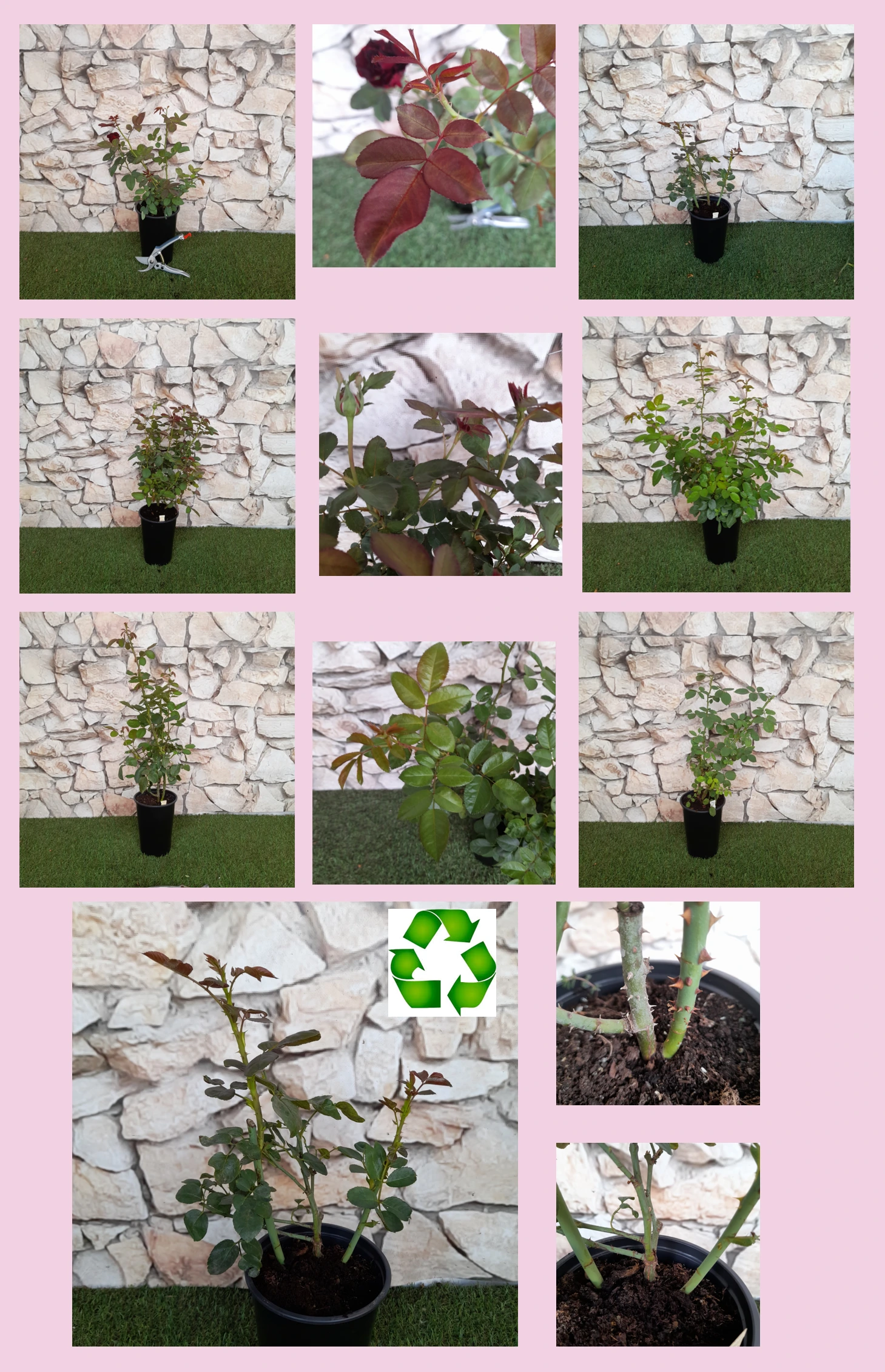
This cherry-red hybrid tea has been selected for reliability and ease, giving you classic, exhibition-style blooms without complicated rose care. Its upright, tidy growth and medium height suit modest front gardens where space is precious, while the very full, cupped flowers deliver real impact both in the border and in a vase. Repeat flowering across the season means a steady display of deep cherry-red, only slowly softening to wine-red, so beds never look tired. On its own roots it forms a durable shrub that can regenerate from the base and maintain stable flowering for many years, supporting a natural “year one roots, year two shoots, year three full display” development arc. Strong disease resistance keeps foliage healthy even in damp seasons and breezy sites where good air movement helps in our humid, fungus-prone climate, so you can enjoy colour and structure with fewer sprays. Ideal for low-fuss gardeners who still want fragrant, cuttable roses that feel truly special.
Usage options
| Target area |
Reasoning |
| Front garden focal rose |
The upright, moderately compact habit and showy cherry-red blooms create a clear focal point without overwhelming a small front garden. Its neat structure is easy to integrate beside a path or bay window, helping those who want a smart look with minimal effort, especially beginners. |
| Classic rose-and-perennial border |
Repeat-flowering, long-stemmed blooms work beautifully among cottage favourites like bearded iris, honesty and feverfew, adding depth of colour through much of the season. Consistent rebloom reduces gaps, suiting gardeners who like traditional mixed borders but prefer straightforward care, particularly homeowners. |
| Cutting patch or cutting row |
Large, full, solitary flowers on straight stems lend themselves naturally to home cutting for vases and occasional exhibition use. Plant in a short row for easy access, and you gain reliable, scented stems without needing a specialist cutting garden, ideal for enthusiastic but time-poor flower-lovers. |
| Small group planting in beds |
Plant 3–5 shrubs at the recommended spacing to build a rounded, coherent mass of colour in a modest bed. The own-root character helps them knit into a uniform stand over time, giving a calm, organised look valued by those who like order in a family garden, especially planners. |
| Feature rose near seating or terrace |
The medium, classic rose fragrance and prolonged blooming make it ideal beside a bench, patio or favourite garden chair. Place it where you pass often and you gain regular scent and colour from a single, easy-care plant, suiting people who like to enjoy their garden at close quarters, notably relaxers. |
| Structured low rose hedge |
Regular spacing at about 40 cm allows Pannonhalma to form a low, formal edging with strong vertical lines and repeated cherry-red accents. Good disease resistance means tidy foliage through typical damp, breezy British spells, helpful for households wanting definition along drives or paths, particularly families. |
| Own-root long-term rose bed |
As an own-root hybrid tea, the bushes rebuild from their own base after pruning or weather damage, avoiding issues with suckers and ensuring a stable look year after year. This makes it well suited to long-lived rose beds for gardeners thinking ahead about durability and reduced replacement costs, especially budget-conscious. |
| Large container near the house |
In a 40–50 litre or larger container with good drainage, its upright habit and repeat flowering give months of colour close to doorways or on a sunny patio. Container culture lets you fine-tune soil and watering, useful where ground conditions are challenging, which suits many small-plot and urban gardeners. |
Styling ideas
- Cottage Trio – Combine Pannonhalma with honesty and feverfew for a soft, self-seeding cottage mix where its reliable cherry-red anchors the looser whites and mauves – for relaxed, tradition-minded gardeners.
- Formal Edge – Plant a straight line at hedge spacing along a drive or front path; repeat flowering and upright structure keep the outline crisp – for those who like a tidy, architectural look.
- Terrace Feature – Grow one plant in a 50-litre terracotta pot by the seating area so you can enjoy fragrance and colour at eye level – for balcony and patio-focused homeowners.
- Cutting Corner – Dedicate a sunny corner bed to 3–5 plants in a grid, giving an easy-to-manage source of long-stemmed, classic red blooms – for home florists and casual exhibitors.
- Monochrome Drama – Pair with deep burgundy perennials and dark-leaved foliage plants to echo the wine-red ageing tones of the blooms – for design-conscious gardeners who enjoy bold colour themes.
Technical cultivar profile
| Parameter |
Data |
| Name and registration |
Pannonhalma hybrid tea rose, trade name PANNONHALMA – cherry-red tea-hybrid rose – Márk; American Rose Society approved exhibition name Pannonhalma; collection and commercial group: hybrid tea. |
| Origin and breeding |
Bred in Hungary by Márk Gergely, breeding year 1991; introduced by PharmaRosa® Ltd. as an own-root garden rose; exact parentage and formal registration data are not documented. |
| Growth and structural characteristics |
Medium-height, erect bush reaching about 80–110 cm tall and 60–80 cm wide, with moderately dense, mid-green, slightly glossy foliage and moderate prickliness, forming a tidy, upright shrub. |
| Flower morphology |
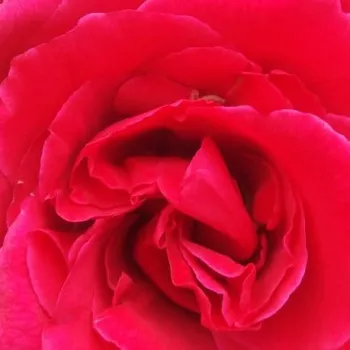
Hybrid tea type with solitary, large, cupped blooms, typically 2.75–3.95 inches across; very full flowers with more than 40 petals; repeat-flowering with a notably abundant second flush. |
| Colour data and phenology |
Deep cherry-red with slightly velvety texture; buds dark burgundy; newly opened flowers intense cherry-red; colour fades only moderately, maturing through deep red to a muted wine-red before withering. |
| Fragrance and aroma |
Medium-strength, long-lasting fragrance with a classic, full rose character; best appreciated when blooms are half- to fully open; selected primarily as an ornamental and cutting rose rather than for perfume use. |
| Hip characteristics |
Occasional ellipsoidal hips, about 10–14 mm in diameter, orange-red when ripe; produced sporadically and generally not a dominant ornamental feature compared with the flowers. |
| Resistance and winter hardiness |
Rated H4, suitable for much of the UK; hardy to around –9 to –7 °C (USDA 8b, Swedish zone 1). Demonstrates good resistance to powdery mildew, black spot and rust under normal garden conditions. |
| Horticultural recommendations |
Best in full sun with fertile, well-drained soil; ideal spacing 40–80 cm depending on use. Low maintenance needs; responds well to standard hybrid-tea pruning and benefits from regular feeding and watering. |
Pannonhalma offers reliable repeat flowering, classic fragrant blooms and long-lived own-root resilience, making it a thoughtful choice if you would like a strong yet undemanding red rose in your garden.