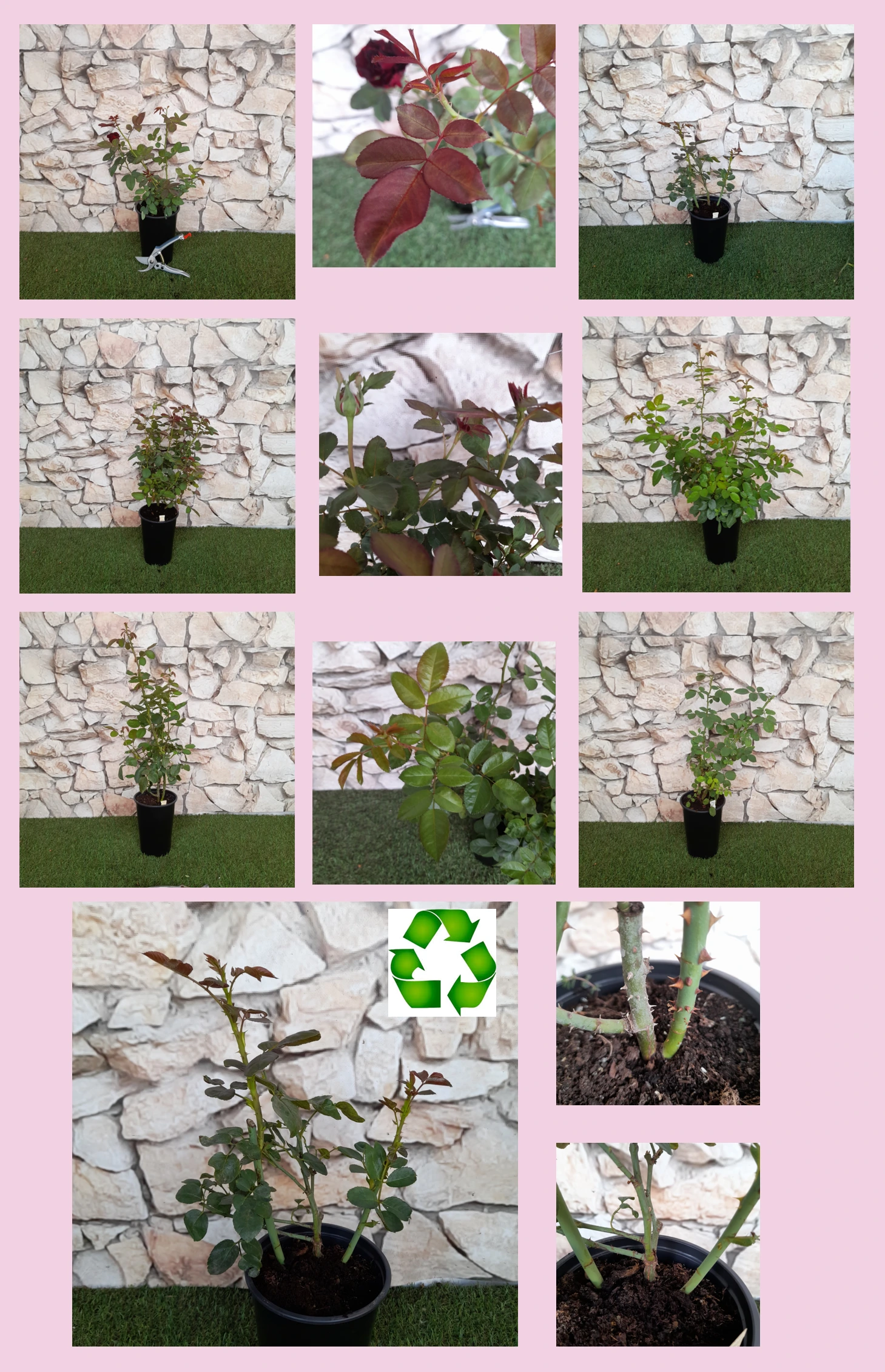
ORIGAMI ® – cream-red bedding floribunda rose – Meilland Richardier
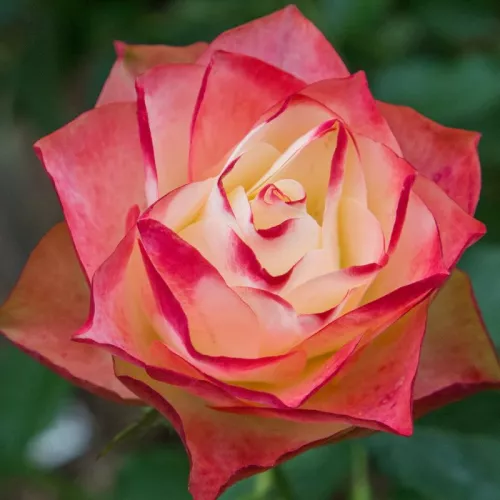
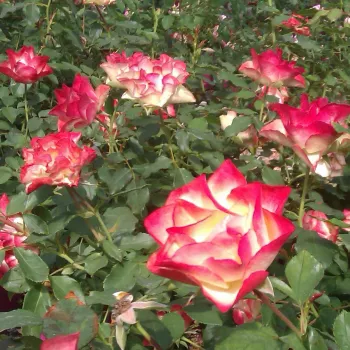
The distinctive Origami effect of this floribunda’s star-shaped blooms makes it an eye-catching focal point for small British gardens, with neatly clustered flowers that repeat throughout the season. Its compact, bushy habit fits easily into front gardens, cottage-style borders and around-the-house beds, where the bi-coloured cream and red petals bring structure and interest even in tight spaces. Once established, the variety shows reliable heat and moderate drought tolerance, helping it cope in sunny, more exposed gardens with improved drainage on heavy clay sites. As an own-root rose, it is a long-term investment for your planting scheme, forming a stable bush that regenerates well after pruning. In larger containers of 40–50 litres or more it offers versatile terrace or balcony colour, with tidy proportions that suit urban plots. Over time it settles into your garden picture, bringing dependable structure and design value as the plant matures.
Usage options
| Target area |
Reasoning |
| Front garden bed by the path |
The compact, bushy habit keeps a low, tidy profile along paths and driveways, while the striking cream and red star-shaped blooms read clearly from the pavement, giving a designed, “put-together” look without complex layout work – ideal for the beginner. |
| Small mixed cottage border |
Cluster-flowering stems provide plenty of medium-sized blooms that mingle well with perennials and grasses, adding rhythm and repetition through the season so the border looks intentional rather than random, even when planting in ones and twos – reassuring for the hobby-gardener. |
| Formal bedding and geometric layouts |
The regular growth and consistent flower form work well in repeated groups or low bedding schemes, letting you create crisp lines or blocks of colour that echo the rose’s angular “origami” look, supporting classic front-garden formality for the design-conscious. |
| Patio, balcony or terrace container (40–50 L+) |
In a large pot the moderate height and dense foliage give a well-filled, manageable shrub that doesn’t overpower small spaces, while repeat clusters of bi-coloured flowers extend interest close to seating areas for the urban-owner. |
| Sunny, heat-exposed spots with lighter soil |
Once well rooted, the variety tolerates heat and brief dry spells, so in well-prepared soil with mulching and regular watering it holds its ornamental value during warmer spells, supporting reliable summer colour for the busy-gardener. |
| Decorative feature in small family gardens |
The star-shaped, bicolour blooms bring a “special-occasion” feel to ordinary beds, creating a talking point that children and visitors notice, while the moderate size keeps it practical around play areas and seating for the family. |
| Cut flowers for the home |
Medium, densely double blooms on cluster stems can be cut in small sprays for compact vases or posies, giving you stylish, modern-looking arrangements from a short row of plants without needing a dedicated cutting garden for the homeowner. |
| Raised beds on heavier or wetter soils |
Planting into a raised or well-drained bed helps this floribunda establish a stable root system, supporting long-term health and display where heavier ground might otherwise stay cold and wet in winter – particularly helpful for the front-garden. |
Styling ideas
- Origami-focus – Plant ORIGAMI ® in a tight group of three near the front door so the angular, starry blooms create a sculptural welcome – ideal for design-conscious homeowners.
- Cream-red-border – Combine with soft grasses and white perennials to echo the cream base while letting the red edging stand out – suited to cottage-border enthusiasts.
- Patio-centrepiece – Grow a single plant in a 50–60 litre terracotta pot, underplant with low herbs to frame the bushy silhouette – perfect for balcony and terrace gardeners.
- Graphic-bedding – Use short rows or squares of ORIGAMI ® to outline a front lawn, its regular clusters reinforcing formal geometry – appealing to lovers of structured front gardens.
- Modern-mix – Pair with deep red or burgundy companions to pick up the petal edges, adding white accents for contrast – attractive for those seeking a contemporary cottage look.
Technical cultivar profile
| Parameter |
Data |
| Name and registration |
Floribunda bedding rose from the Classics collection; registered as MEImozahiq, marketed as Origami ® – cream-red bedding floribunda rose – Meilland Richardier; exhibition name Origami. |
| Origin and breeding |
Bred by Michèle Meilland Richardier in France in 1999; introduced by Meilland Richardier in 2015; parentage not disclosed; developed within the Meilland International breeding programme. |
| Awards and recognition |
Gold Medal and Rose Hills Trophy for best floribunda at the Australian National Rose Trial Garden 2010; Silver Medal at the Tokyo International Rose & Gardening Show 2010; additional European recognition. |
| Growth and structural characteristics |
Bushy, compact shrub reaching about 70–90 cm in height and 40–60 cm spread, with dense, slightly glossy dark green foliage and moderate prickliness; suited to beds, borders and larger containers. |
| Flower morphology |
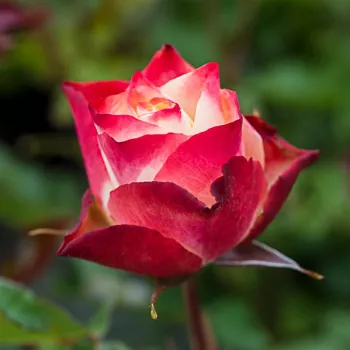
Densely double, medium-sized blooms with over 40 petals, borne in clusters on floribunda-style trusses; cup-shaped to star-shaped form, remontant habit with a reliable second flush in suitable conditions. |
| Colour data and phenology |
Cream-white base with vivid red edging; ARS code rb, RHS 155D and 46A; colours soften as blooms open and fade more in strong sun, with the ground tone shifting from cream to pale white by the end. |
| Fragrance and aroma |
Fragrance is very weak and generally barely noticeable, making it best valued for its unusual bicolour and star-shaped form rather than scent; not intended primarily as a perfumed garden feature. |
| Hip characteristics |
Hip set is usually limited due to densely double blooms, but occasional small spherical orange-red hips 8–12 mm across may form, offering modest late-season detail without dominating the plant’s display. |
| Resistance and winter hardiness |
Fully hardy in most UK gardens (approx. USDA 6b, RHS H7, down to about –21 °C) but very susceptible to black spot, powdery mildew and rust, so regular protective care is strongly recommended. |
| Horticultural recommendations |
Best in sunny, well-drained sites with enriched soil; plant 30–55 cm apart depending on use; suitable for beds, borders, containers, terraces and small gardens; partial shade is tolerated but may reduce flowering. |
ORIGAMI ® – cream-red bedding floribunda rose – Meilland Richardier offers compact structure, striking star-shaped colour, reliable cluster flowering and the regenerative reassurance of an own-root plant; consider it where you want a distinctive long-term feature.