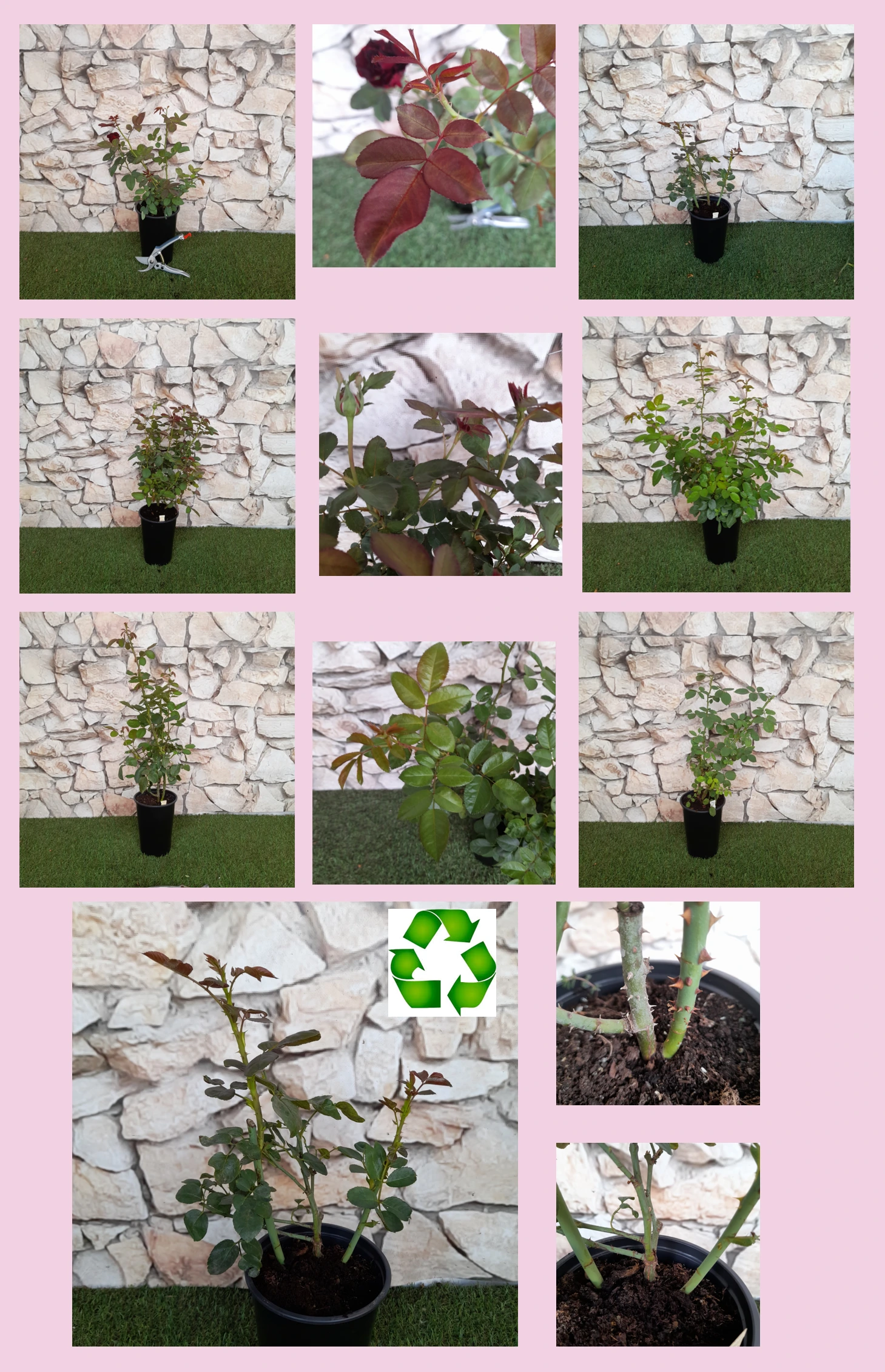
ORCHID MASTERPIECE™ – purple-pink hybrid tea rose – Boerner
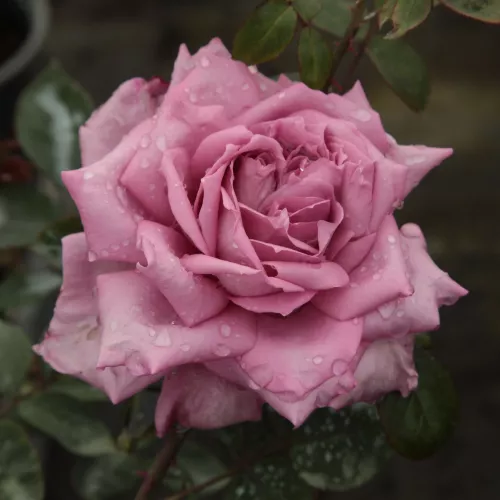
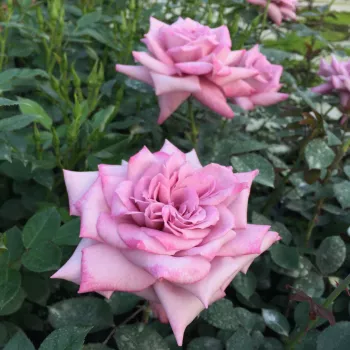
Orchid Masterpiece brings classic hybrid tea elegance to small British gardens with large, cup-shaped blooms in unusual lilac-pink tones that shift gently as they age, creating season-long colour interest in beds and borders. Bred for cut-flower quality, its long, straight stems and full, 40+ petal flowers are ideal for vases, while the medium-height, upright yet slightly spreading bush fits neatly into modest front gardens. As an own-root plant it settles gradually, building a durable root system for a long garden life and dependable performance, even where soil is heavy and needs careful drainage in wet spells and cold winds. The sweet, fruity fragrance rewards you on paths and patios, and with simple pruning and deadheading, you can enjoy reliable repeat flowering from early summer onwards. In the first year it concentrates on roots, the second year on bushy growth, and by the third year it shows its full ornamental potential.
Usage options
| Target area |
Reasoning |
| Feature rose in a small front garden bed |
Its medium height and upright, spreading habit create a tidy, well-structured focal point that does not overpower a modest plot, while the lilac-pink blooms give a refined, “orchid-tinted” accent at the front of the house for visitors and passers-by who appreciate a welcoming garden. |
| Cut-flower and exhibition-style planting |
Large, very full, goblet-shaped blooms on long, straight stems make this variety particularly rewarding for home-grown bouquets and show-style displays, so a short cutting row or dedicated clump lets enthusiasts enjoy reliable stems indoors who enjoy flowers for the house. |
| Classic mixed border with perennials |
Pairing it with plants like coreopsis and echinacea gives season-long contrast: warm yellow and orange companions set off the mauve-lilac tones, while the structured rose form lends backbone among softer perennials for householders wanting balanced planting. |
| Specimen rose near seating and paths |
The sweet, medium-strength fruity scent and repeat-flowering habit make it ideal beside a bench or along a main path, where you pass often enough to enjoy both colour and perfume throughout the season, suiting those who value everyday enjoyment. |
| Small group planting for visual impact |
Planting three to five bushes at the recommended spacing forms a harmonious, medium-height drift of coordinated blooms, giving an elegant, “designed” look without complex planning, which works well for busy gardeners seeking simple structure. |
| Formal front-garden layouts with evergreen shapes |
The slightly glossy dark green foliage sits beautifully against clipped forms such as spherical holly, allowing you to echo traditional British front gardens where clear lines and repeat flowering are key, ideal for homeowners who like neat formality. |
| Long-term rose bed planning |
As an own-root rose, the shrub gradually matures into a stable, balanced plant that copes well with regular pruning and renewal over many years, so it repays an initial planting plan for those thinking about future seasons. |
| Large patio container or courtyard pot |
Its upright habit and moderate spread suit a single specimen in a substantial 40–50 litre container, where good potting mix and drainage help it thrive despite rain and wind exposure, perfect for small-space gardeners seeking patio colour. |
Styling ideas
- Cottage Drift – Plant three bushes in a loose triangle with coreopsis and soft pink campanulas for a relaxed cottage feel – suited to romantically inclined front-garden owners.
- Evergreen Frame – Combine one or two plants with clipped Ilex crenata balls and gravel mulch to highlight the blooms in a structured entrance border – ideal for those who prefer low-clutter, formal planting.
- Pastel Border – Mix with lilac catmint, pale foxgloves and silver foliage to echo the orchid-lilac tones, giving a soft but sophisticated side-border – good for beginners wanting easy harmony of colour.
- Cutting Corner – Reserve a sunny corner bed with three plants in a row, underplanted with low salvias, to provide a reliable source of stems for vases – perfect for home florists and hobby exhibitors.
- Courtyard Focus – Grow a single specimen in a large 50 litre terracotta pot, with trailing thyme at the base, to create a scented focal point beside a bench – ideal for compact patios and urban courtyards.
Technical cultivar profile
| Parameter |
Data |
| Name and registration |
Hybrid tea rose Orchid Masterpiece, commercial type and group hybrid tea; registered cultivar and ARS exhibition name Orchid Masterpiece, current trade name Orchid Masterpiece™ hybrid tea rose. |
| Origin and breeding |
Bred by Eugene S. Boerner for Jackson & Perkins Co., United States, from ‘Golden Masterpiece’ × ‘Grey Pearl’ seedling; introduced around 1960 as a lilac-pink hybrid tea for garden and cutting use. |
| Growth and structural characteristics |
Medium-height bush, about 100–140 cm tall and 60–90 cm wide, upright but slightly spreading; moderately dense, dark green, slightly glossy foliage and moderate prickliness; spent blooms usually need deadheading by hand. |
| Flower morphology |
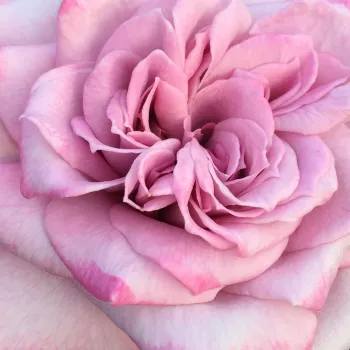
Large, very full, 40+ petal hybrid tea blooms, mostly solitary on stems; elegant cup to goblet form ideal for cutting, with good substance and a classic, formal appearance when viewed in profile or in the vase. |
| Colour data and phenology |
Warm orchid-purple buds open pale orchid-lilac with mauve edges (RHS 76A, 75C), then soften to lilac-pink and finally greyish lilac-pink with a silvery sheen; colour retention moderate, with abundant repeat flowering in summer flushes. |
| Fragrance and aroma |
Medium-strength, sweet, fruity scent typical of quality hybrid teas; noticeable at close quarters along paths or near seating, adding sensory interest without becoming overpowering in smaller gardens or enclosed courtyards. |
| Hip characteristics |
Hips are not a notable ornamental feature on this variety and are seldom used decoratively, as the very full, tightly petalled blooms and routine deadheading for repeat flowering usually prevent significant fruit development. |
| Resistance and winter hardiness |
Moderate disease resistance to powdery mildew, black spot and rust; benefits from basic preventive care in humid seasons. Hardy to about −21 to −18 °C (RHS H7, USDA 6b, Swedish zone 3) with standard winter protection where exposed. |
| Horticultural recommendations |
Best in full sun with well-drained soil; water in dry spells and feed for flowering. Space 45–85 cm depending on use, at about 3.3–3.8 plants/m² for mass planting; deadhead for remontant, abundant second flush and tidy appearance. |
ORCHID MASTERPIECE™ offers elegant lilac-pink blooms, reliable repeat flowering and a long-lived, own-root habit that settles securely into family gardens, making it a considered choice if you would like a refined yet manageable rose.